


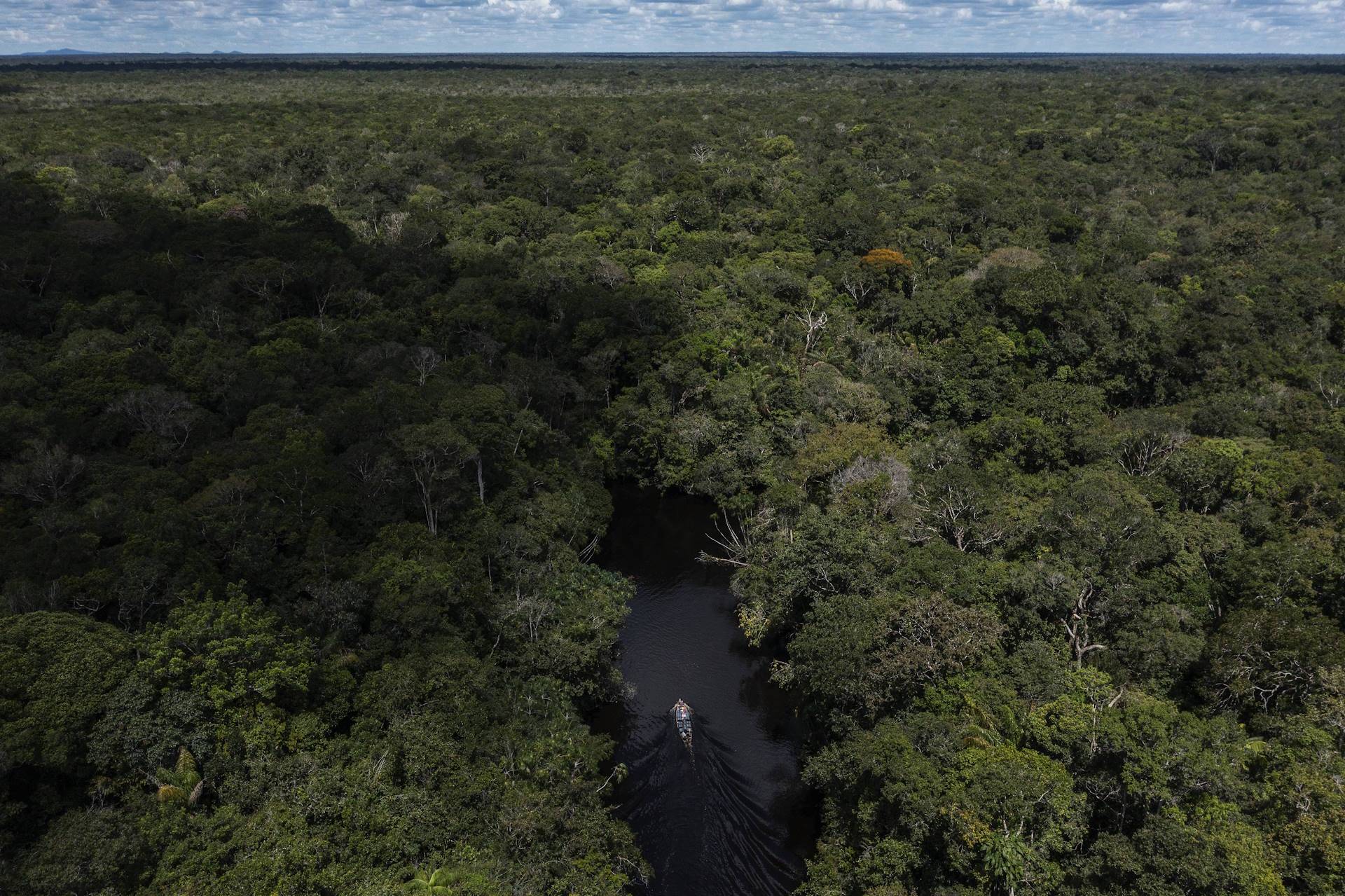
The financial sector occupies a strategic position in the global machinery of environmental preservation, sustainable development, and the response to the climate crisis. Its flows shape production chains, define what is viable and what is risky, and have the power to foster solutions or deepen collapses. That is why the Amazon can no longer be off the radar of those who make decisions about investment, lending, or insurance.
What is at stake goes far beyond deforestation. The Amazon is a planetary force. Its forests store more than 100 billion tons of carbon, equivalent to a decade of global emissions. Its trees are responsible for releasing up to 20 billion liters of water per day into the atmosphere, creating the so-called “flying rivers” that irrigate much of Brazilian agribusiness. Each hole in the Amazon rainforest further damages the sprinkler that sustains national agriculture. Losing the forest means transforming Brazil and the world into something radically different.
The problem is that the Amazon is already changing. The forest is getting warmer. The planet has already exceeded the 1.5°C global warming limit compared to pre-industrial levels, and the Amazon is one of the most vulnerable regions. The productivity of economically valuable crops, such as açaí and cocoa, is already being affected. The financial risks to agriculture, the damage to human health, and the harm to biodiversity are enormous. In August 2024, part of the Madeira River (one of the largest and most important tributaries of the Amazon River, over 3,000 km long) disappeared due to extreme drought. In a risk-conscious market, these signs can no longer be ignored.
Agricultural production needs to adapt to a new reality. In 50 years, Brazil has gone from being a food importer to a food exporter. The revolution in the countryside cost almost 50% of the Cerrado and 20% of the Amazon, but in the face of climate change, this model is no longer sustainable. We need to update our production systems to a new reality. The forest needs to be seen as a production asset. Incorporating the forest and native vegetation into the production system will prevent food inflation in the future.
Deforestation is a decisive variable in this equation. And it is not happening in some distant country: it is happening here, and it is a national responsibility. Although Brazil may emit less carbon than other countries, it is the world leader in tropical forest loss. This weakens the very foundation of the national economy. Productivity could fall significantly. This is a financial risk.
Investing in assets linked to the Amazon without taking these factors into account is reckless. The misuse of public lands, with criminal activities such as land grabbing, remains the main driver of deforestation in the region. The meat, soy, mining, and infrastructure chains often overlap with areas of land conflicts, environmental liabilities, and legal risks. This affects not only the image of companies, but also the soundness of the assets themselves. Investment funds, loans, or insurance products that ignore the land origin of the areas involved, or fail to perform due diligence on socio-environmental risks, run the serious risk of enabling illegal activities, which can become a reputational and financial liability that is difficult to reverse.
Financial transactions that do not take into account the land tenure of the areas involved, the environmental compliance of the projects, or respect for the rights of local populations run the risk of financing production chains marked by illegality or climate damage. Today, the market already incorporates environmental, social, and governance (ESG) criteria into certain decisions. But in the case of the Amazon, this needs to go far beyond self-declared labels and reports. It is necessary to demand complete traceability of production chains, including land origin; assess historical socio-environmental liabilities; consider risks of land conflicts and impacts on indigenous peoples and traditional communities; integrate geospatial information, deforestation data, and public records; promote good practices; and support sustainable production chains.
Finally, we must pay attention to the fact that the Amazon is perhaps our greatest comparative advantage in agricultural production, both now and in the future. About 90% of our crops depend on rainfall, which is closely linked to the integrity of the Amazon. China, which today buys about 30-40% of everything we export, sees Brazil as a strategic partner, as our country has contributed to lifting 800 million Chinese out of hunger. To continue to serve this market, our agriculture needs to be resilient. In other words, conserving and even restoring forests becomes an investment rather than a cost item in the budget.
But the Amazon is not only a risk, it is also an opportunity. There are investment paths with positive externalities. The presence of forests can increase soybean productivity, for example. Agroforestry systems offer greater climate resilience, higher productivity, and greater security for production. There is potential for investments to reduce deforestation in the Amazon with socio-environmental returns: conservation of public forests, combating legal deforestation on private land, technical assistance to small producers, and increased agricultural productivity.
Ultimately, investing correctly in the Amazon is a way to protect the investment itself. Deforestation and the resulting climate change and destruction of biodiversity are now among the greatest financial threats of the 21st century. Capital that remains blind to this scenario will not only lag behind ESG requirements, but will also be exposed to growing and often irreversible risks. What is increasingly needed is a paradigm shift: protecting the forest means protecting capital.
*This opinion piece is the responsibility of its authors and does not necessarily reflect the views of ((o))eco.
This story was originally published in Portuguese. The translation was done with the assistance of Artificial Intelligence, with final review by the journalist Fabiani MatosAmazonian Giant Trees: Between Fascination and Lack of Protection
-

Alexandre Mansur
Diretor de projetos do Mundo Que Queremos →
-

André Guimarães
Diretor Executivo do Instituto de Pesquisa Ambiental da Amazônia (IPAM) →
-

Luciane Moessa
Diretora Executiva e Técnica da Associação Soluções Inclusivas Sustentáveis (SIS) →
Se o que você acabou de ler foi útil para você, considere apoiar
Produzir jornalismo independente exige tempo, investigação e dedicação — e queremos que esse trabalho continue aberto e acessível para todo mundo.
Por isso criamos a Campanha de Membros: uma forma de leitores que acreditam no nosso trabalho ajudarem a sustentá-lo.
Seu apoio financia novas reportagens, fortalece nossa independência e permite que continuemos publicando informação de interesse público.
Escolha abaixo o valor do seu apoio e faça parte dessa iniciativa.
Leia também
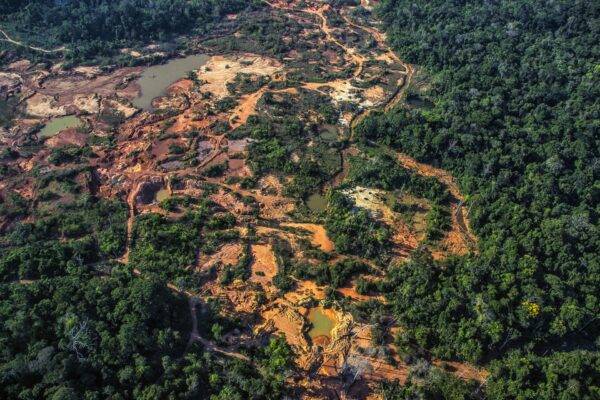
How Gold Mining Threatens the Amazon – In a Way, With the State’s Approval
Extraction deemed “legal” by outdated regulations functions as a driver of socio-environmental destruction just as severe as illegal mining →
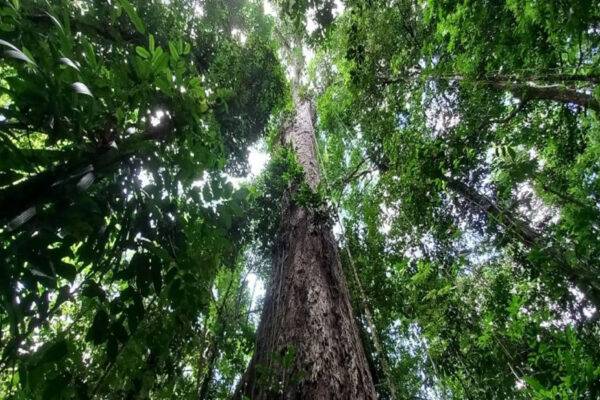
Amazonian Giant Trees: Between Fascination and Lack of Protection
In one of the most threatened and important regions of the Amazon, Brazil risks losing one of the world’s largest trees before even fully knowing it →
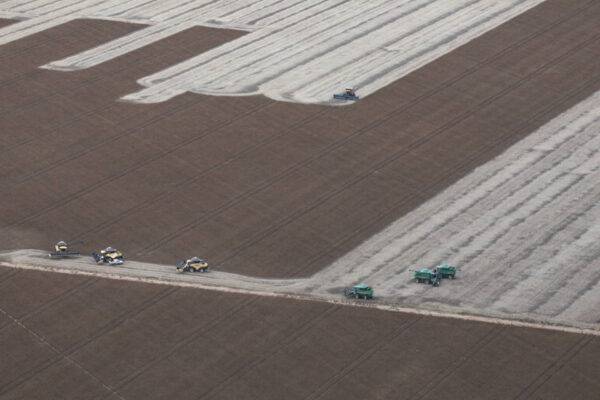
Driven by deforestation and soy farming, the biggest South American savannah is running dry
The Brazil's ‘water tank’ is emptying as native vegetation disappears, monocultures expand, and even wetlands remain unknown or unprotected →