


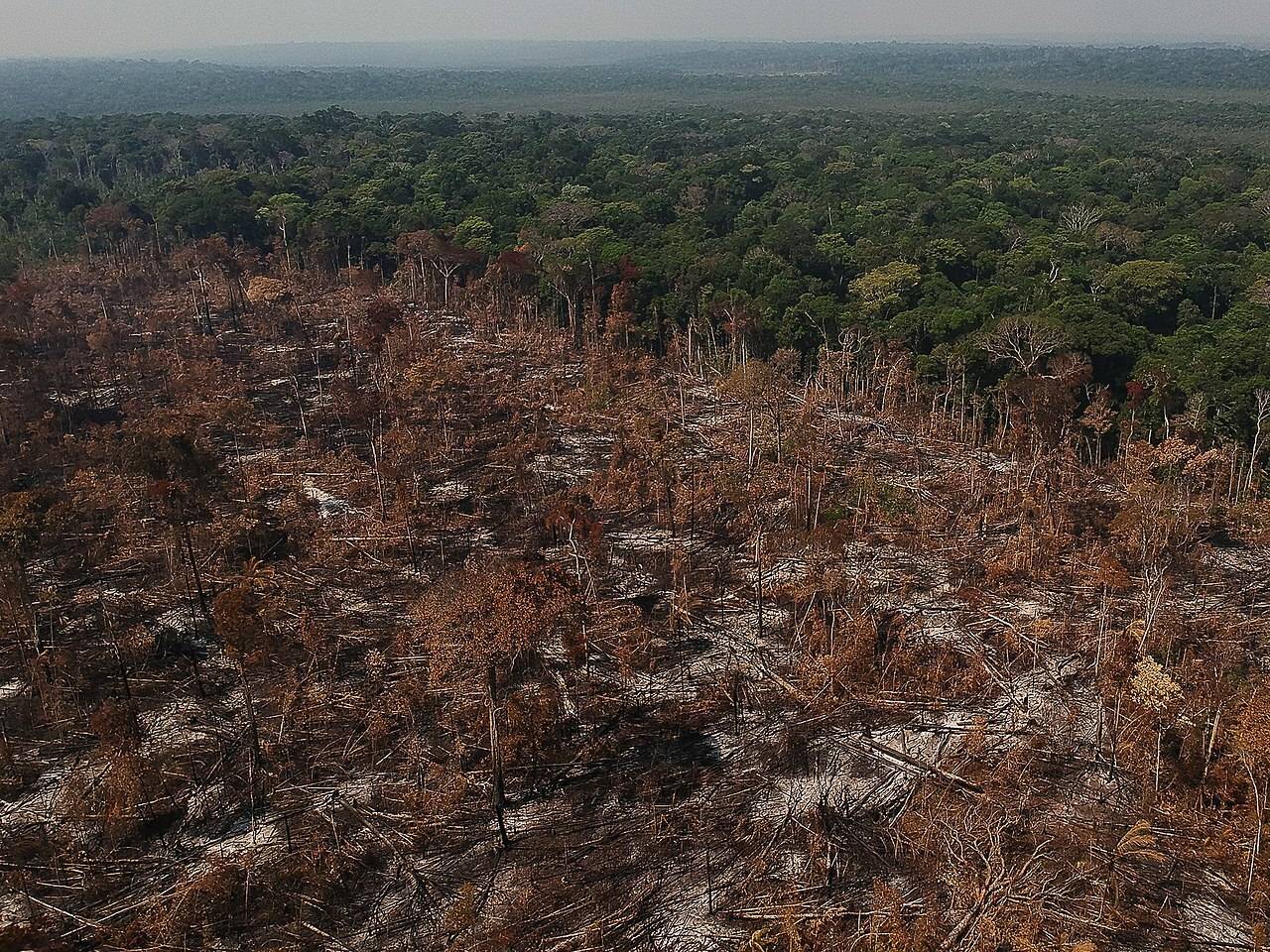
The accelerating climate crisis has made something undeniable, something we ignored for far too long: the forest is the cheapest and most efficient carbon-removal technology ever created. While the world pours billions into artificial capture solutions, the Amazon continues doing this work naturally, at no cost and at massive scale. Even so, the region faces growing pressures, both environmental and social, and Brazil has not yet found a strategy capable of reconciling conservation, development and territorial stability.
It is in this context that a new study from the Amazônia 2030 project introduces an idea that is simple and somewhat obvious yet still innovative: reforesting degraded lands that have already been cleared.
With 85 million hectares deforested over recent decades, many of them abandoned or underused, the Amazon today embodies a paradox that combines environmental destruction with low economic productivity. The study, To Protect the Amazon Forest, We Must Reforest Degraded Areas, argues that the solution does not rely solely on enforcement, essential as it is, but on converting degraded lands into forest-based productive systems such as agroforestry, perennial crops, managed restoration and modern silviculture. Instead of expanding the agricultural frontier, the goal is to expand economic activity within what has already been destroyed.
The proposal shows that the region has 35 million hectares suitable for reforesting without competing with soy or cattle production. In addition, the Amazon already generates 7.2 billion dollars per year in forest-compatible products, yet captures only 3 percent of a global market exceeding 233 billion dollars. This gap illustrates the scale of the opportunity, but also the cost of lacking public policies that place the forest economy at the center of regional development.
The researchers emphasize that the absence of solid economic alternatives leaves much of the population dependent on illegal or low-productivity activities, including land grabbing, predatory extraction and extensive cattle ranching. Without green jobs and structured value chains, conservation remains fragile. It is not enough to protect what is still standing; we must give productive purpose to what has already been cleared. Reforesting, in this sense, is not about returning to the past but about organizing the future.
There are, however, significant obstacles. Land tenure insecurity remains the gThis story was originally published in Portuguese. The translation was done with the assistance of Artificial Intelligence, with final review by the journalist Fabiani Matos
reatest challenge. Without regularizing older properties and effectively protecting public forests, investors and producers continue to face legal uncertainty, making scale impossible. There is also a shortage of appropriate financing for activities that take years to generate returns. Capital exists, but lacks instruments aligned with forest-based production cycles, such as futures contracts, guarantee funds and mechanisms linked to carbon markets. Added to this is the need for technology and training, since a modern forest economy depends on adapted machinery, trained operators and technical assistance capable of guiding the transition.
Even in the face of these challenges, the study offers clear recommendations. It calls for integrating environmental conservation with public security, because recent experience shows that strong environmental policies reduce conflicts, weaken illegal markets and enhance the State’s presence in vulnerable regions. It stresses the need to prioritize critical territories where degradation and violence overlap, and where coordinated action among environmental agencies, security forces and local governments can generate faster results. Strengthening enforcement bodies with teams, technology and stable funding is equally essential. Finally, the study underscores the importance of developing financial instruments and capacity-building programs that allow reforesting degraded lands to become economically viable for local producers.
If we want to protect the Amazon and confront the climate crisis, preserving what remains of the forest is not enough. We must look at what has already been lost and transform it into a productive base capable of generating income, jobs and territorial stability. Reforesting is not just an economic alternative; it is an environmental, climate and social strategy. At a moment when the world seeks urgent solutions with immediate impact, few policies offer so much return for such low cost.
The Amazon will be decisive for the future of Brazil and of the planet. But for that to happen, we need policies that recognize the forest as essential infrastructure and view degraded areas as part of the solution, not as wasted land. Reforesting what has been cleared is rebuilding possibilities. Above all, it is creating the conditions necessary for the standing forest to remain standing.
*This opinion piece is the responsibility of its authors and does not necessarily reflect the views of ((o))eco
This story was originally published in Portuguese. The translation was done with the assistance of Artificial Intelligence, with final review by the journalist Fabiani Matos
-

Alexandre Mansur
Diretor de projetos do Mundo Que Queremos →
-

Gustavo Nascimento
Preto, faixa preta, jornalista e coordenador de projetos em O Mundo que Queremos →
Se o que você acabou de ler foi útil para você, considere apoiar
Produzir jornalismo independente exige tempo, investigação e dedicação — e queremos que esse trabalho continue aberto e acessível para todo mundo.
Por isso criamos a Campanha de Membros: uma forma de leitores que acreditam no nosso trabalho ajudarem a sustentá-lo.
Seu apoio financia novas reportagens, fortalece nossa independência e permite que continuemos publicando informação de interesse público.
Escolha abaixo o valor do seu apoio e faça parte dessa iniciativa.
Leia também
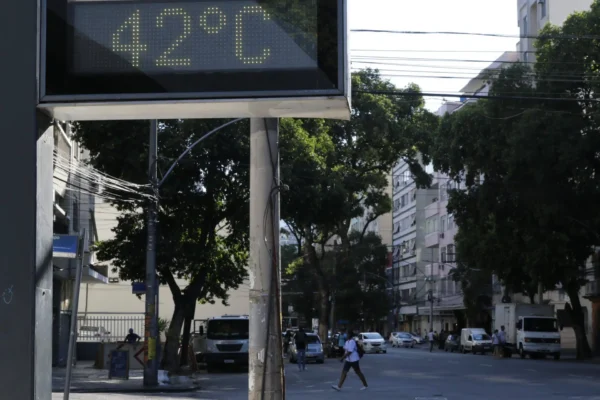
Extreme heat is becoming one of the greatest threats to childhood in brazil
A groundbreaking study shows that, in the coming decades, heat-related deaths of young children in Brazil could surge by up to 87% →
Protecting the forest means protecting capital
Understanding the Amazon and its unique characteristics is fundamental to the success of investments in the region →
Amazonian Giant Trees: Between Fascination and Lack of Protection
In one of the most threatened and important regions of the Amazon, Brazil risks losing one of the world’s largest trees before even fully knowing it →