


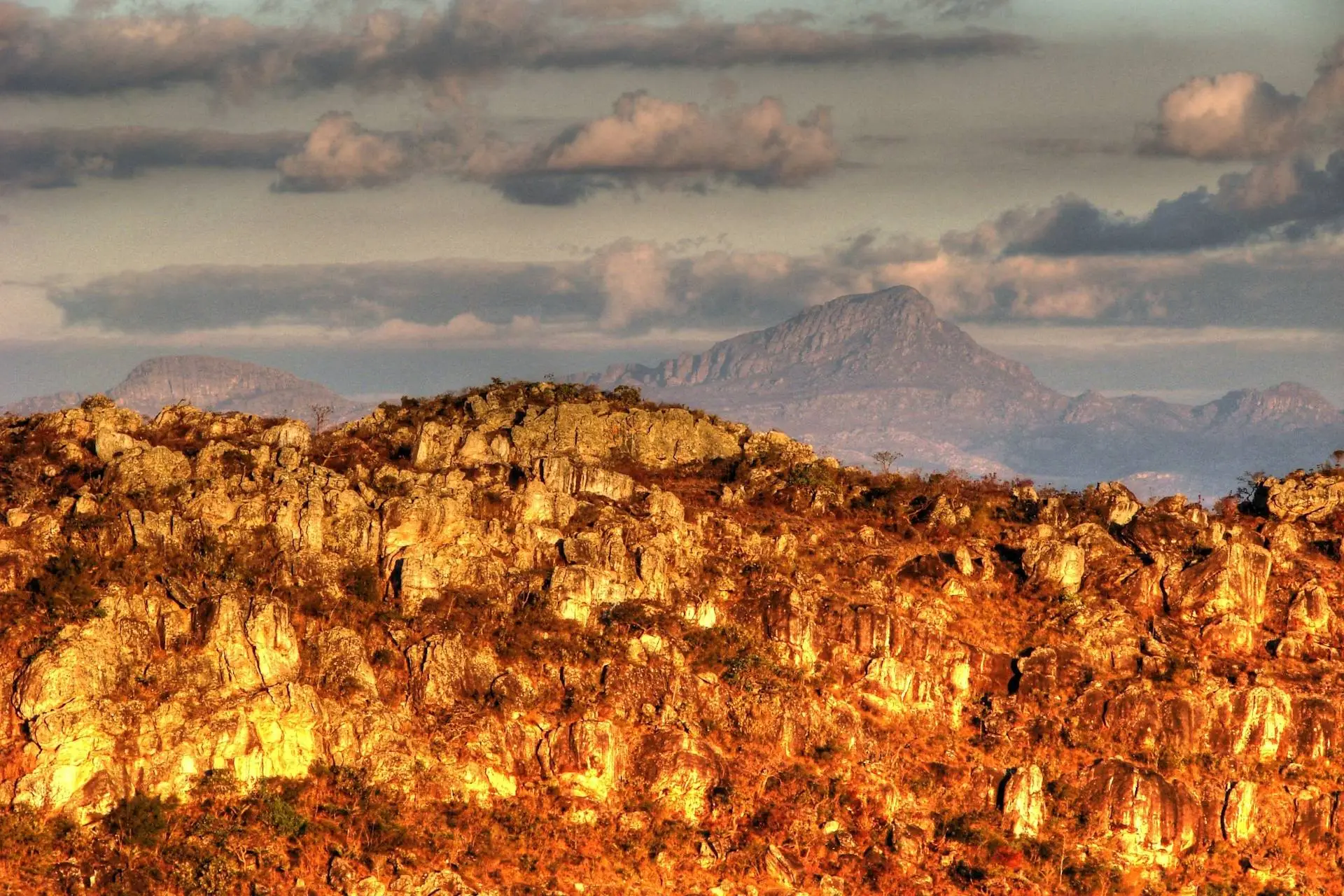
A new scientific study details how mining is expanding over the most sensible areas of the country’s largest mountain chain, putting at risk water sources and rivers that supply millions of people, unique species, and activities such as nature-based tourism.
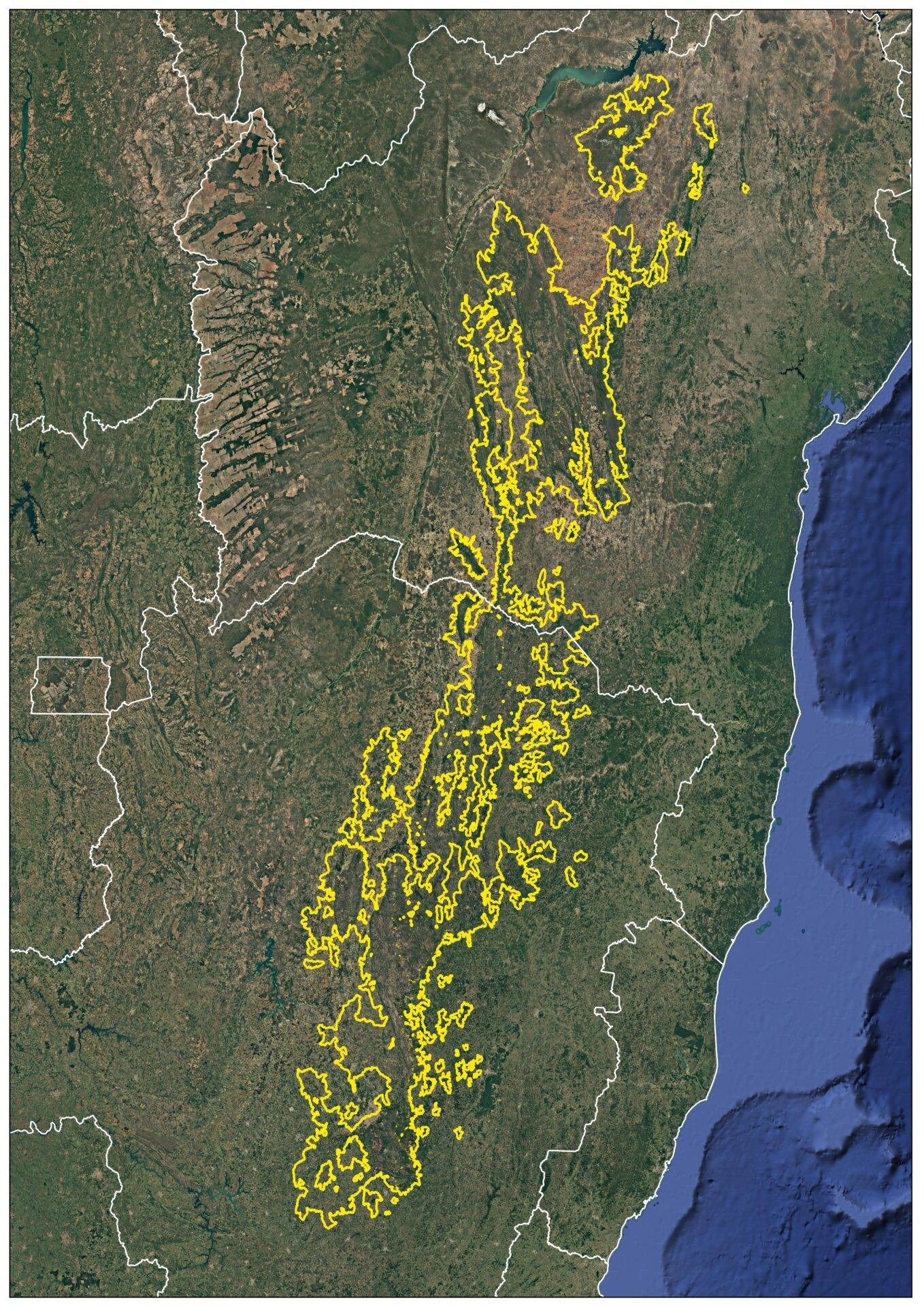
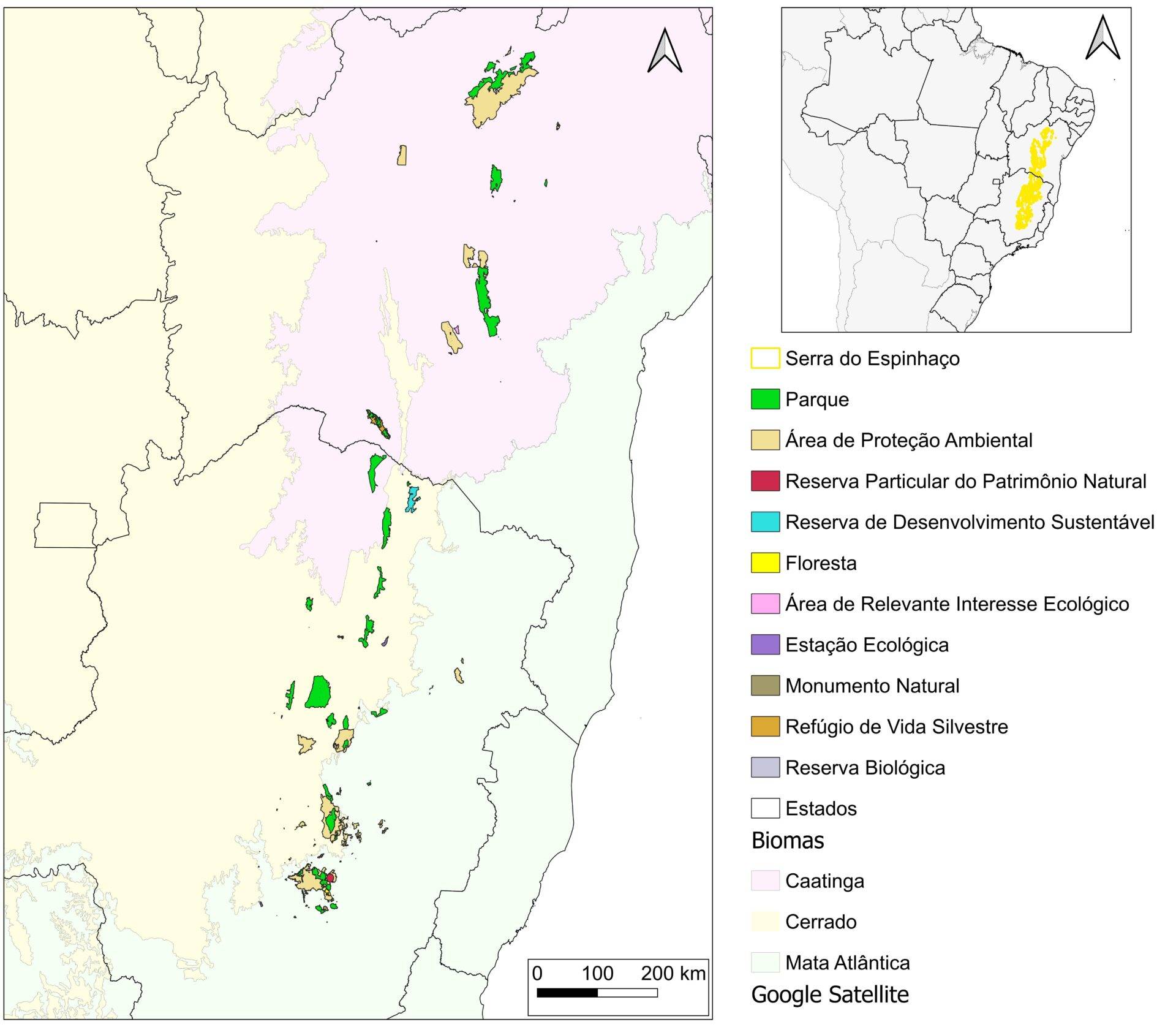
Stretching between the states of Bahia and Minas Gerais, the Serra do Espinhaço has become a target of the mineral rush – supplies which are also crucial for the transition to renewable energy sources According to a study published in the journal Science of the Total Environment, this expansion is occurring mainly in key areas for water production and biodiversity conservation.
The researchers claim that 3,668 mining processes already overlap with the mountain range: 1,360 are either operating or in advanced stages, and another 2,308 are in the planning process. Although they occupy only 6.26% of the Espinhaço territory, all of them are concentrated in areas of the highest environmental value.
“Mining is not randomly distributed,” says biologist Kleber Felipe da Silva, lead author of the study. “It occurs exactly where the mountain range contributes most to water production, biodiversity, and other essential services for society as a whole.”
A legally authorized mining operation in Brazil requires approval from the National Mining Agency (ANM) — linked to the Ministry of Mines and Energy — and requires environmental licensing from either city, state or federal authority, city depending on the scale of the project.
Critical for the transition
Critical or energy-transition minerals include iron, quartz, bauxite, nickel, gold, and industrial sand — all of which are essential for producing batteries, solar panels, wind turbines, and electric vehicles. Global demand for these materials is driven by climate goals and the shift away from fossil fuels.
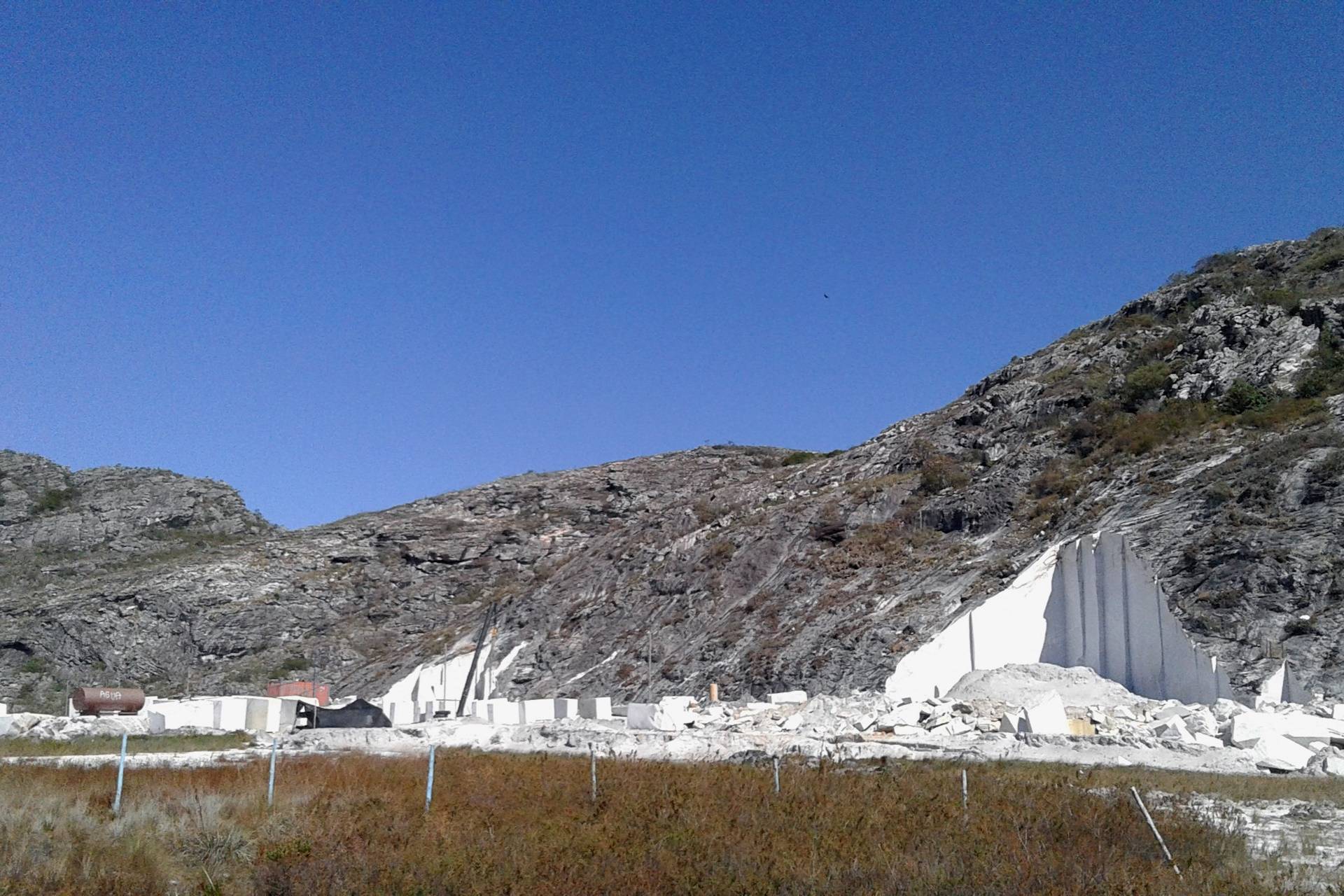
“Quartz and quartzite extraction is one of the strongest activities at the moment in the Serra do Espinhaço and occurs precisely over the campos rupestres, which are extremely fragile environments,” says biologist Leila Meyer, co-author of the study.
“It is a type of mining that removes the very foundation of the ecosystem — the rock and the soil — and in such cases, environmental loss tends to be permanent, with direct impacts on biodiversity and on strategic areas for water production”, she explains.
In light of this, the authors stress that the challenge is to manage extraction and conservation. “Mining happens where the ore exists — that is a reality,” says Leila Meyer. “The problem arises when this expansion ignores environmental value and treats unique ecosystems as if they were replaceable.”
For biologist Geraldo Wilson Fernandes, who is also a co-author, there is a “structural conflict.” “These environments concentrate ancient soils, springs, and endemic species (that exist nowhere else). When mining advances without territorial planning, the ecological and hydrological impact is far greater than the size of the exploited area.”
Contours of biodiversity
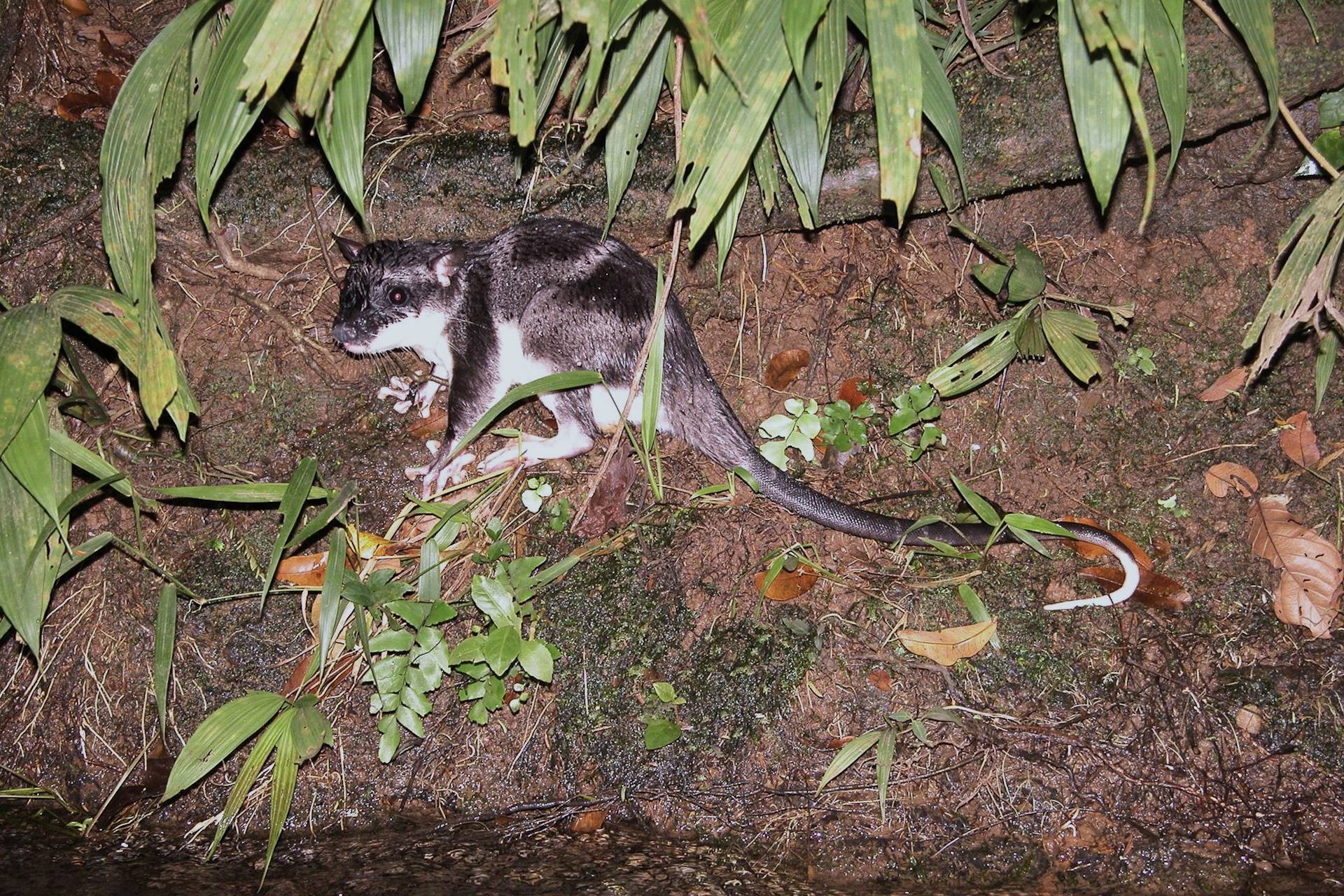
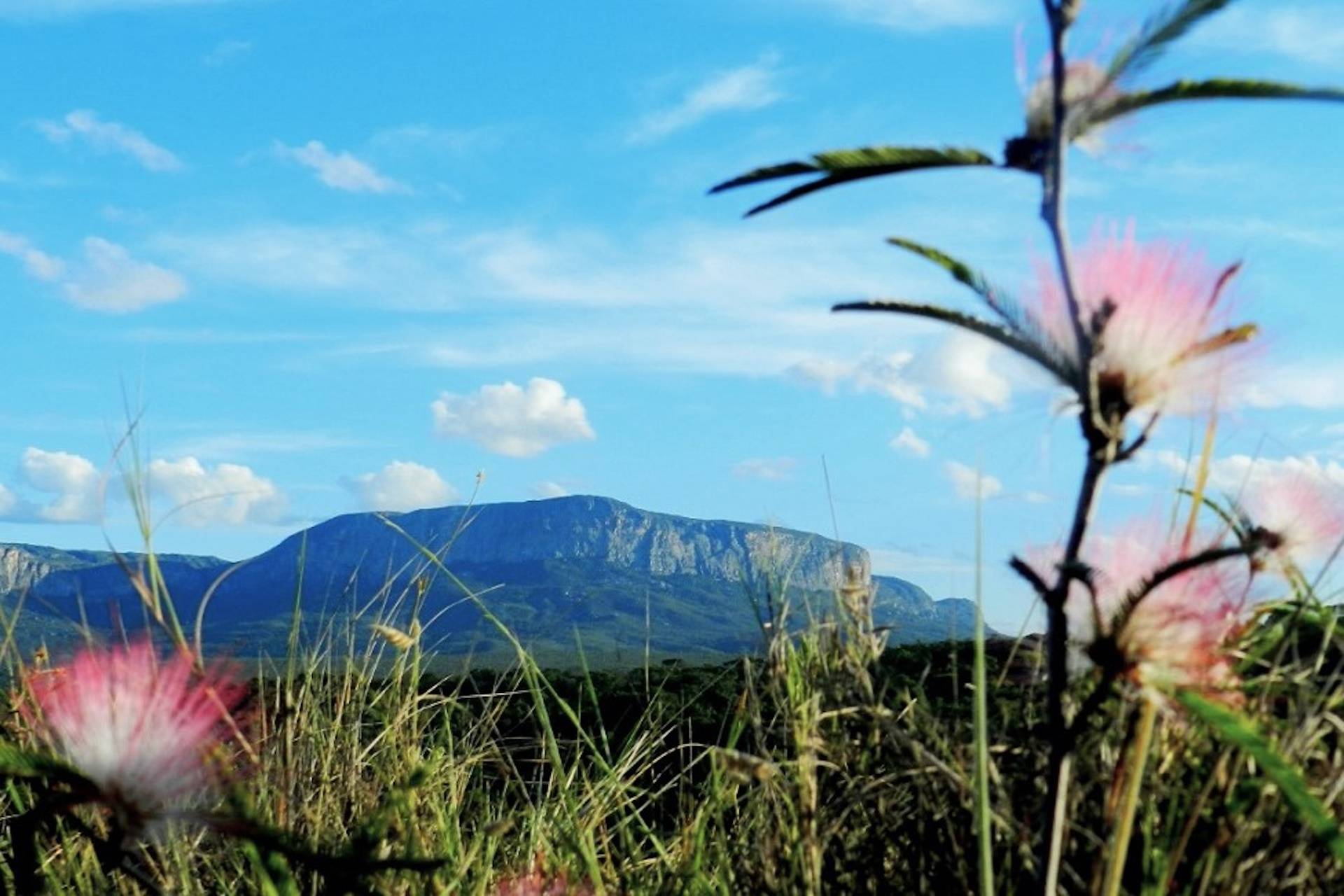
Parts of the Serra do Espinhaço bring together the Cerrado, Caatinga, and Atlantic Forest biomes, forming a rare mosaic of environments shaped by changes in altitude, climate, and soils. The study identified 639 threatened species in the region, including 563 vascular plants and 76 terrestrial vertebrates.
These include everlastings, canelas-de-ema, caliandras, unique rosemary species, stingless bees exclusive to the mountain range, amphibians, hummingbirds, and a yet little-known diversity of insects, many of which still lack detailed scientific studies.
“There are species that exist almost exclusively in specific rocky outcrops, on a particular mountain range,” explains Leila Meyer. “When a mine occupies that space, there is nowhere for those species to migrate.”
The study warns that 30 species have more than 30% of their distribution area overlapped by mining projects, especially in southern Espinhaço. In some cases, there were recorded overlaps that surpassed 90%. “There is a real risk of local extinctions, especially for endemic and poorly studied species,” highlights Kleber da Silva.
Additionally, the authors caution that the lack of georeferenced data for many species likely means the actual impacts are greater than estimated. “Our results still underestimate the biodiversity affected,” reinforces Leila Meyer. “The problem may be much more severe.”
Far beyond the headwaters
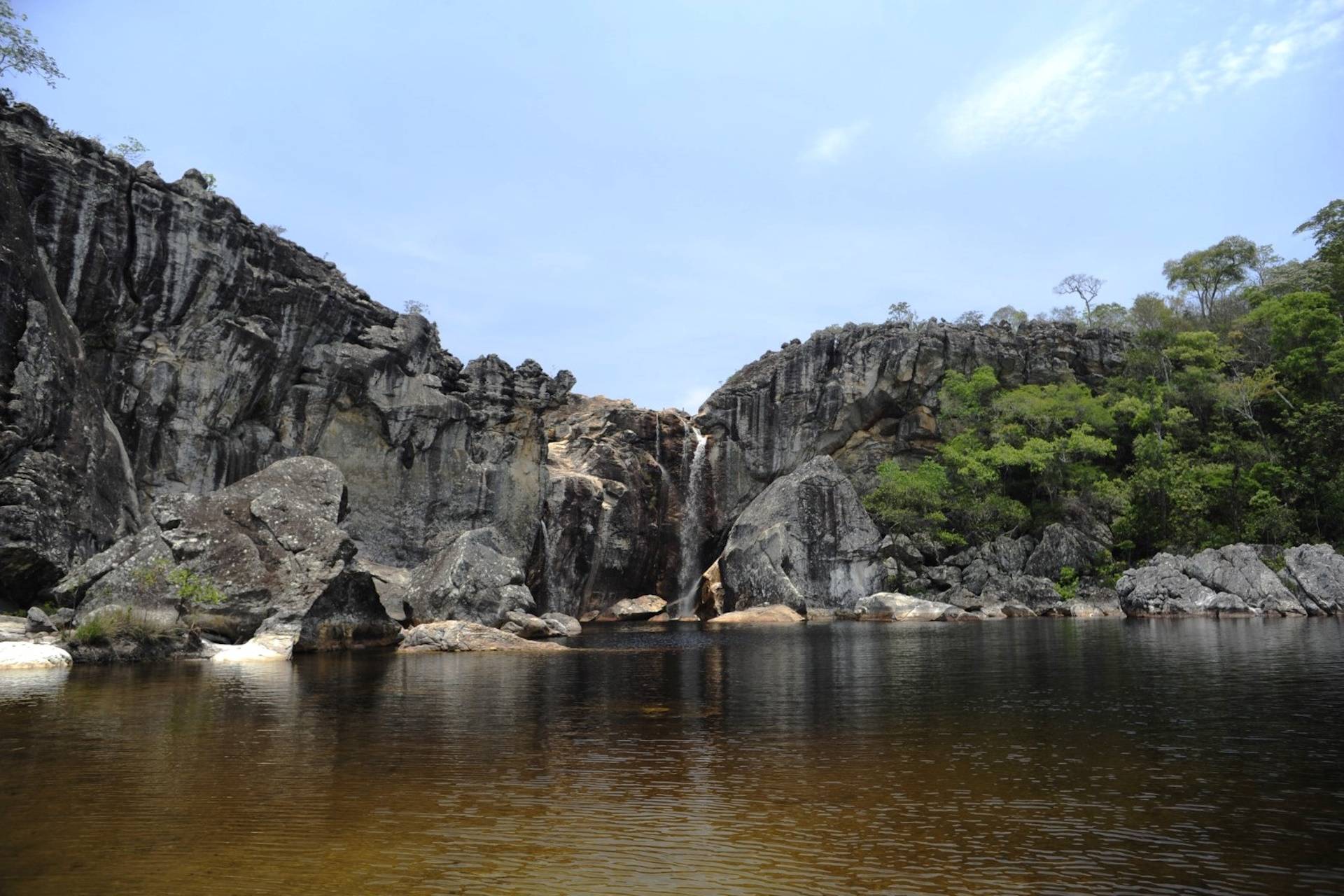
The research clarifies that mining is also advancing over strategic water sources. Areas which are already being exploited produce nearly three times more water than would be expected based on their size. Meanwhile, projects in planning are concentrated in areas with twice the average “water yield” of the Espinhaço.
Even more critical, the mountain range contains headwaters that feed the São Francisco, Doce, and Jequitinhonha river basins, which directly or indirectly supply around 50 million people — nearly one-quarter of Brazil’s population or approximately the entire population of Spain.
“The impact we evaluated is local, but the consequences have a wider effect”, explains Kleber da Silva. “The water that fails to infiltrate there is the water that will be missing kilometers downstream, in cities that do not even associate their water problems with mining in the mountain range.”
According to Wilson Fernandes, the Espinhaço functions as a vast natural water reservoir. “When you remove vegetation and alter the soil, water infiltrates less, runs off more quickly, and carries sediment into rivers,” he explains. “The effect appears later, far from the mine, in the form of scarcity, siltation, and loss of water quality.”
Leila Meyer emphasizes that the impact is twofold. “It’s not just about quantity. Removing vegetation increases erosion, compromises water quality, and directly affects human supply, irrigation, and energy generation.”
Chain effects
Beyond ecological impacts, mining triggers profound social and economic changes. Legal and illegal roads facilitate unregulated occupation, put pressure on local communities, increase the risk of wildfires and hunting, and degrade natural landscapes.
This conflicts with activities such as nature tourism, which has been growing along the Espinhaço. The federal government itself promotes the region as a new national destination, highlighting trails, waterfalls, landscapes, and biodiversity.
For Maria Dalce Ricas, superintendent of the NGO Minas Gerais Environmental Defense Association (AMDA), the indirect impacts of mining are often overlooked. “It makes no sense to promote the mountain range as a natural heritage site while simultaneously authorizing projects that fragment it. Mining opens roads, changes local dynamics, and the effects go far beyond the licensed area.”
“Landscape is also an environmental service,” adds Kleber da Silva. “When it is destroyed, an economic asset is lost — one that could generate continuous, more widely distributed, and less impactful income.”
Solutions must get off the ground
The scientists argue that mining and conservation do not need to be incompatible, provided there is planning and clear environmental criteria. “Licensing usually analyzes impacts project by project, in isolation,” says Kleber da Silva. “What we propose is an integrated vision, considering water, biodiversity, and ecosystem services before authorizations are granted.”
Leila Meyer stresses that there is still room to avoid the worst scenarios in the Espinhaço. “A large portion of projects are still on paper. That means it is still possible to direct mining toward already degraded areas and protect those that provide essential environmental services.”
The study recommends prioritizing areas where mining has already taken place, that way avoiding unique environments — such as campos rupestres and water infiltration zones — and creating and strengthening parks and other protected areas along the mountain range, which are currently insufficient in the face of mining pressure.
Tools such as the Mining Biodiversity Impact Reduction Plan (PRIM Mineração), created by the federal government, are cited as important advances — provided they are effectively applied in territorial planning.
“The idea is to complement environmental licensing by acting earlier, at the planning stage,” says Kleber da Silva. “It means crossing biodiversity data with mining suitability and identifying areas where the impact would be lower.”
Given the scenario revealed, the scientists conclude that mining impacts in the Espinhaço extend far beyond extraction sites. “What is at stake is not just biodiversity,” summarizes Kleber da Silva. “We are talking about water security, energy, the economy, and quality of life for millions of people.”
Amid the accelerating global race for critical minerals, the great mountain range is emerging as one of Brazil’s main environmental testing grounds. After all, the energy transition will only be truly sustainable and long-lasting if it does not compromise the natural foundations that make it possible.
The authors of the study are affiliated with the State University of Montes Claros, the Federal University of Minas Gerais, the State University of Rio de Janeiro, and the Center for Biodiversity Knowledge.
This story was originally published in Portuguese. The translation to English was done with the assistance of Artificial Intelligence, with final review by a human. For this story, the review was done by the reporter Vinicius Nunes.
-

Aldem Bourscheit
Jornalista cobrindo há mais de duas décadas temas como Conservação da Natureza, Crimes contra a Vida Selvagem, Ciência, Agron... →
Se o que você acabou de ler foi útil para você, considere apoiar
Produzir jornalismo independente exige tempo, investigação e dedicação — e queremos que esse trabalho continue aberto e acessível para todo mundo.
Por isso criamos a Campanha de Membros: uma forma de leitores que acreditam no nosso trabalho ajudarem a sustentá-lo.
Seu apoio financia novas reportagens, fortalece nossa independência e permite que continuemos publicando informação de interesse público.
Escolha abaixo o valor do seu apoio e faça parte dessa iniciativa.
Leia também
Reforesting may be the most urgent policy to save the Amazon
Transforming already deforested areas into forest-based productive systems emerges as a decisive strategy in the face of traditional measures that are failing →
Traditional wisdom and technology help extractivists confront the climate crisis in the State hosting the COP30
Beyond rising temperatures, fishermen also fear potential losses from oil spills originating at the mouth of the Amazon River. →
Water crisis in the Amazonas State: when decades of neglect meet a climate emergency
In the world’s largest river basin, millions live with empty taps or unsafe water. →