


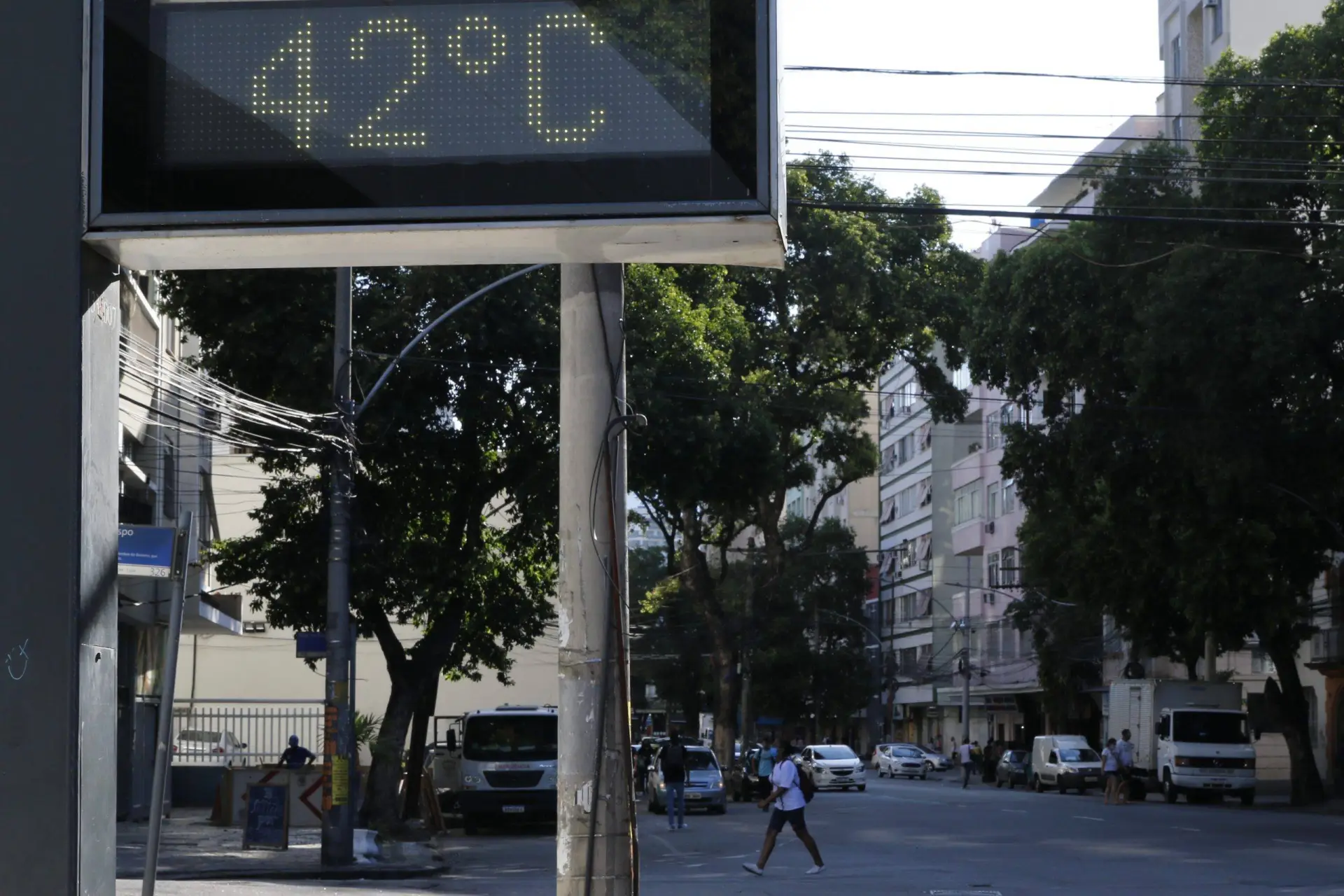
COP30 is bringing together, in Belém, adults from all walks of life to debate the climate actions that will shape humanity’s future. Among the many urgent issues that must be addressed to make that future viable, one speaks directly to the fragility of life and the defense of those who are most dependent: children. Any climate-solution agenda must account for the future of children, those who will inherit the consequences of today’s decisions, despite having contributed least to the planet’s degradation.
The urgency of this lens is reinforced by a groundbreaking study from the London School of Hygiene & Tropical Medicine (LSHTM), in partnership with the Center for Data and Knowledge Integration for Health (Cidacs/Fiocruz Bahia). The research sheds new light on an underexplored dimension: the impact of extreme heat on child mortality in Brazil. The study analyzed data from 131 brazilian cities, combining historical temperature records, mortality data and climate projections through the end of the century.
Its aim was to estimate how rising temperatures under different greenhouse-gas emission scenarios could affect the health of children under five. The findings are alarming: between 2049 and 2059, heat-related child mortality could increase by up to 87% under a high-emissions scenario. Even under an intermediate-emissions pathway, with average warming between 2.5°C and 3°C by 2050, the number of deaths could rise by as much as 50%. Under the worst-case scenario, temperatures could climb by up to 5°C by the end of the century.
The Brazilian analysis is part of a global report released in July that examined how climate change affects the health of mothers, babies and children worldwide. According to the report, roughly 1 billion children live under “extremely high risk” from climate impacts; about half of them are exposed to flooding, and nearly 160 million face the dangers of prolonged drought.
The data makes clear that the climate crisis has a face, a name and an age. Extreme heat affects nutrition, cognitive development and respiratory health, worsening existing inequalities, particularly for children living in impoverished regions marked by drought, food insecurity and lack of basic infrastructure. Infectious diseases such as dengue and malaria are also expected to expand under higher temperatures, further straining health systems.
In the context of COP30, the LSHTM–Fiocruz findings underscore a critical point: protecting the environment is also a public-health policy. International and national climate policies must consider these populations. They are the children of the future, many not yet born, who will bear the brunt of decisions made today.
The greatest consequences of climate change will determine the quality of life and the future prospects of the children being born right now. If these children had the same decision-making power as the older adults who currently hold executive and legislative office, they would certainly defend their own interests with far more urgency and ambition. The fact that they are unrepresented in climate-related decisions exposes a profound flaw in our political architecture: we may have regional and geographic representation, but we lack the crucial dimension of generational representation. To correct this imbalance, we must create decision-making processes that incorporate the rights and perspectives of future generations, establishing the protection of childhood as a non-negotiable cornerstone of every climate and development policy.
Protecting children means safeguarding life itself. And that protection begins with defending the climate, the forests and the natural systems that sustain human existence.
*This opinion piece is the responsibility of its authors and does not necessarily reflect the views of ((o))eco
This story was originally published in Portuguese. The translation was done with the assistance of Artificial Intelligence, with final review by the journalist Fabiani Matos
.
-

Alexandre Mansur
Diretor de projetos do Mundo Que Queremos →
-
Susana Berbert
Coordenadora de Projetos do Mundo Que Queremos →
Se o que você acabou de ler foi útil para você, considere apoiar
Produzir jornalismo independente exige tempo, investigação e dedicação — e queremos que esse trabalho continue aberto e acessível para todo mundo.
Por isso criamos a Campanha de Membros: uma forma de leitores que acreditam no nosso trabalho ajudarem a sustentá-lo.
Seu apoio financia novas reportagens, fortalece nossa independência e permite que continuemos publicando informação de interesse público.
Escolha abaixo o valor do seu apoio e faça parte dessa iniciativa.
Leia também
There’s a Good Reason to Pay Attention to Trancoso’s Organic Festival
Some of Brazil’s most celebrated chefs are leading a movement that goes far beyond cuisine →
Why I returned from New York with more hope than I expected
With leadership in regenerative agriculture and forest restoration, Brazil emerges as a strategic solutions provider for the global climate crisis →
How we will cultivate the future
Regenerative agriculture is the best strategic response to our food security and the rise of chronic diseases →