


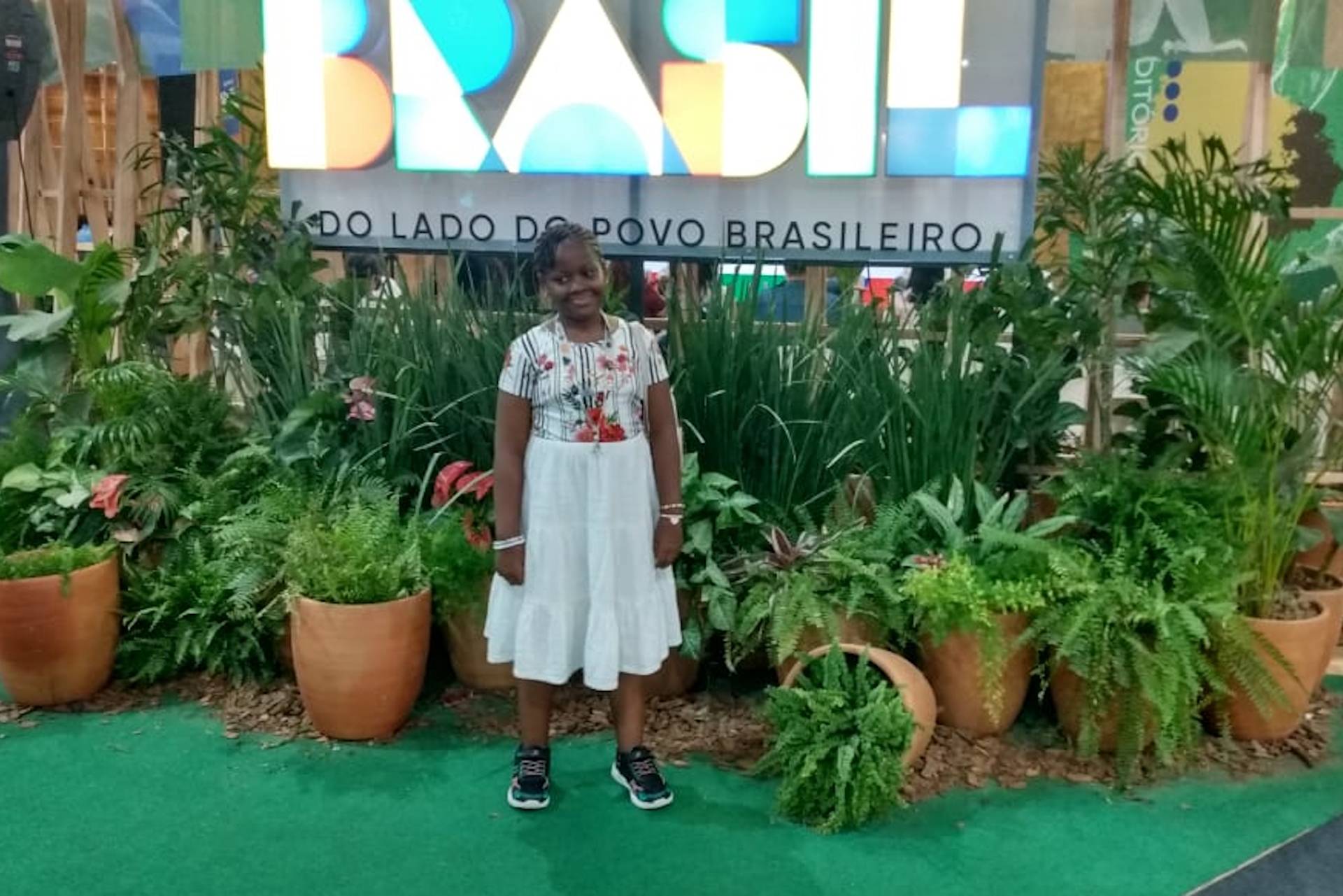
Adults paralyzed in their comfort zones believing they have nothing to do to tackle the climate crisis or even ignoring its consequences need to meet Georgina Magesa. She is an 11-year-old climate activist attending the 30th United Nations Climate Change Conference (COP30) in the capital of Pará, Brazil. At age nine, supported by her mother – educator Mary Bwahama – she created the Georgina Foundation to work more strongly with educational initiatives in her home country – Tanzania. But the doors of the world have already opened to broaden the horizons of this idealistic girl. A sticker on her iPad case with the message “Children are part of the solution” reflects exactly what mother and daughter believe when it comes to this challenging agenda. Both of them say they are willing to mobilize efforts for the future of childhood.
Georgina’s engagement with the need to address the climate crisis by protecting children and young people began before the foundation was officially created. But it was in the last two years that she and her mother began to expand their participation in international debates on the subject. They are attending a Climate COP for the second consecutive year. Their first experience was last year’s COP29 in Baku, Azerbaijan. In Belém, both say they are impressed with society’s mobilization, the welcoming local population, and the discussions that have been taking place since November 11. The official program is scheduled to end this Friday (21).

Their travel marathon of almost 20 hours involved several connections, starting from their departure from Dar es Salaam, Tanzania’s largest city. But mother and daughter confirmed that the trip was well worth it. “Knowing the Amazon was a dream come true,” says the educator whose first impression of this region of emblematic nature and culture was unforgettable.
Ice cream made of Amazon fruits is already part of their fond memories, and it was precisely in a line at an ice cream shop at the Blue Zone that the conversation with the reporter began. The girl said that she was also fascinated by the tapioca flavor – her favorite – and that her mother loved bacuri. The young climate activist also accepted the suggestion to try cupuassu-flavored ice cream and was surprised by it. Both know that preserving these and other local ingredients for current and future generations to be able to enjoy them depends on the forest and other living ecosystems.
They are also concerned about the future of children and young people from local communities. However, they said they are motivated by having witnessed, during COP30, how these Amazon social groups put up such a strong fight for the right to keep their territories, knowledge and ways of life protected. This is one of the messages they intend to share on their return to Tanzania
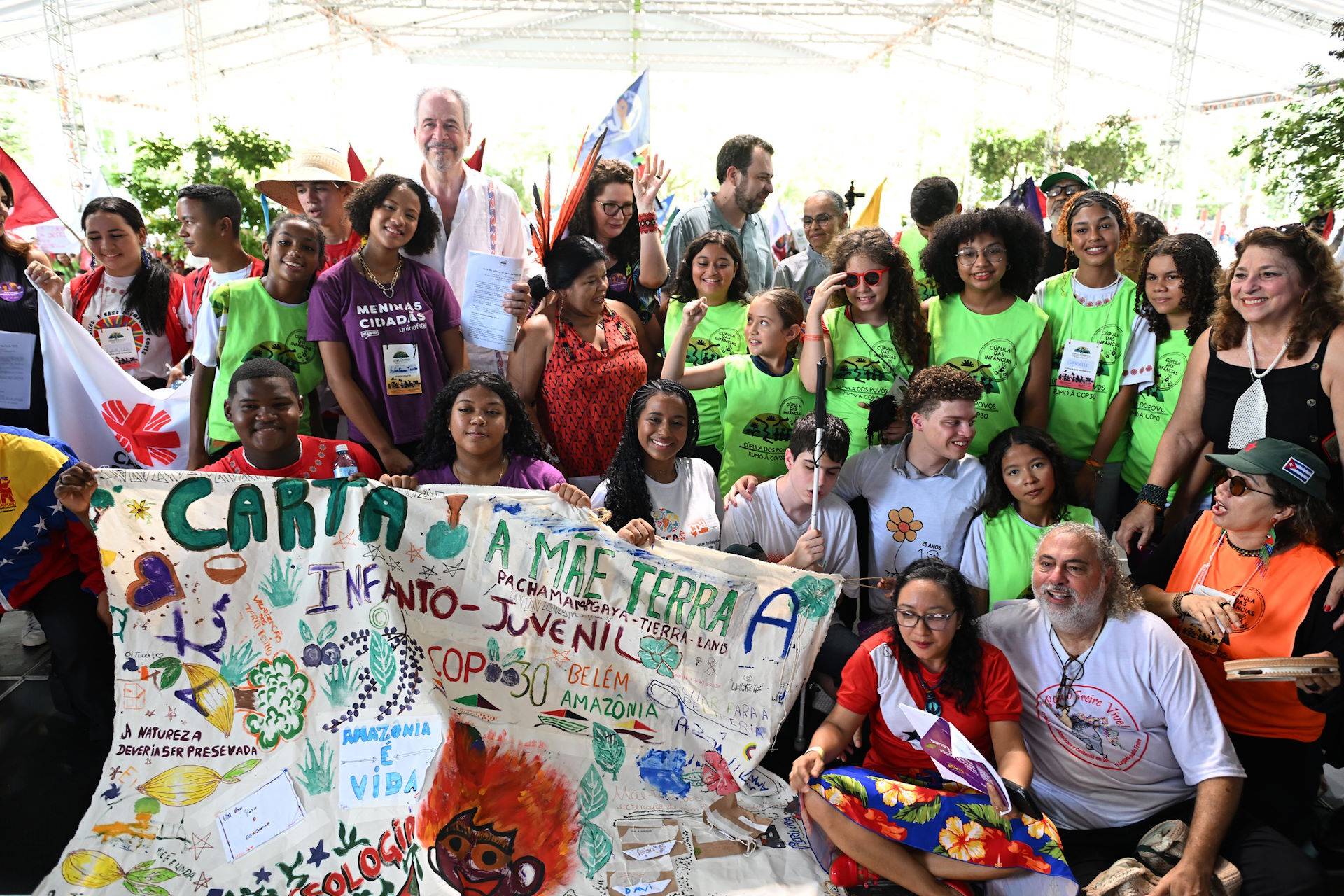
As an innovation of the Belém Conference, children like Georgina were able to participate in the COP of Childhoods program, with specific activities for their voices to be heard. During the closing of the People’s Summit on November 16, after an intense agenda of civil society activities that began on November 12, children and young people reflected and moved the audience by defending their desired future based on political and diplomatic decisions that need to be made in the present. They were also able to publicly read letters with demands before government leaders and COP30 president Ambassador André Corrêa do Lago, who was accompanied by COP CEO Ana Toni.
This report was produced by ((oeco)) through the Collaborative Socio-environmental Coverage of COP 30. Read the original report here.
-
Elizabeth Oliveira
Jornalista e pesquisadora especializada em temas socioambientais, com grande interesse na relação entre sociedade e natureza. →
Se o que você acabou de ler foi útil para você, considere apoiar
Produzir jornalismo independente exige tempo, investigação e dedicação — e queremos que esse trabalho continue aberto e acessível para todo mundo.
Por isso criamos a Campanha de Membros: uma forma de leitores que acreditam no nosso trabalho ajudarem a sustentá-lo.
Seu apoio financia novas reportagens, fortalece nossa independência e permite que continuemos publicando informação de interesse público.
Escolha abaixo o valor do seu apoio e faça parte dessa iniciativa.
Leia também
Traditional wisdom and technology help extractivists confront the climate crisis in the State hosting the COP30
Beyond rising temperatures, fishermen also fear potential losses from oil spills originating at the mouth of the Amazon River. →
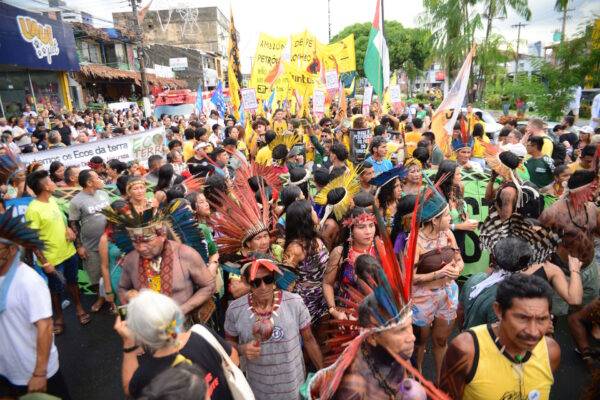
March in Belém Warns of the Risks of the Climate Crisis to Public Health
The slogans emphasized the direct connection between these two agendas, which mainly impact the most vulnerable populations →
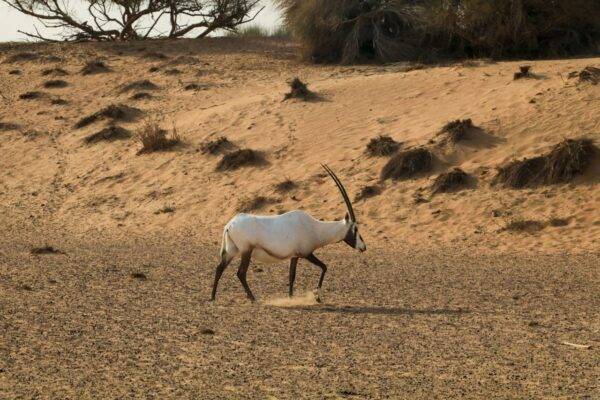
The other side of the United Arab Emirates and its efforts to conserve biodiversity
The country, which led efforts to save the Arabian oryx from extinction, is also investing in marine protected areas for dugongs, as explained by the Minister of Environment at the IUCN Congress →