


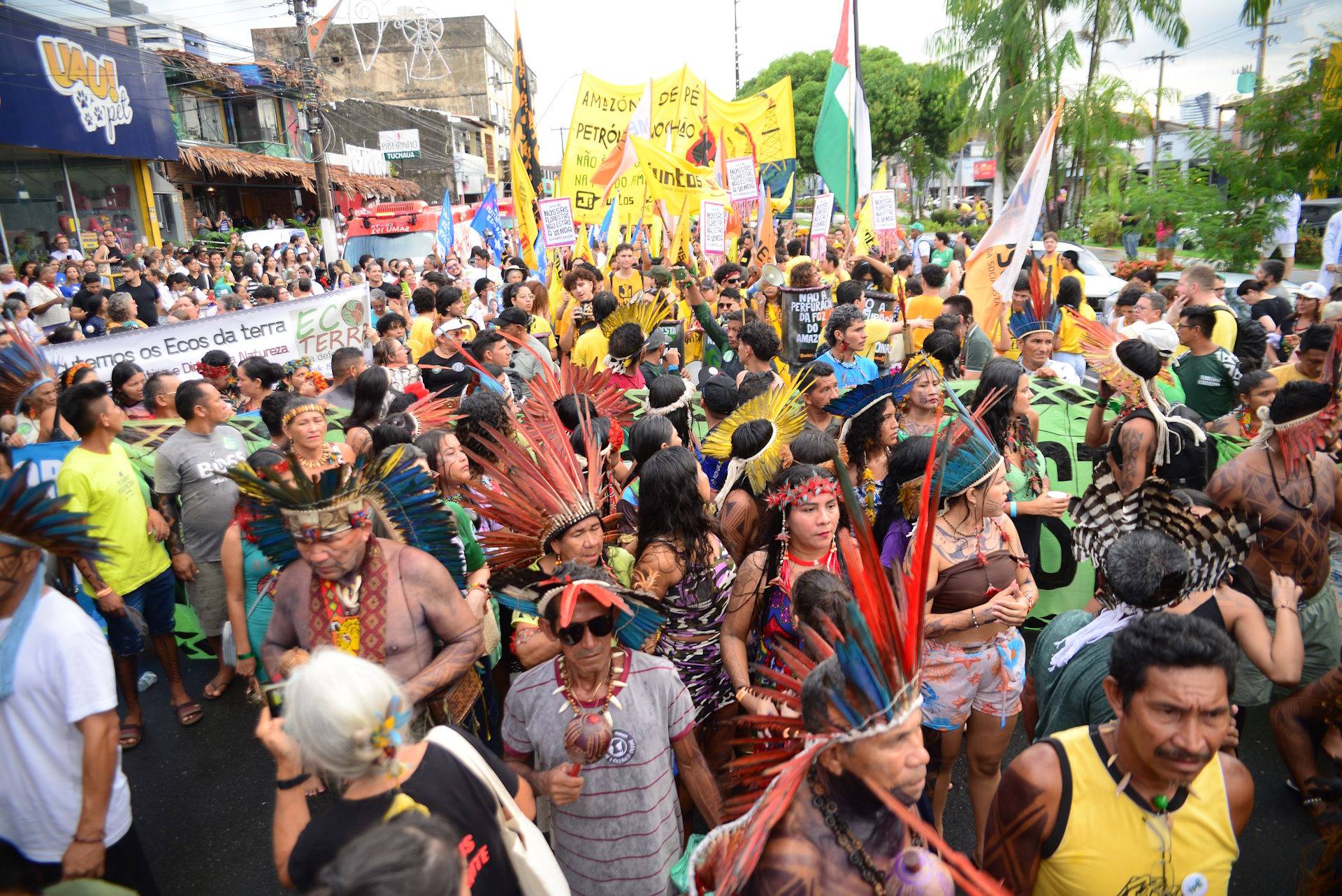
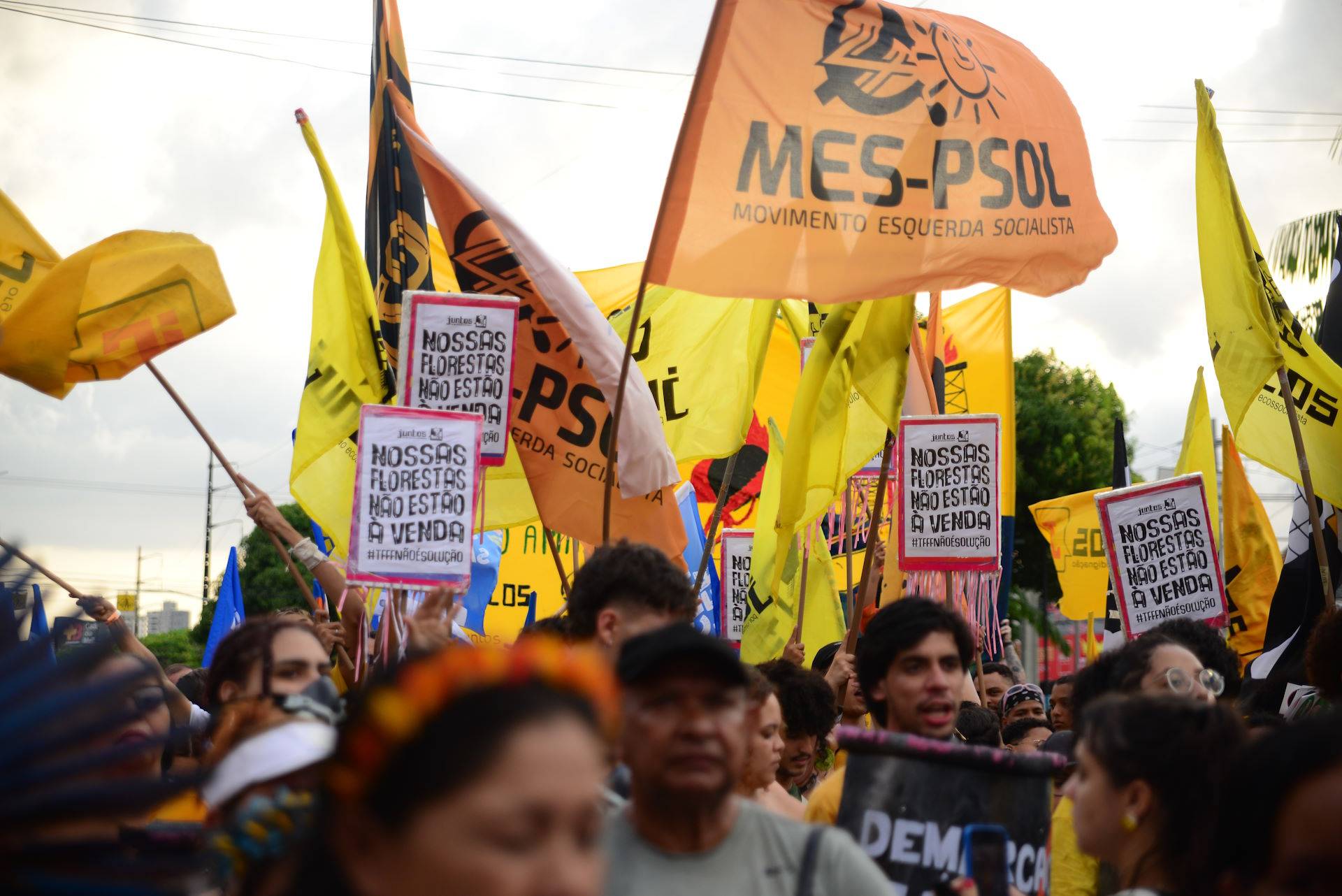
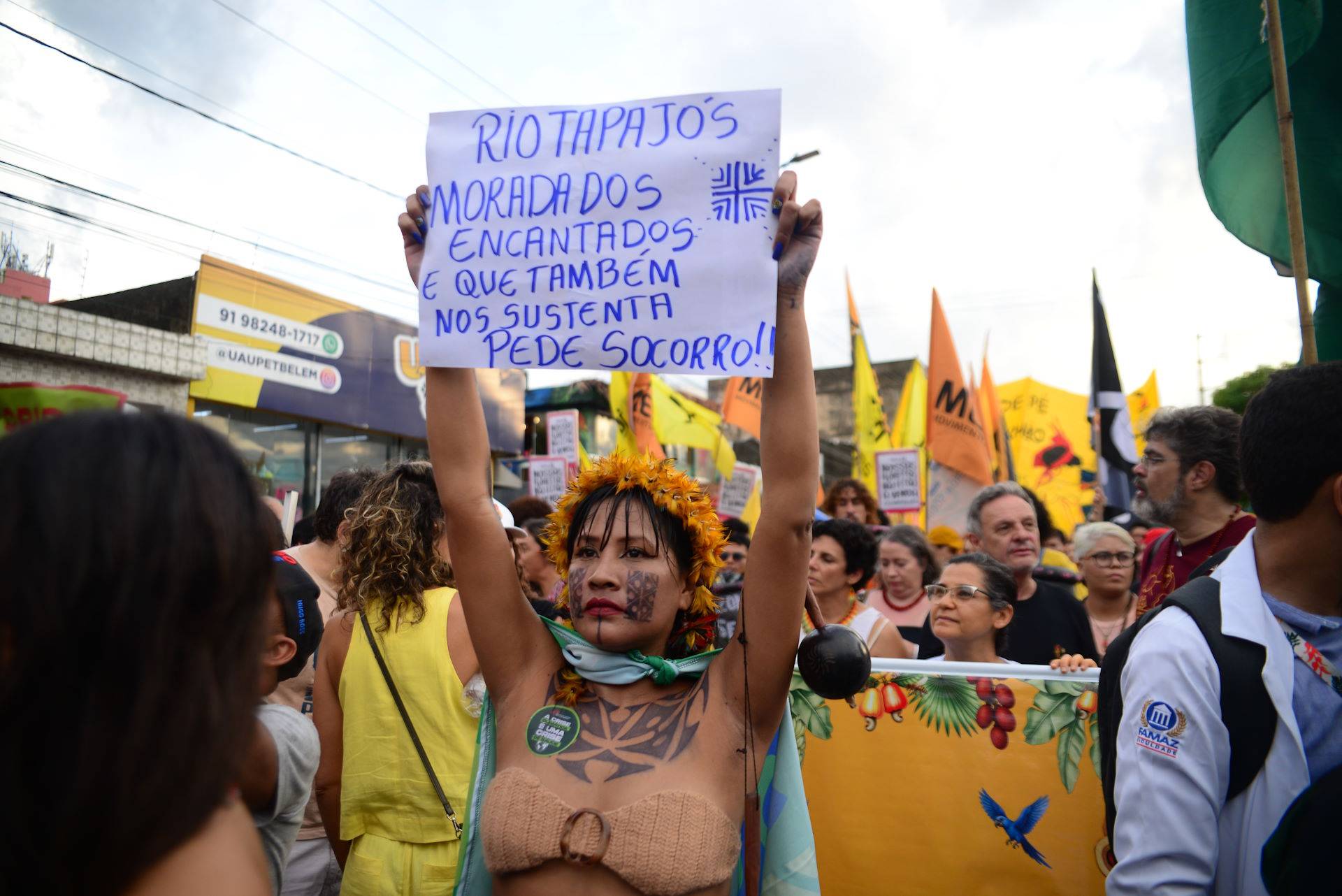
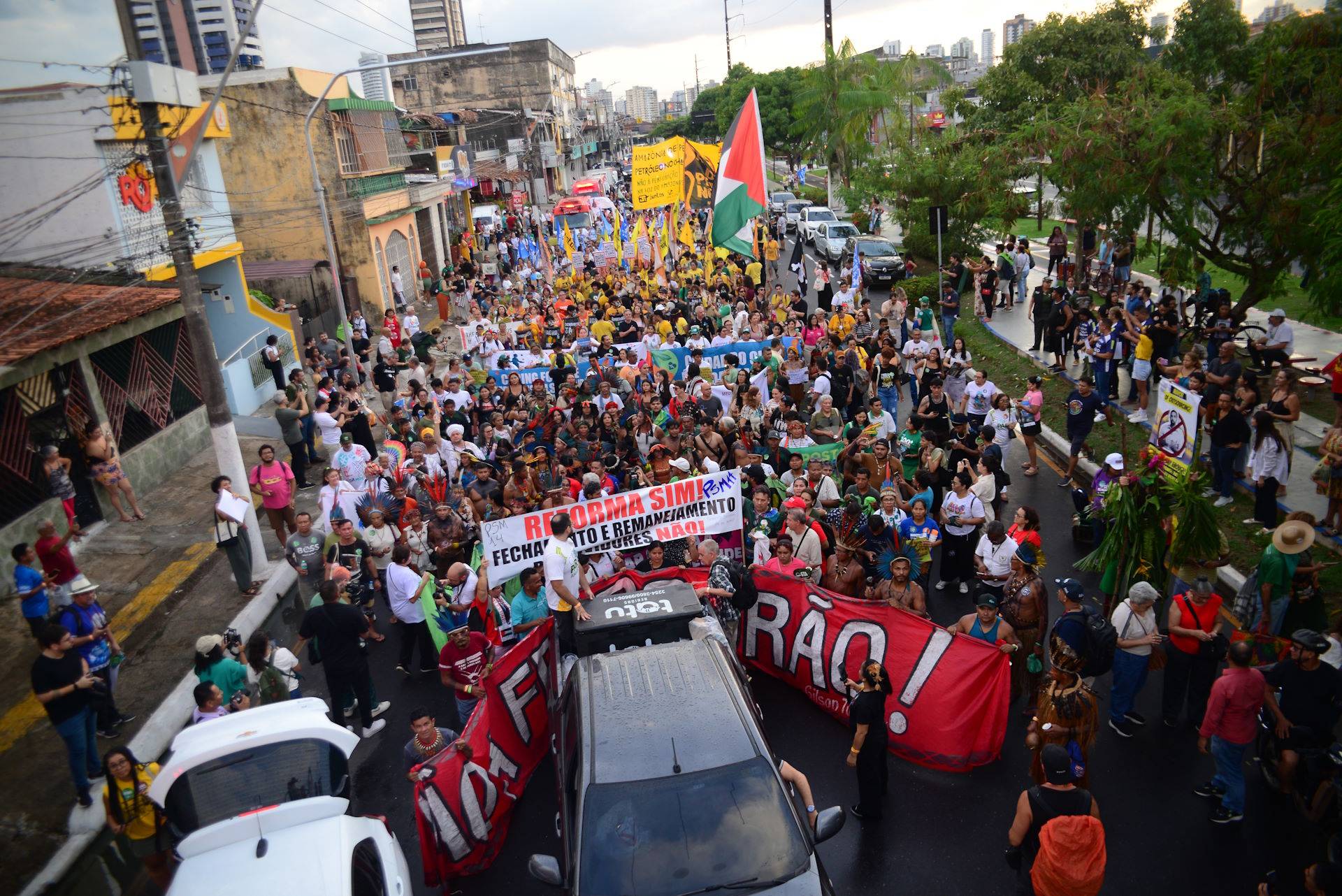
The worsening of the climate crisis will increasingly amplify public health problems globally, with the most vulnerable populations being affected the hardest. This direct link between the two global agendas was emphasized in the slogans and positions of the protesters who participated in the March for Health and Climate on Tuesday (11). Stretching over 1.5 kilometers, the mobilization involved health professionals, environmentalists, Indigenous representatives, and other social movements. Wherever it passed, the demonstration aroused the interest of residents. While some watched from the doors and windows of their homes, others joined the peaceful protest.
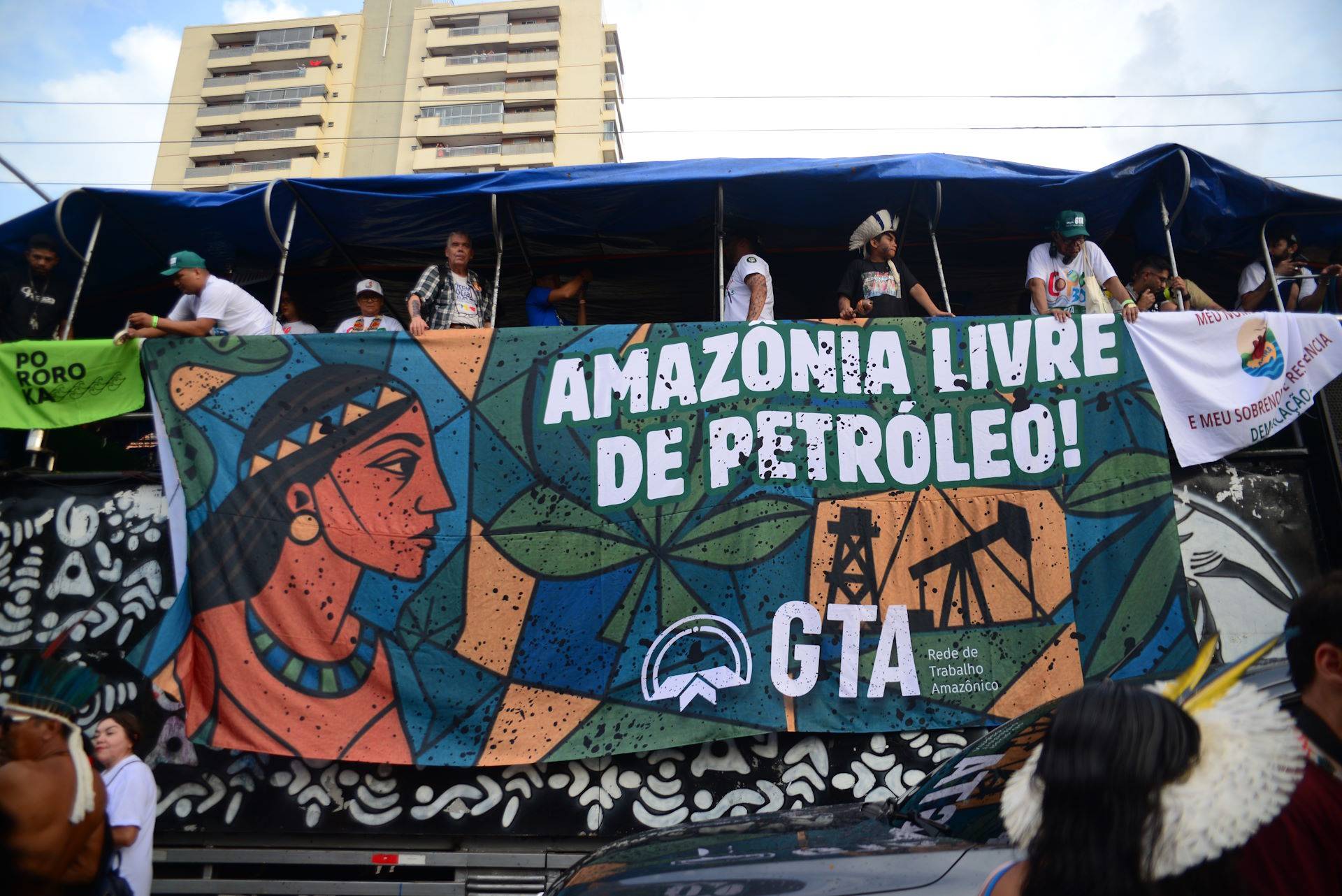
In statements by guests who climbed onto the vehicle that led the mobilization, as well as on the protesters’ banners and posters, warnings sought to raise public awareness about the threats posed by the devastation of nature and the advance of activities incompatible with global climate stabilization efforts, which were present in the discussions and deliberations of COP 30.
For activist and Indigenous leader Auricélia Arapium, for example, the fight to defend health “must listen to the Peoples of the forest.” In the Lower Tapajós region, home to 14 Indigenous Peoples, “they try to silence us every day,” “but we will not be silenced,” she reaffirms.
According to her, in this region, where she has been actively defending ways of life and the standing forest, illegal mining contaminates rivers and streams with mercury, and agribusiness has a significant impact on the health of communities due to its expansion into the territories of traditional populations and the intensive use of pesticides.
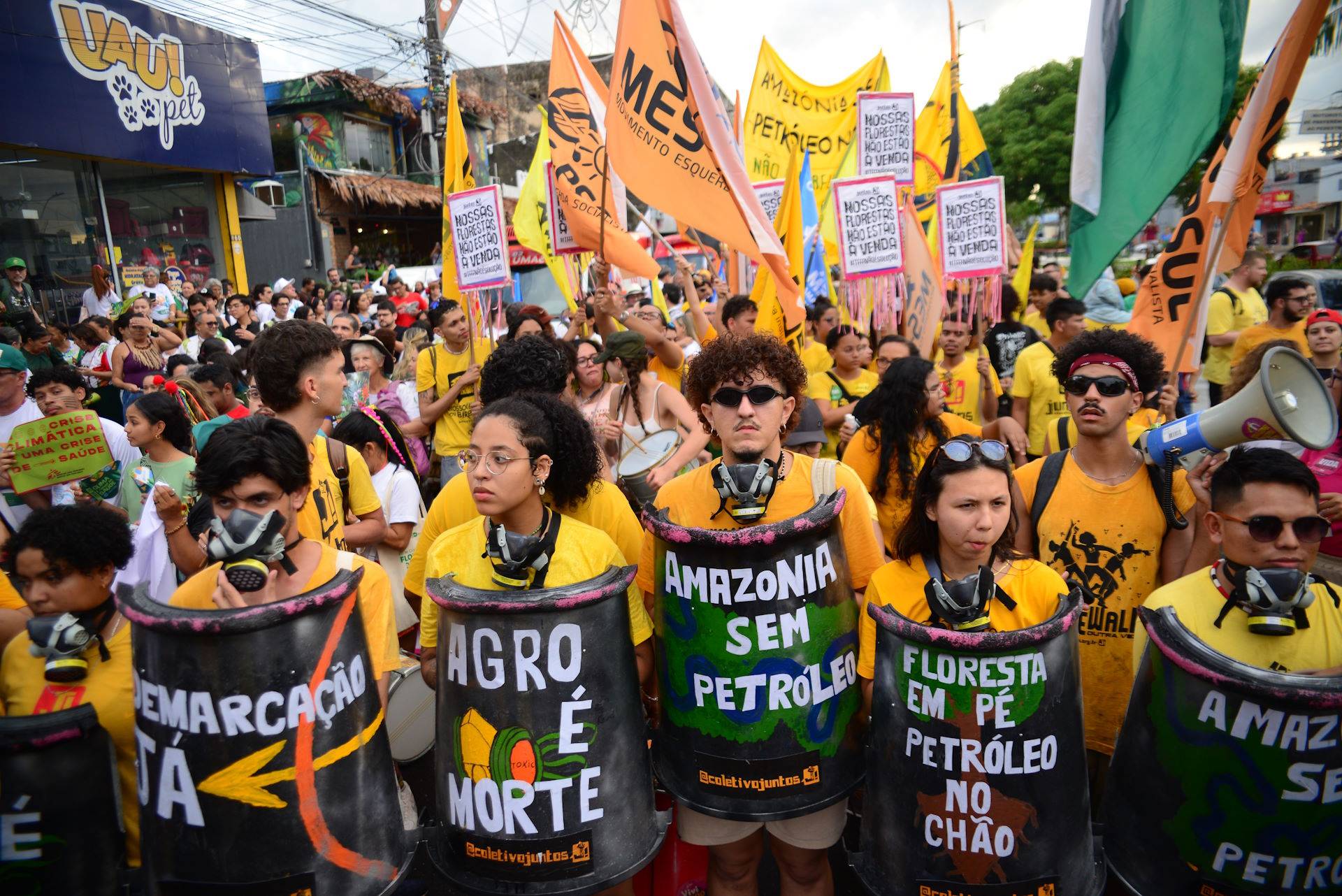
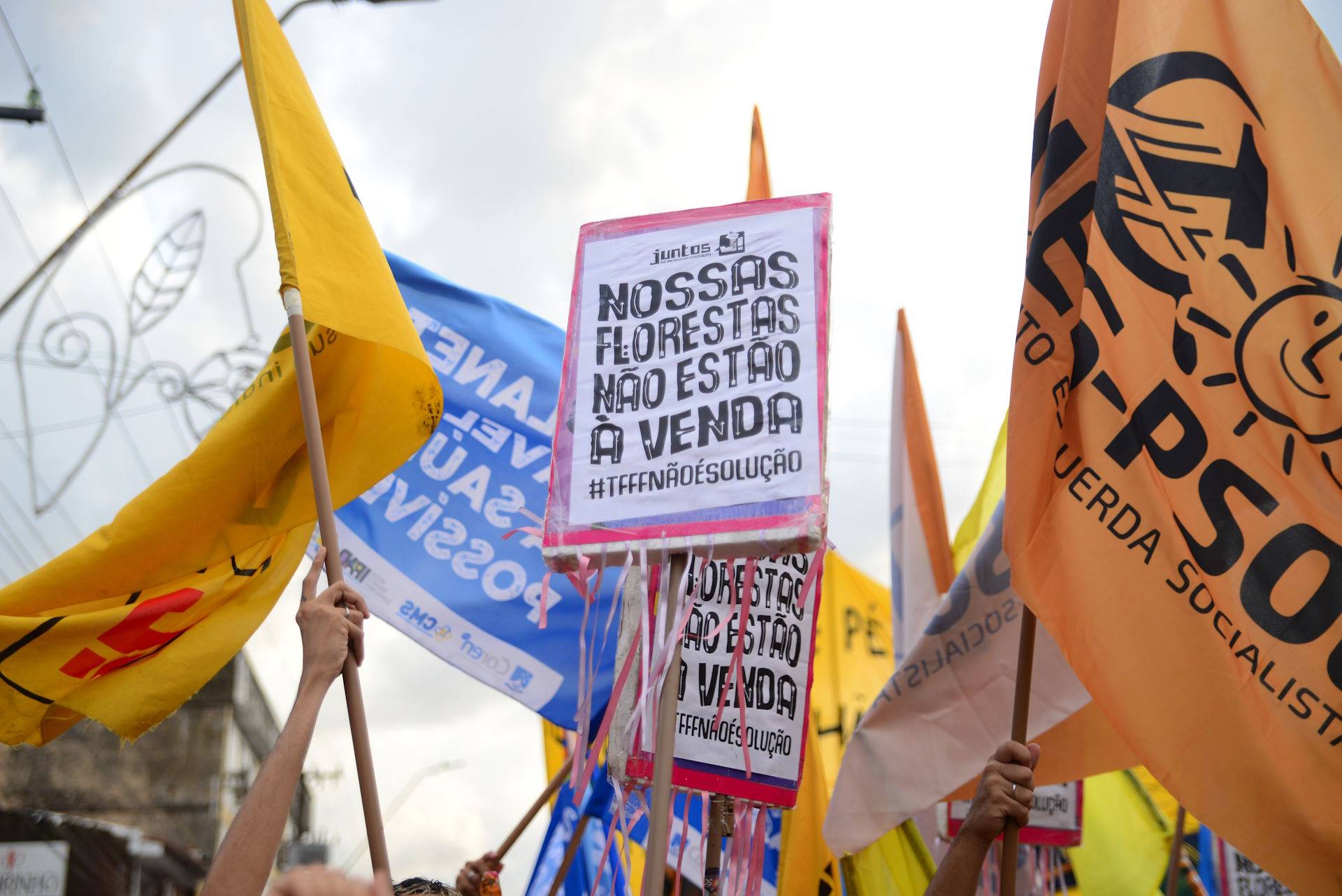
Throughout the march, banners and posters displayed positions against oil exploration at the mouth of the Amazon River, whose research phase has already been authorized by the Brazilian Institute of the Environment and Renewable Natural Resources (IBAMA). They also advocated for an end to deforestation and the strengthening of Indigenous leadership in the fight against the climate crisis. “We are the answer” was printed on countless protest materials carried by Indigenous groups who sang, danced, and sought to express their desire for recognition for their contributions in defense of nature for the well-being of society.
At around 7:15 p.m., shortly before the march dispersed, which had traveled part of Duque de Caxias Avenue in Marco, dozens of protesters stopped following the vehicle that had been leading the mobilization and had turned off that road onto a side street. The announcer insisted that the group return to close the event, but many people ran toward the Blue Zone, the official headquarters of COP30, where there was later a confrontation with local security forces. The episode began to generate repercussions on Tuesday night.
“Any movement, any demonstration that is not aligned with the Indigenous movement, with APIB (…) and so many other Indigenous organizations that are part of this great network of the Indigenous movement, is not part of this Indigenous movement that we want to bring, which is orderly. Some institutions are trying to convey the image that the Indigenous movement is here to cause trouble and chaos in this space (…). The Indigenous movement is here, aware of the space we are in, knowing what we have come to do, and we want to continue securing these commitments from everyone. What we want is to be the answer to this process, because we are the answer. Demarcation now,” declared Kleber Karipuna, grassroots leader of the Coordination of Indigenous Organizations of the Brazilian Amazon (COIAB) and the Coordination of Indigenous Peoples of Brazil (APIB).
This report was produced by ((o))eco, through the Collaborative Socio-environmental Coverage of COP 30.
-
Elizabeth Oliveira
Jornalista e pesquisadora especializada em temas socioambientais, com grande interesse na relação entre sociedade e natureza. →
Se o que você acabou de ler foi útil para você, considere apoiar
Produzir jornalismo independente exige tempo, investigação e dedicação — e queremos que esse trabalho continue aberto e acessível para todo mundo.
Por isso criamos a Campanha de Membros: uma forma de leitores que acreditam no nosso trabalho ajudarem a sustentá-lo.
Seu apoio financia novas reportagens, fortalece nossa independência e permite que continuemos publicando informação de interesse público.
Escolha abaixo o valor do seu apoio e faça parte dessa iniciativa.
Leia também
Water crisis in the Amazonas State: when decades of neglect meet a climate emergency
In the world’s largest river basin, millions live with empty taps or unsafe water. →

The other side of the United Arab Emirates and its efforts to conserve biodiversity
The country, which led efforts to save the Arabian oryx from extinction, is also investing in marine protected areas for dugongs, as explained by the Minister of Environment at the IUCN Congress →
There’s a Good Reason to Pay Attention to Trancoso’s Organic Festival
Some of Brazil’s most celebrated chefs are leading a movement that goes far beyond cuisine →