


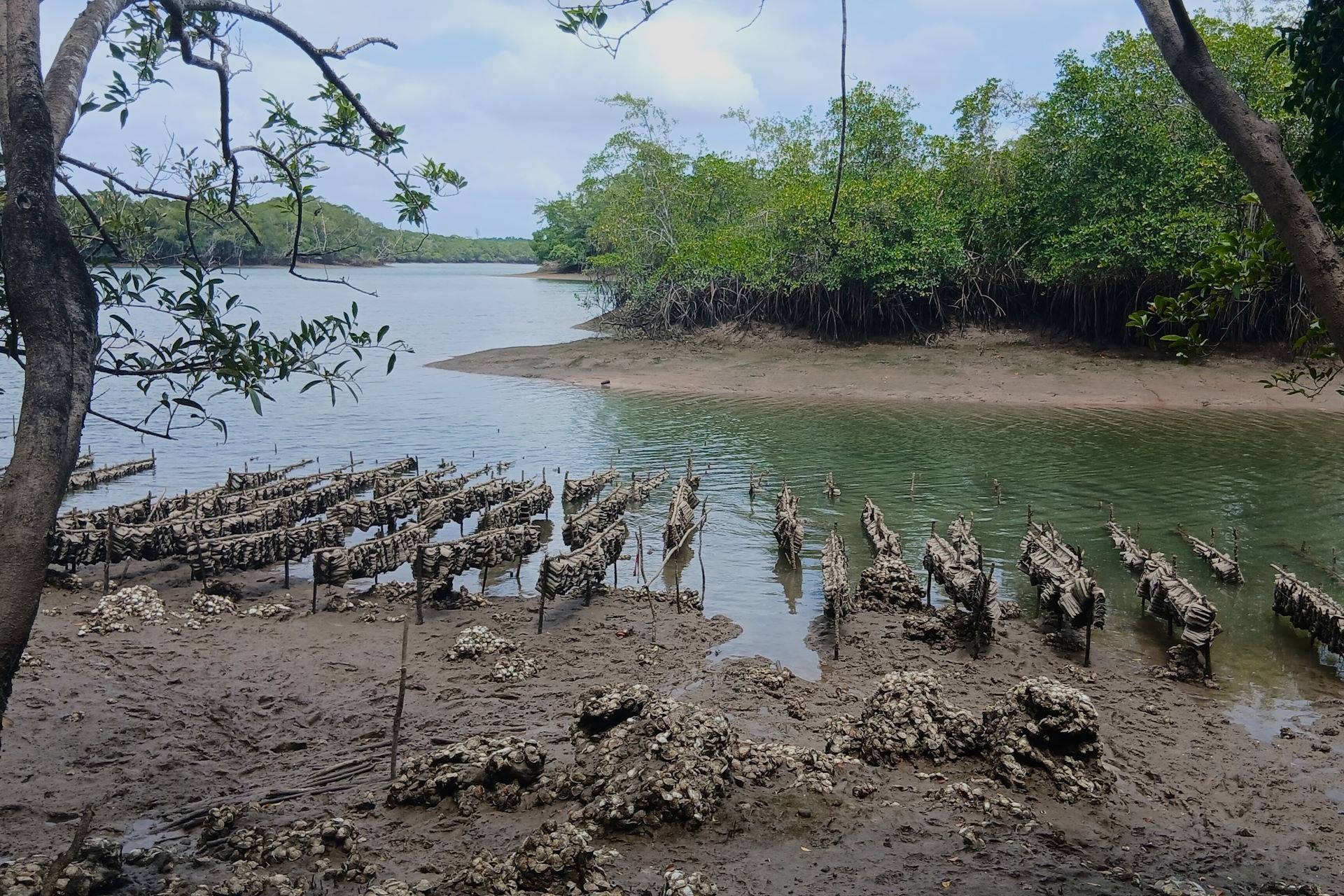
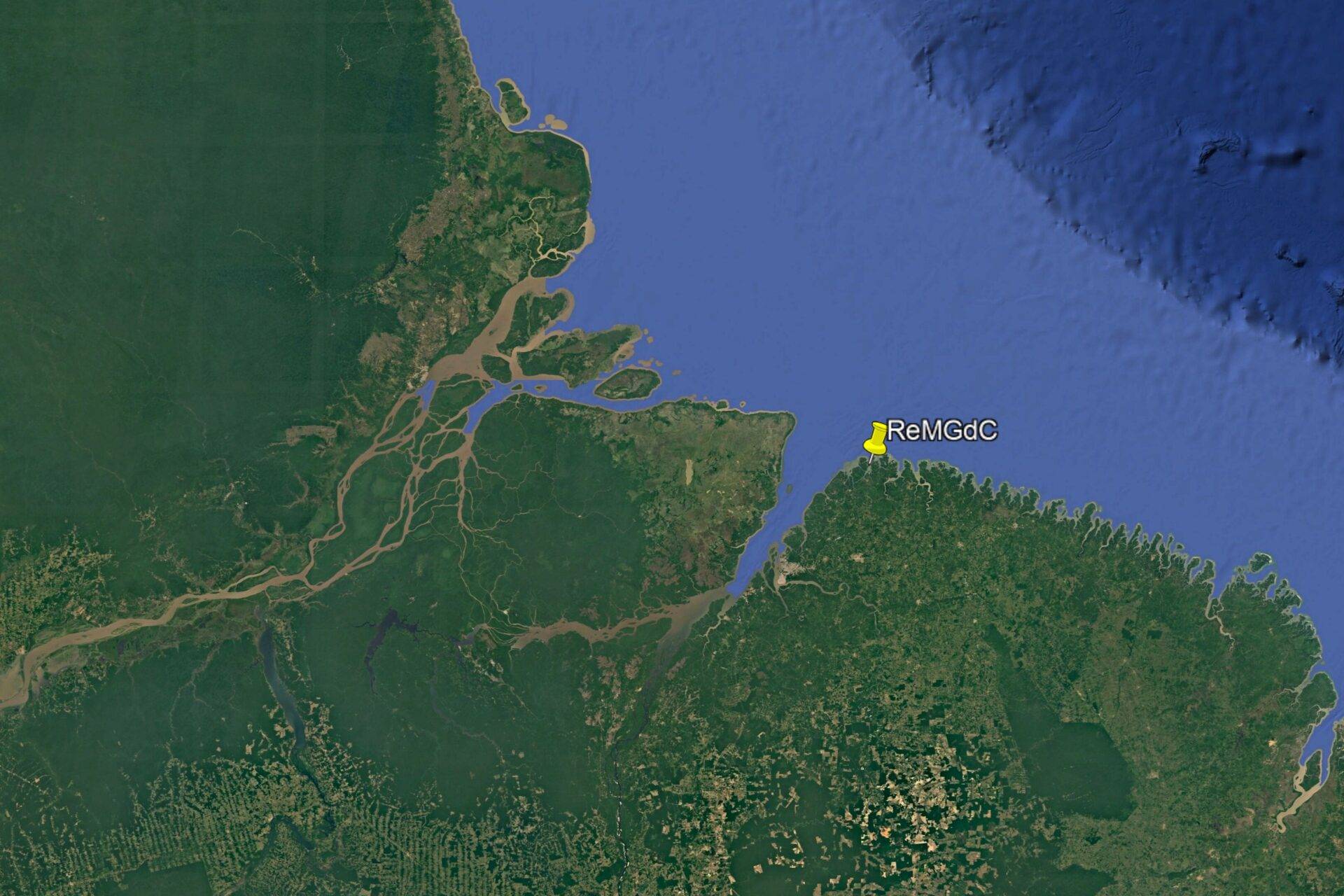
Belém (PA) — In the Salgado region of Pará, 140 km from Belém, residents protect part of one of the world’s largest contiguous mangrove forests — and the largest in Brazil. Here, traditional communities and federally designated extractive reserves, created in part to curb the advance of shrimp farming, work to preserve the landscape.
Among these reserves is Mãe Grande de Curuçá, its tortuous contours shaped by the tides and interspersed with discharge from Amazonian rivers. In this protected area, locals cultivate native oyster larvae on sheets of PET bottles recovered from within the mangrove.
The volume of oyster “seeds” produced has helped the species repopulate areas where it nearly vanished due to overharvesting. Today, the Aquavila association produces more than 6 million oysters annually, supplying Pará and other states.
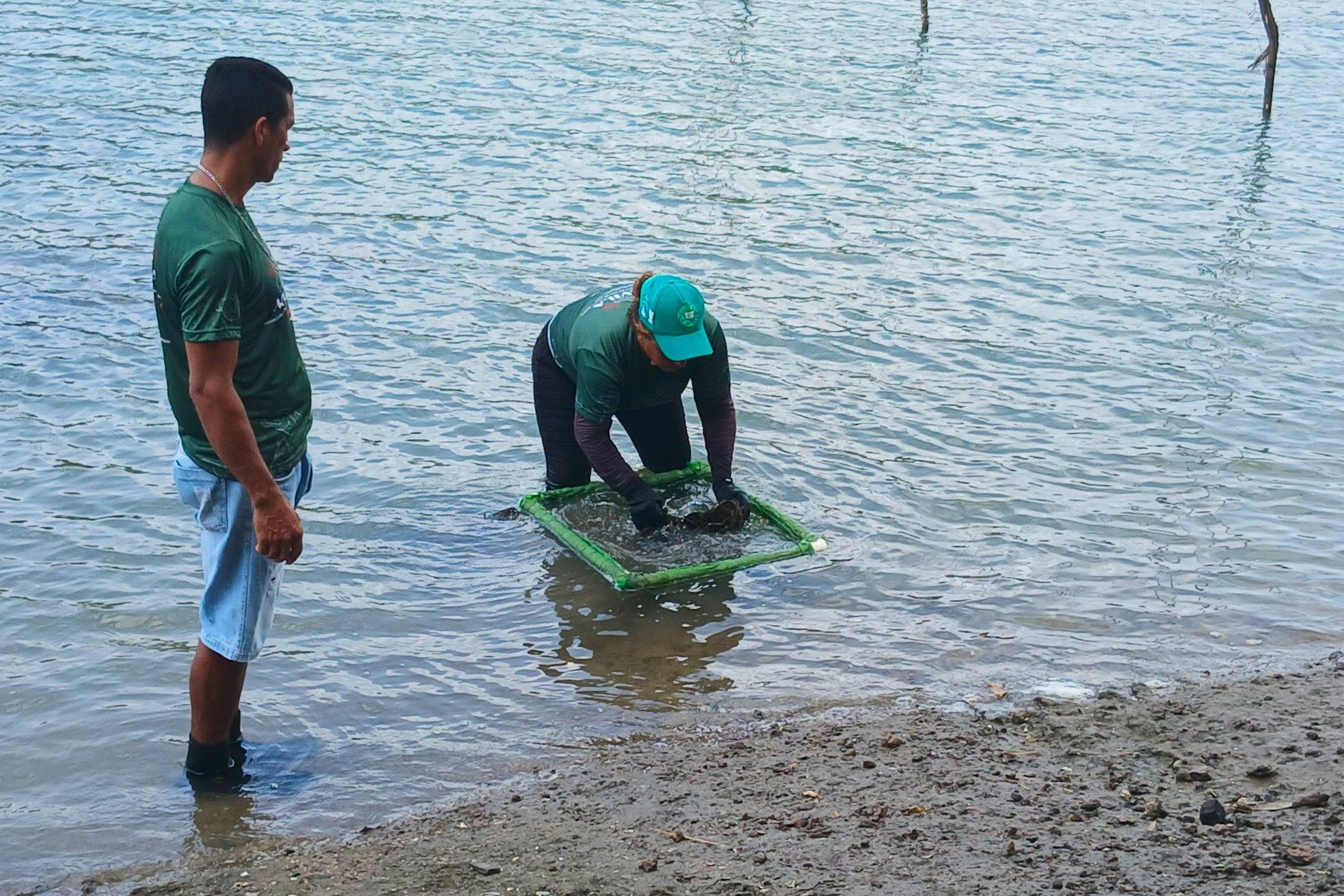
“I attended courses with marine biologists, and now I know everything about oysters,” said Elza da Silva Galvão, 73, a pioneer of the organization founded more than 20 years ago. “My life here is filled with happiness: I’m healthy, and I handle all the work exactly as it should be done.”
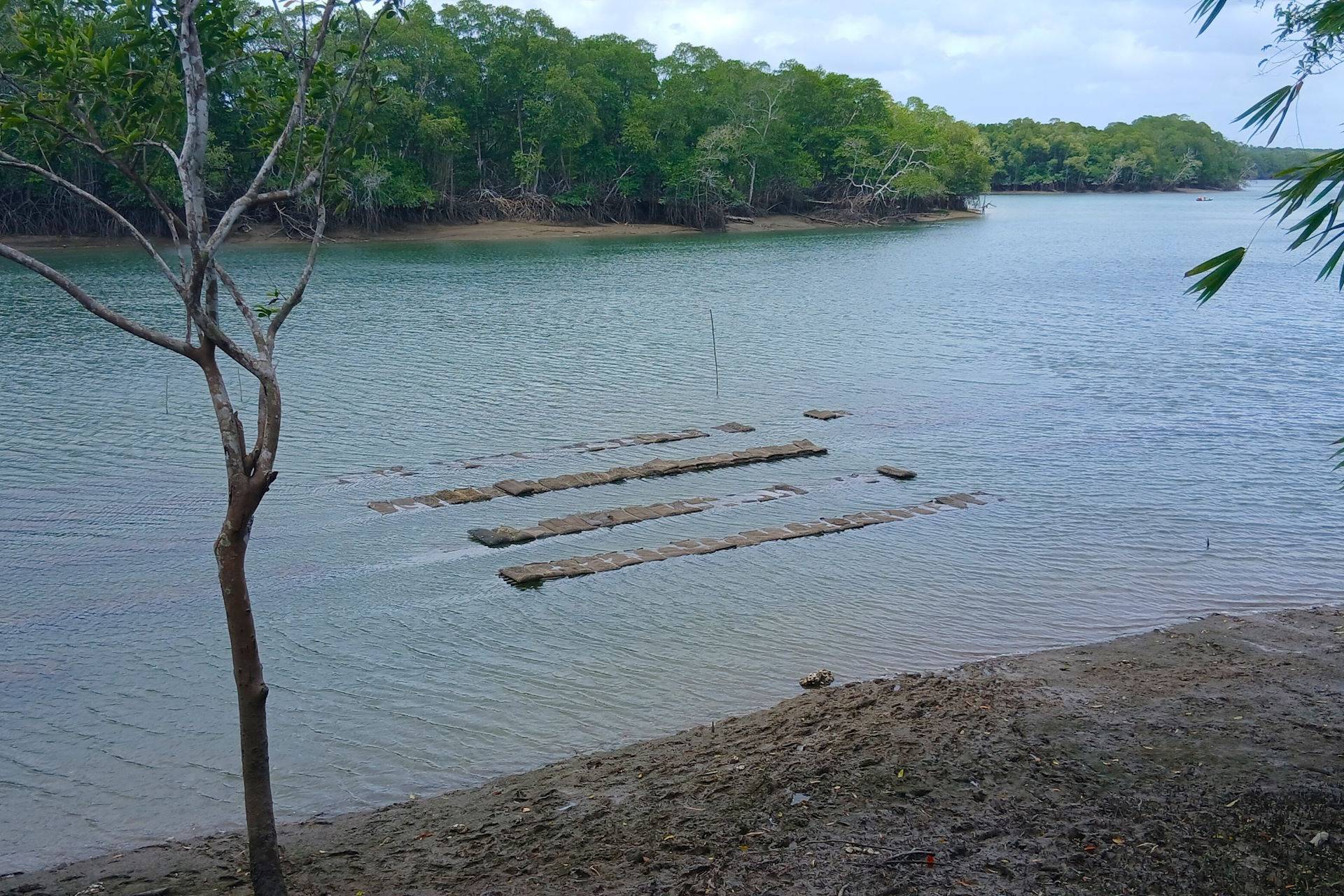
But this delicate balance between economic activity and conservation has been disrupted by climate change. Altered tides, shifting salinity, and high temperatures delay and threaten the “fattening” of the shellfish, which are grown on mesh “pillows” beneath river platforms that trace the contours of the mangrove. It can even kill them.
“During low tide, they’re exposed and become very hot. When the tide returns, the rush of water hits the oysters,” explained José da Silva Galvão, producer and Aquavila’s fiscal advisor. Members also fish and grow crops like acerola, passion fruit, collard, and pumpkin.
The traditions and livelihoods of extractivists and fishermen attract visitors from across Brazil and abroad, says Henrique Campos, Curuçá’s Secretary of Tourism. “This is sustainable tourism that weaves together the history and identity of these communities,” he said.
Blending tradition and technology
As threats to oyster farming, local families, and protected habitats escalate, traditional knowledge and new technology now combine to guide strategies for minimizing losses and confronting the current impacts of the climate crisis.
Every day, extractivists receive text and audio updates on their phones detailing tide patterns, temperatures, and water salinity for the next 24 hours. This data, assembled and sent by IAsmin—an artificial intelligence platform—draws on local expertise and government agencies.
“Understanding these conditions is crucial, for example, so that producers can move grow-out operations to saltier areas, thereby reducing production losses,” said oceanographer Renan Rosário of UFPA, who developed the system with support from ICMBio and NGOs like Rare.
To help more villages adapt to the climate crisis, similar initiatives are underway and set to expand to other conservation areas along the Pará coast. “It’s genuine, action-oriented resource management,” emphasized Rosário.
Another strategy to protect oysters takes advantage of the region’s mix of freshwater and seawater. At another spot in the mangrove, oysters are being grown attached to floats; staying submerged shields them from the heat and other environmental changes.
The looming threat of oil
Unpredictable climate patterns also worry the roughly 1,800 fishermen with Auremag (Association of Users of the Mãe Grande de Curuçá Extractive Reserve). Its president, José Garcia de Moraes, reports even once-abundant species like corvina and hake are becoming scarce.
“With dwindling fish stocks, some workers with larger vessels venture farther, sometimes as far as [neighboring state] Amapá or French Guiana, risking having their boats seized or destroyed for operating illegally,” he said.
But for these already vulnerable groups, whose livelihoods depend on the tides and mangrove health, an even greater threat looms: potential oil spills from anticipated exploration at the Amazon River’s mouth.
“When the wind blows, it drives river water into our conservation unit, carrying the threat directly to breeding grounds for various animals,” Moraes warned. “Such an event could devastate the mangroves and cripple vital processes that sustain our fisheries.”
As reported by ((o))eco, in October—just 20 days before COP30—state oil company Petrobras received approval from Ibama to drill an “exploratory well” in the region near the mouth of the Amazon. Tests on oil spill dispersion are included in the licensing plans.
A belt of coastal extractive reserves
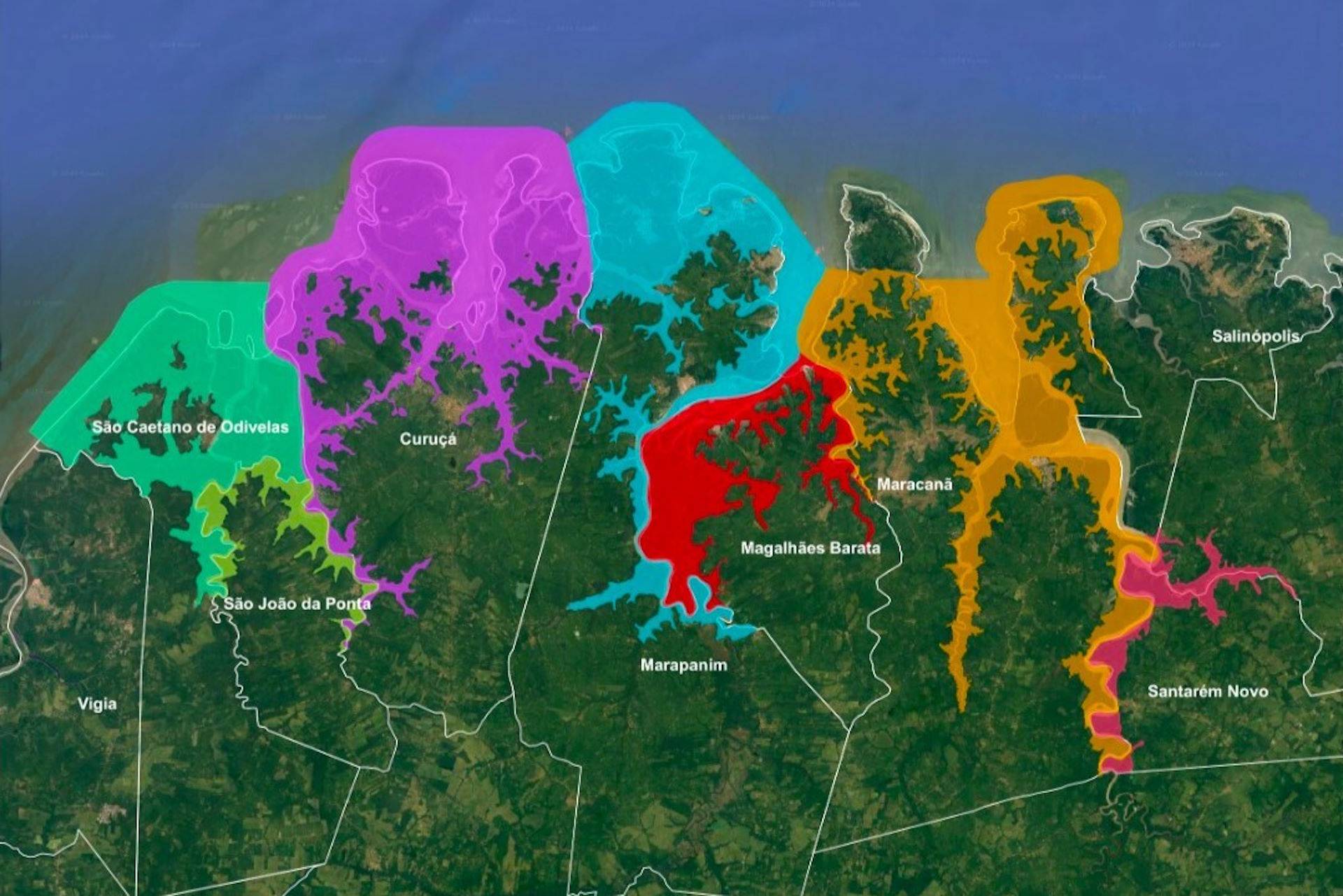
Mãe Grande de Curuçá is one of 14 federally protected extractive reserves along Pará’s coast, established since the early 2000s. Together, these ICMBio-managed areas cover nearly 4,500 square kilometers—triple the size of the city of of São Paulo.
These reserves safeguard mangroves, local territories, and extractivist traditions. They have curtailed shrimp farming—a practice that elsewhere in Brazil destroys and pollutes mangroves, alters water salinity, erases biodiversity, and conflicts with artisanal fishing.
Despite their undeniable ecological role, resex and other conservation units in the Amazon are also facing rising temperatures, changing rainfall, and other effects of the climate crisis. “Climate change is real—there’s no more debate,” said Rosário.
This government’s term began amid extreme conditions: extreme drought in the Amazon and flooding in the south of Brazil led to the deaths of many animals, environmental destruction, greater fire risk, and left traditional communities in crisis, sometimes relying on outside aid even for water and food.
“We’re seeking Amazon Fund resources to research and implement strategies to help conservation units adapt to climate change,” said Carla Lessa, ICMBio’s regional manager in the Amazon.
*This ((o))eco report was produced at the Mãe Grande de Curuçá Extractive Reserve at the invitation of ICMBio (the Chico Mendes Institute for Biodiversity Conservation).
This article was produced by ((o))eco, through the Socio-environmental Collaborative Coverage of COP30. Read the original in Portuguese here.
-

Aldem Bourscheit
Jornalista cobrindo há mais de duas décadas temas como Conservação da Natureza, Crimes contra a Vida Selvagem, Ciência, Agron... →
Se o que você acabou de ler foi útil para você, considere apoiar
Produzir jornalismo independente exige tempo, investigação e dedicação — e queremos que esse trabalho continue aberto e acessível para todo mundo.
Por isso criamos a Campanha de Membros: uma forma de leitores que acreditam no nosso trabalho ajudarem a sustentá-lo.
Seu apoio financia novas reportagens, fortalece nossa independência e permite que continuemos publicando informação de interesse público.
Escolha abaixo o valor do seu apoio e faça parte dessa iniciativa.
Leia também

The Brazilian Government Seeks to Advance Discussion on Ending Fossil Fuels at COP30
According to Marina Silva, the government wants to leave Belém with a “kind of mandate” to outline the roadmap. Germany, Denmark, and the United Kingdom support this →
March in Belém Warns of the Risks of the Climate Crisis to Public Health
The slogans emphasized the direct connection between these two agendas, which mainly impact the most vulnerable populations →
Water crisis in the Amazonas State: when decades of neglect meet a climate emergency
In the world’s largest river basin, millions live with empty taps or unsafe water. →