


Water crisis in the Amazonas State
when decades of neglect meet a climate emergency
In the world’s largest river basin, millions live with empty taps or unsafe water. This joint story by the Brazilians Vocativo and O Eco shows how persistent failures in urban and rural supply — now compounded by global warming — create the paradox of thirst amid giant rivers. It is a warning for the future of the Amazon forest and the people who live there.
Story by Fred Fred Santana | Vocativo
Edition by Aldem Bourscheit | ((o))eco
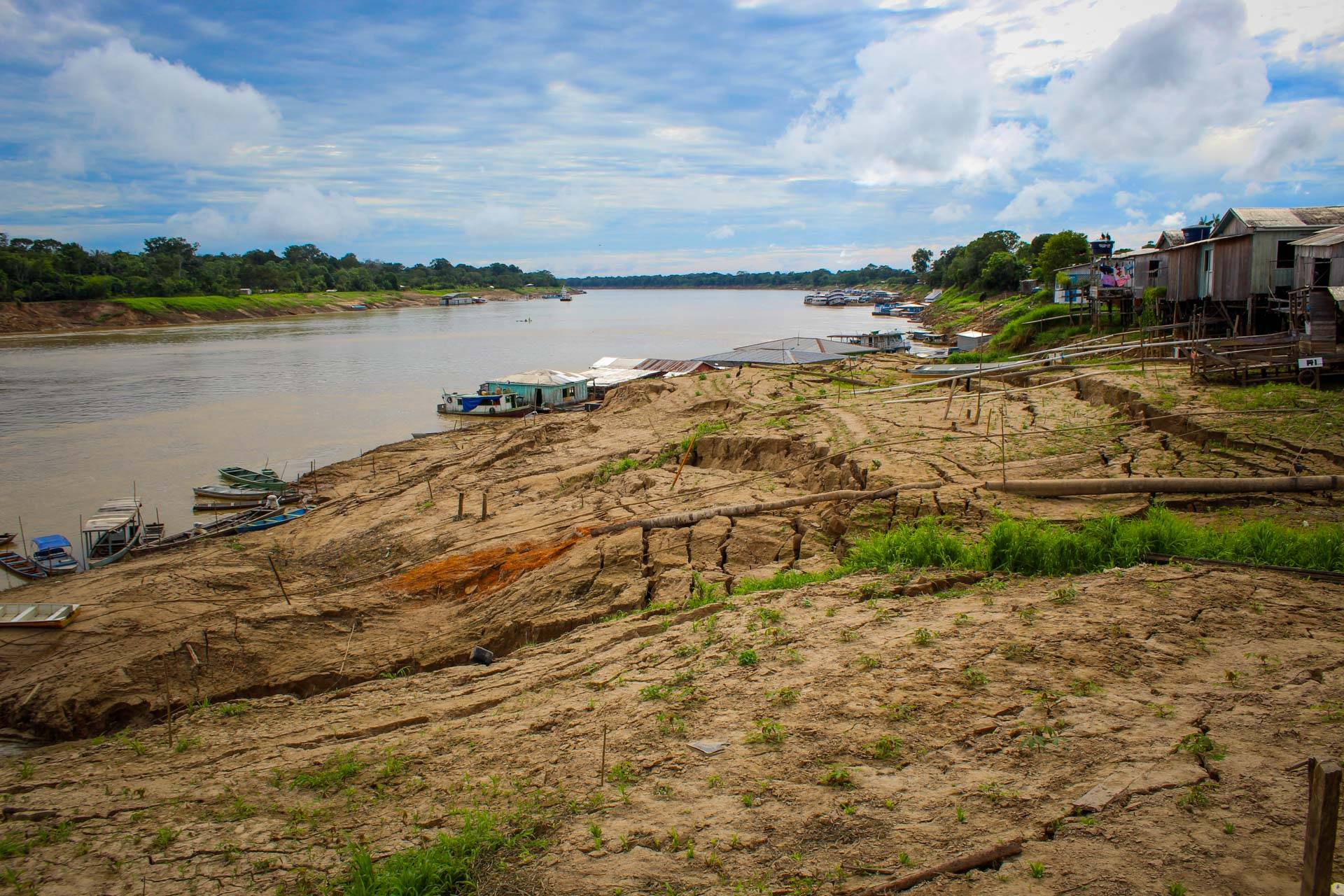
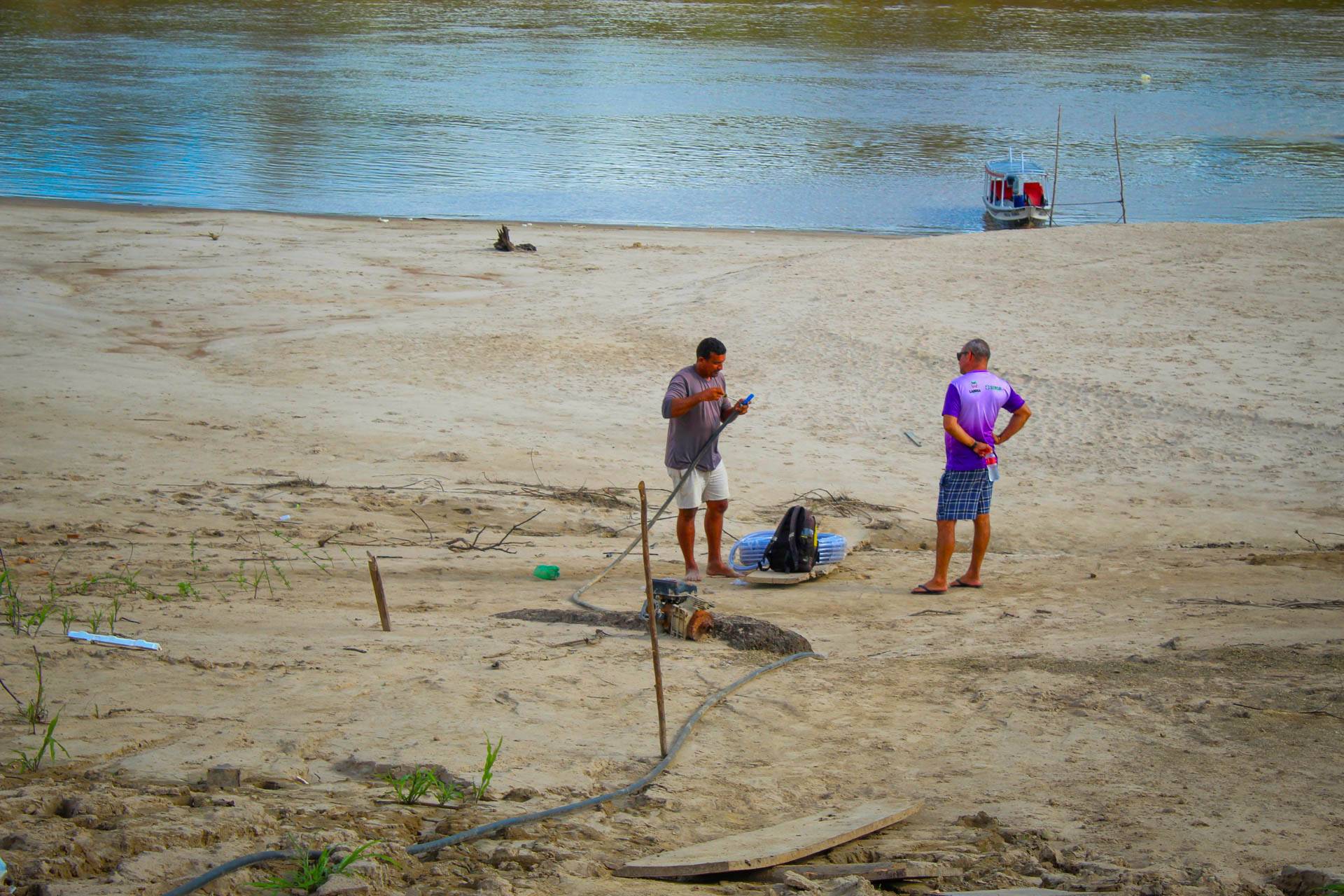
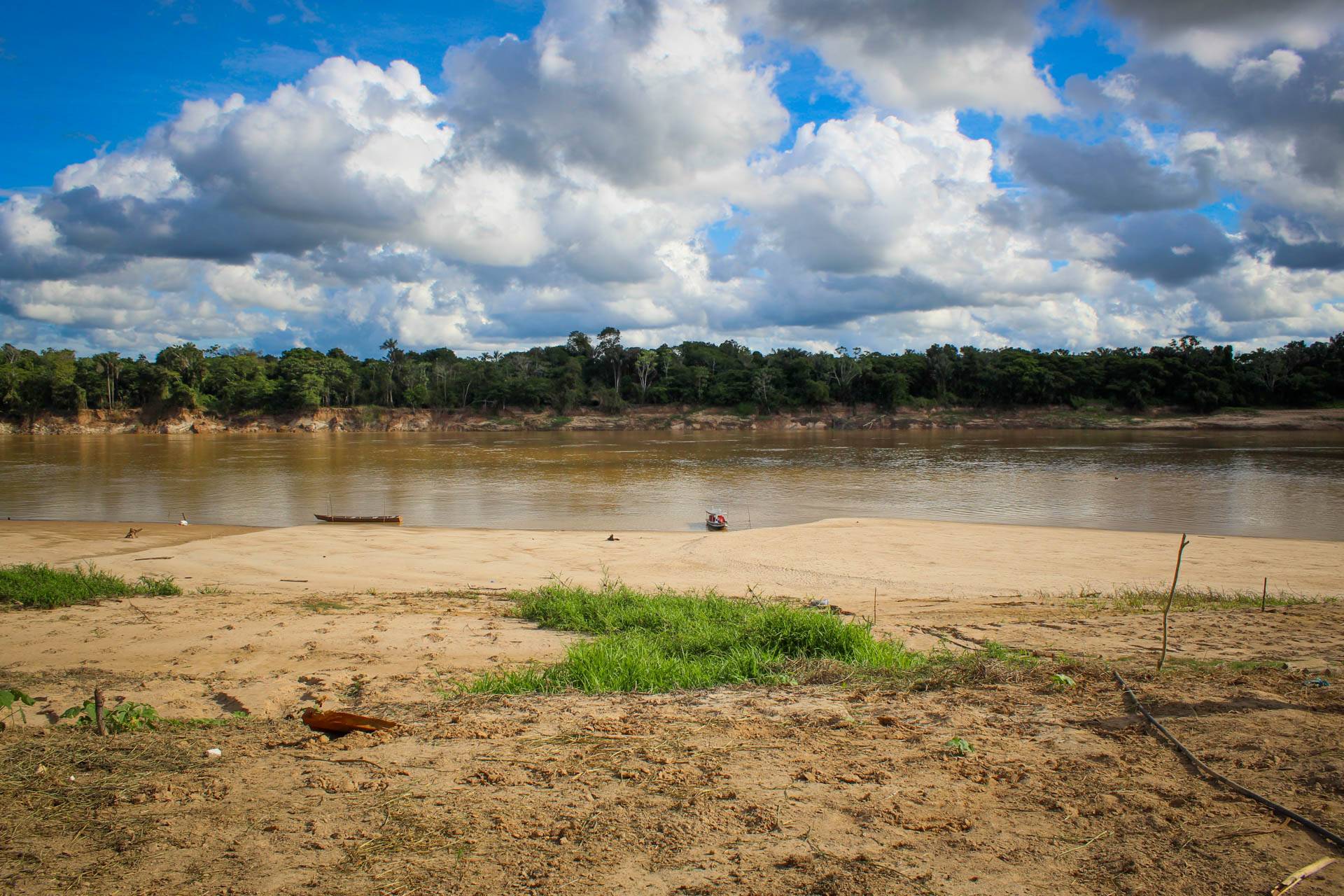
It was an unusually hot Monday in June when I joined Carlos Prado, head of the Clean Water project, to visit Barranco do Bosque in the Lábrea municipality, around 800 km south of the capital Manaus. The team’s task: extend a hose to pump Purus River water to a treatment unit serving about 50 families and a school. On arrival, the existing pipe no longer reached the river – and even an extra 10 metres of hose brought in a rush still fell short. In mid‑year, before the dry season, that was a troubling surprise.
Scenes like this expose Amazonas’ state paradox: a state with unmatched freshwater wealth yet home to millions dependent on unsafe sources, exposed to disease and trapped in a system that lags behind urban growth. Where water abounds, water is missing.
This story was produced through the Sala Colaborativa Reporting Grant, promoted by Ajor (Association of Digital Journalism), in partnership with InfoAmazonia and with support from the Serrapilheira Institute. The project aims to strengthen socio-environmental journalism guided by scientific evidence to inform decisions, generate real impact, and strengthen public dialogue on climate and environmental challenges.
According to 2024 estimates by the Brazilian Institute of Geography and Statistics (IBGE), the state has 4.28 million inhabitants. Only 52.6% are served by two utilities: Águas de Manaus (about 2 million people in the capital) and the Amazonas Water and Sewerage Company (Cosama), which serves around 250,000 residents across 15 inland towns.
That leaves over 2 million residents – 47.4% of the population – without continuous coverage by either company, relying on informal self‑provision or municipal services.
A review of basic‑sanitation indicators shows that although most municipalities report high urban coverage, inconsistencies cast doubt on service quality. A study in Contribuciones a las Ciencias Sociales, using Brazil’s National Sanitation Information System (Sinisa) data up to 2022, concluded that water infrastructure still falls short of safe, universal access.
Among 48 municipalities reporting urban coverage, the average was 87.96% and 25 claimed 100%. Yet places like Coari, Manicoré, Parintins and Tabatinga fell below 90% in some cases – revealing major disparities.
Per‑capita consumption reported by 49 municipalities had a average of 142.84 litres per person per day, with some far below 100 litres and others well above, suggesting measurement or reporting issues that impair assessment.
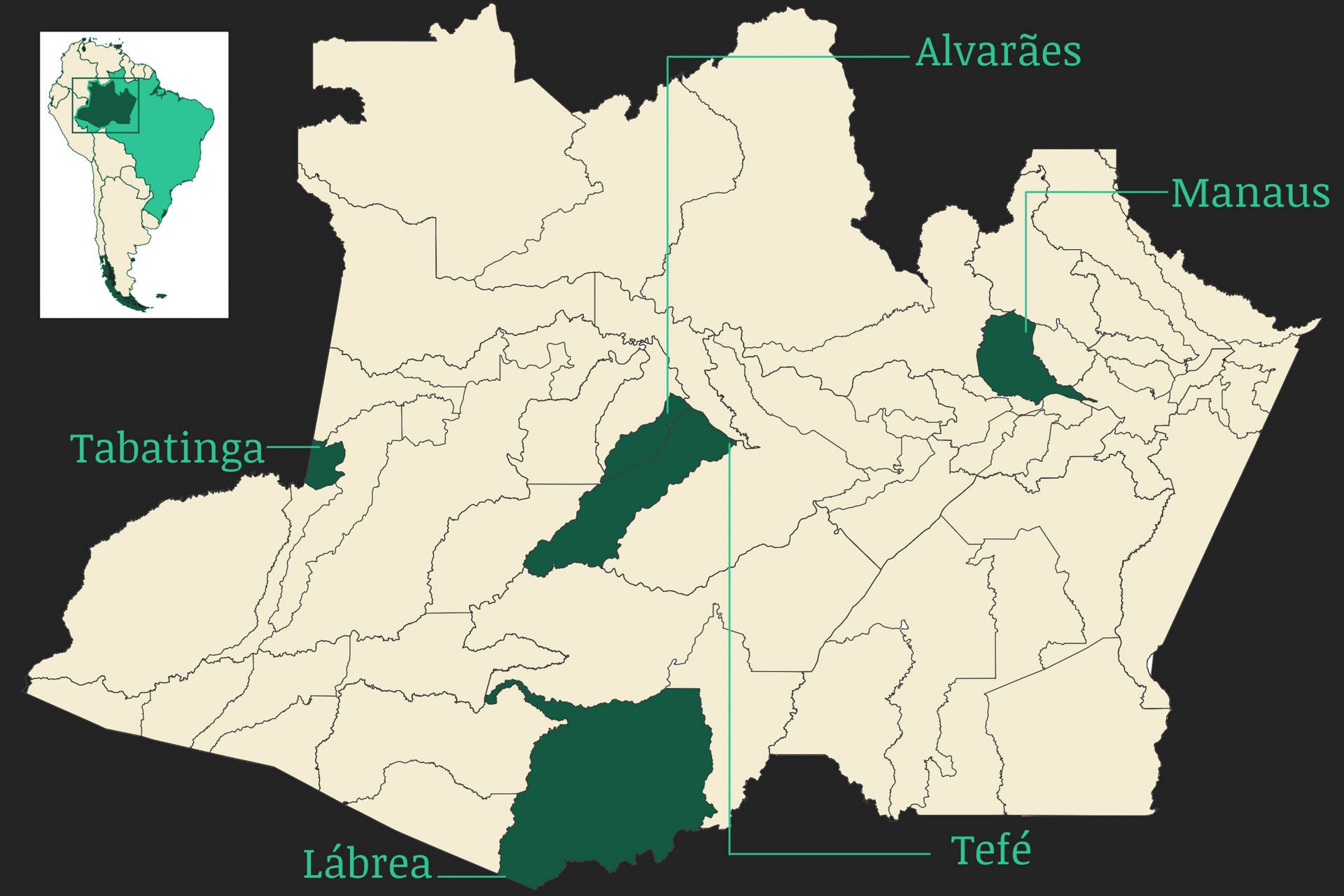
Vocativo gathered testimonies in the municipalities of Lábrea, Tefé and Alvarães, plus Manaus, documenting the scramble for safe water amid the absence of effective public policy and rising climate threats.
Decades of neglect
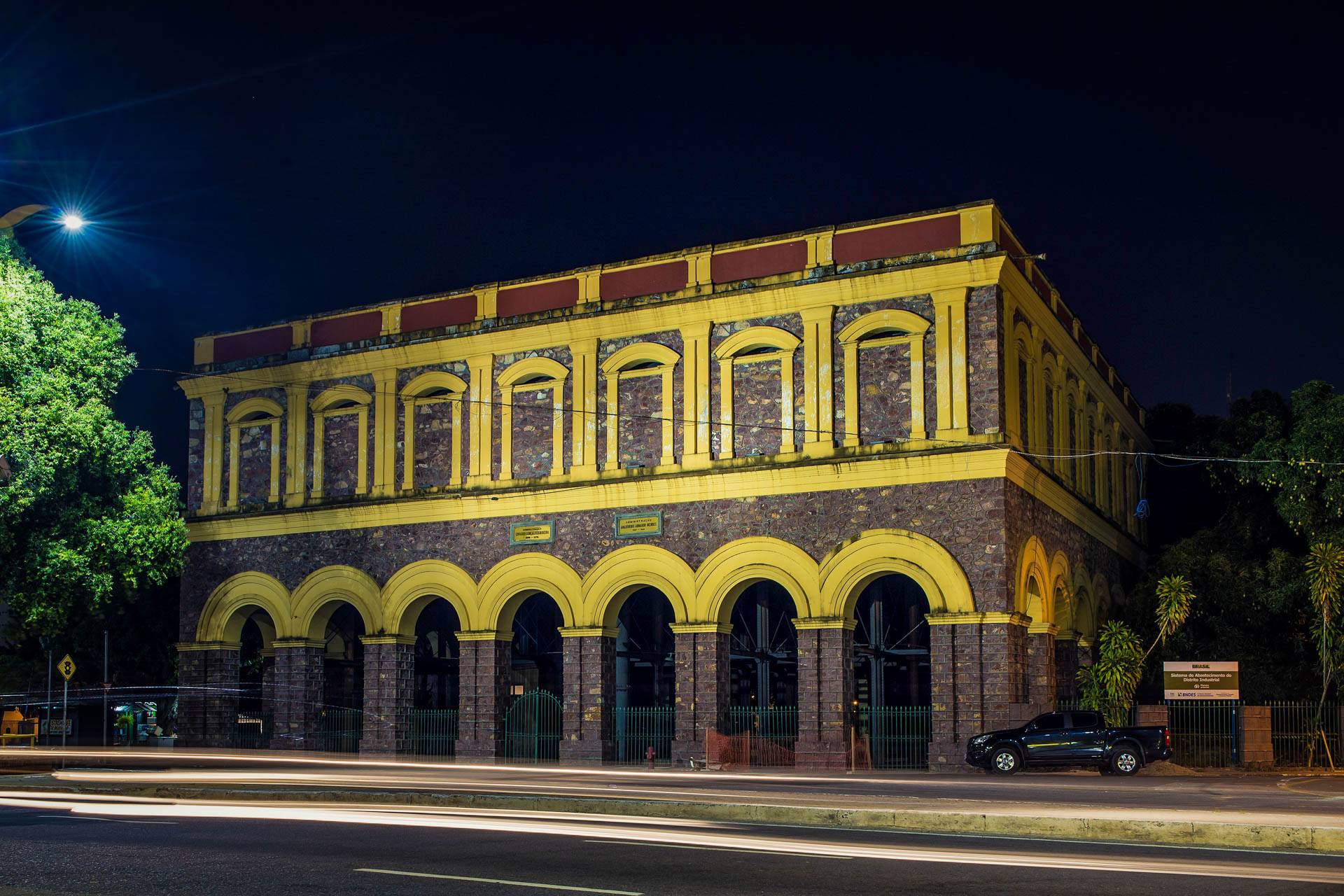
Modern sanitation in the Amazonas begins in Manaus. The Mocó Reservoir, inaugurated in 1899 during the rubber boom, marked the first large‑scale piped supply. Even then, coverage remained largely limited to the capital for decades.
By the 2010 Census, 60% of the rural population still drew water from rivers, streams, lakes or ponds, and only 10% had network supply. Cosama was created in 1969 to operate services in Manaus and nearby towns. In 2000, Manaus’ service was privatised; the interior stayed under public control.
Today, supply reflects entrenched inequality. Despite small advances – piped‑water coverage rose from 64.5% (2010) to 66.0% (2022) – the state ranks 23rd in Brazil. Manaus performs better but shows stagnation in network reach (76.2%) and tariffs 18.6% higher than the national average.
In the interior, the picture is worse: in nearly half the municipalities, piped water serves under 70% of households; in some, not even 50%. While 93.4% of households claim some form of “piped water”, this masks sharp gaps between urban areas (near universal) and rural areas (only 54.7%).
Short supply and poor quality
Water quality for human consumption in Amazonas underwent a broad scientific review published in 2024 in Ciência & Saúde Coletiva (the journal of the Brazilian Association of Collective Health — Abrasco). Analysing 185,528 samples (2016–2020) across 11 micro‑regions, researchers found serious failures in chemical, physical and microbiological parameters—posing risks to public health and food security.
Most samples (93.20%) were urban. A key finding: a large share had pH below Brazil’s recommended 6.0 – 9.5 range—making water more acidic, increasing pipe corrosion, altering taste, leaching metals and heightening contamination risk.
Microbiology was worse in rural and traditional communities, with higher total coliforms and Escherichia coli—indicators of faecal contamination and diseases such as diarrhoea, hepatitis A, typhoid and parasitic infections. Improper storage in open, unhygienic containers also contributes to risk.
The ‘universality of precariousness’ in Manaus
Manaus’ scarcity problem amid vast freshwater has long drawn scrutiny. Jesuit priest Sandoval Alves da Rocha — coordinator of the Amazonas Water Forum and PhD in Social Sciences at the Pontifical Catholic University of Rio de Janeiro (PUC‑Rio) — authored the thesis “The struggle for water in the Amazon: challenges and contradictions of access in Manaus.” He spoke with Vocativo at his home in south Manaus.
Privatisation emerged as a supposed miracle solution. On 4 July 2000, under Governor Amazonino Mendes, Manaus’ water and sanitation system was privatised with the sale of Manaus Saneamento S.A., a Cosama subsidiary. Rocha argues the state had been run down to make the sale inevitable. The asset, valued at around R$486 million (US$ 90 million), was sold for roughly R$ 193 million (US$ 36 million) to the French Lyonnaise des Eaux (Suez) — a nearly 60% discount that prompted criticism and inquiries.
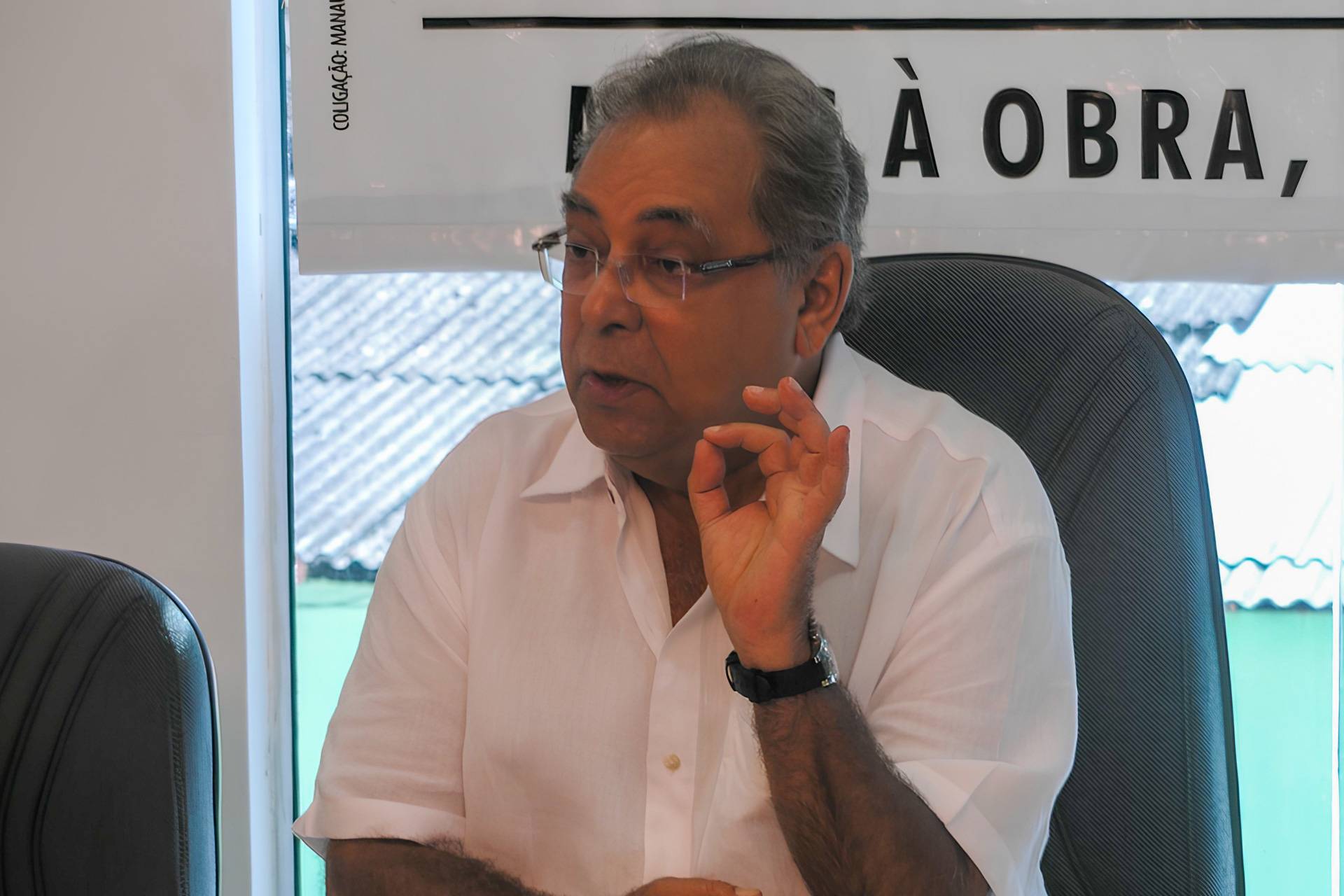
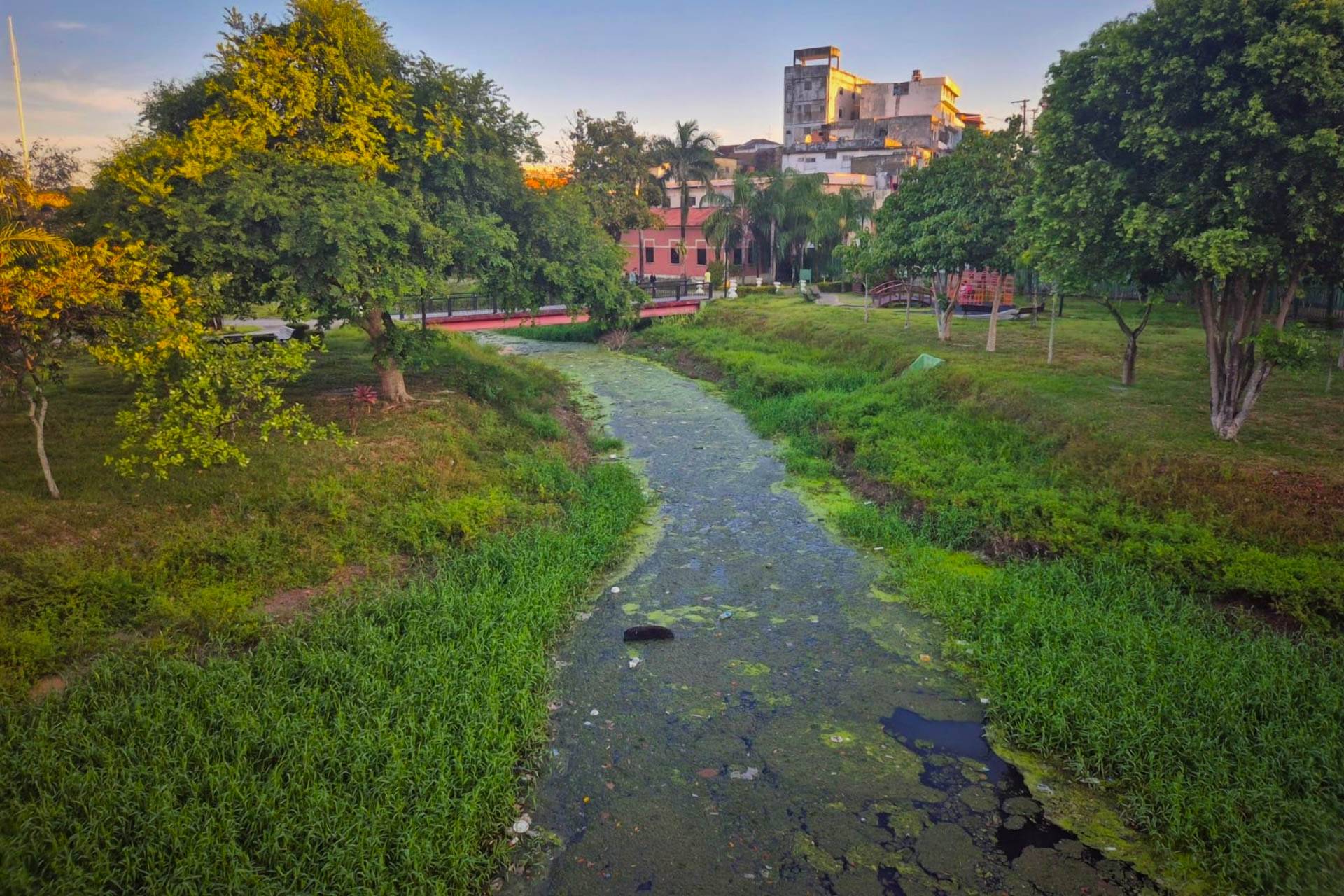
Operating as Águas do Amazonas, the concessionaire pledged major investments but failed to meet targets. Public funds covered basic works, such as the Ponta da Lajes treatment plant — R$ 365 million (US$ 68 million). The interior was excluded from the privatisation, deepening inequality. In 2012 the operator changed to Manaus Ambiental (Águas do Brasil and Solví) and the concession was extended to 2042. Yet in 2023 only about 12.5% of sewage was treated; the rest flowed into rivers and streams. Complaints about outages and high bills persisted.
In 2018, Aegea Saneamento e Participações S.A. acquired control of Manaus Ambiental and Rio Negro Ambiental, estimated at R$ 800 million (US$ 149 million). In 2025, Aegea fully assumed operations as Águas de Manaus. Terms of the latest deal were not disclosed.
Investigations into poor service quality
Privatisation never translated into efficiency. Three parliamentary commissions of inquiry (CPIs) probed the utility over 25 years — two at the Manaus City Council (CMM) in 2005 and 2023, and one at the Amazonas State Legislative Assembly (ALEAM) in 2023. Despite inquiries and public outcry, changes were largely financial and bureaucratic. Rocha links this to the capture “of politicians by corporate interests”.
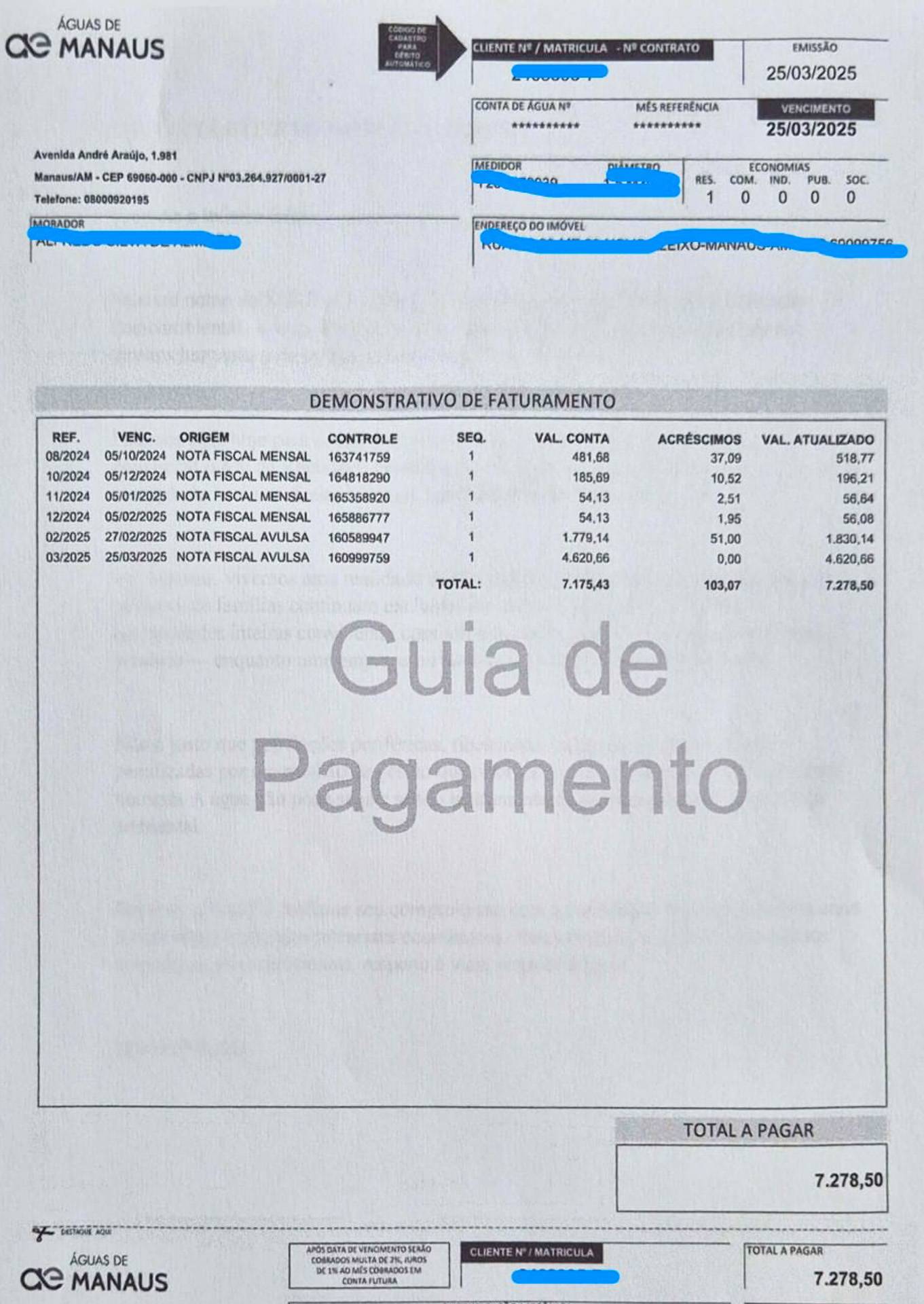
At a Water Forum press event, Sares (Serviço Amazônico de Ação, Reflexão e Educação Socioambiental) member Mary Nellys exposed a case where the company refused a name change on an account after her mother’s death until alleged arrears of R$ 7,278.50 (US$ 1.350) were paid — amounts unaffordable for many households.
“There’s no way to get the water reconnected without paying that amount. And what can we do? We have to negotiate, right? That’s what we tried. But when it came time to negotiate, they asked for a large down payment to cut at least half of the debt, something we just don’t have,” explained Mary, distressed.
According to a 2024 survey by Brazil’s National Consumer Secretariat (Senacon) of the Ministry of Justice and Public Security (MJSP), Águas de Manaus ranks third among companies with the most complaints at the Consumer Protection Programme (Procon) in Amazonas.
Resistance in Colônia Antônio Aleixo
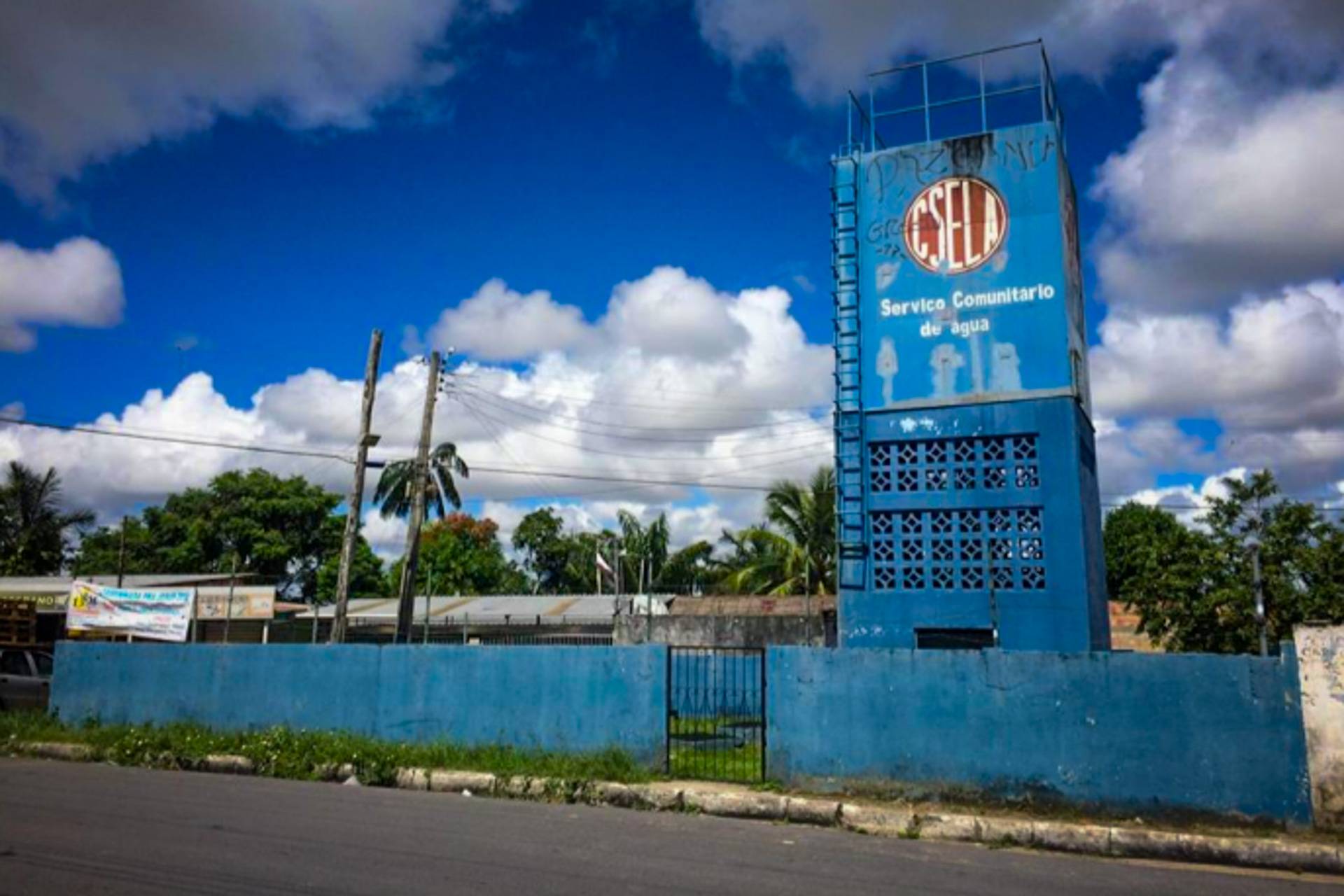
One place in Manaus rejects water privatization: Colônia Antônio Aleixo, in the east zone. Born in the 1930s to house “rubber soldiers” from Brazil’s Northeast, its wooden pavilions were repurposed in the 1940s as a leprosy colony.
In 1942, physician Antônio Aleixo, invited by Menandro Tapajós, took charge; the area became an isolation site until the leprosarium was deactivated in the 1970s. Urban consolidation followed with the opening of the old Estrada do Aleixo (now André Araújo Avenue), linking it to downtown.
Water defines the neighborhood. On the banks of the Rio Negro and ringed by “igarapés” (forest streams) and lagoons, it fostered a grassroots resistance to privatization led by Father Ludovico Crimella, who drilled the first artesian wells in the early 1980s.
“The experience is no longer run by the Church,” says researcher Sandoval Alves Rocha. “Seven associations now manage sectors of the neighborhood. The water system is run by residents. I met longtime residents affected by Hansen’s disease who remember building the entire system with their own hands.”
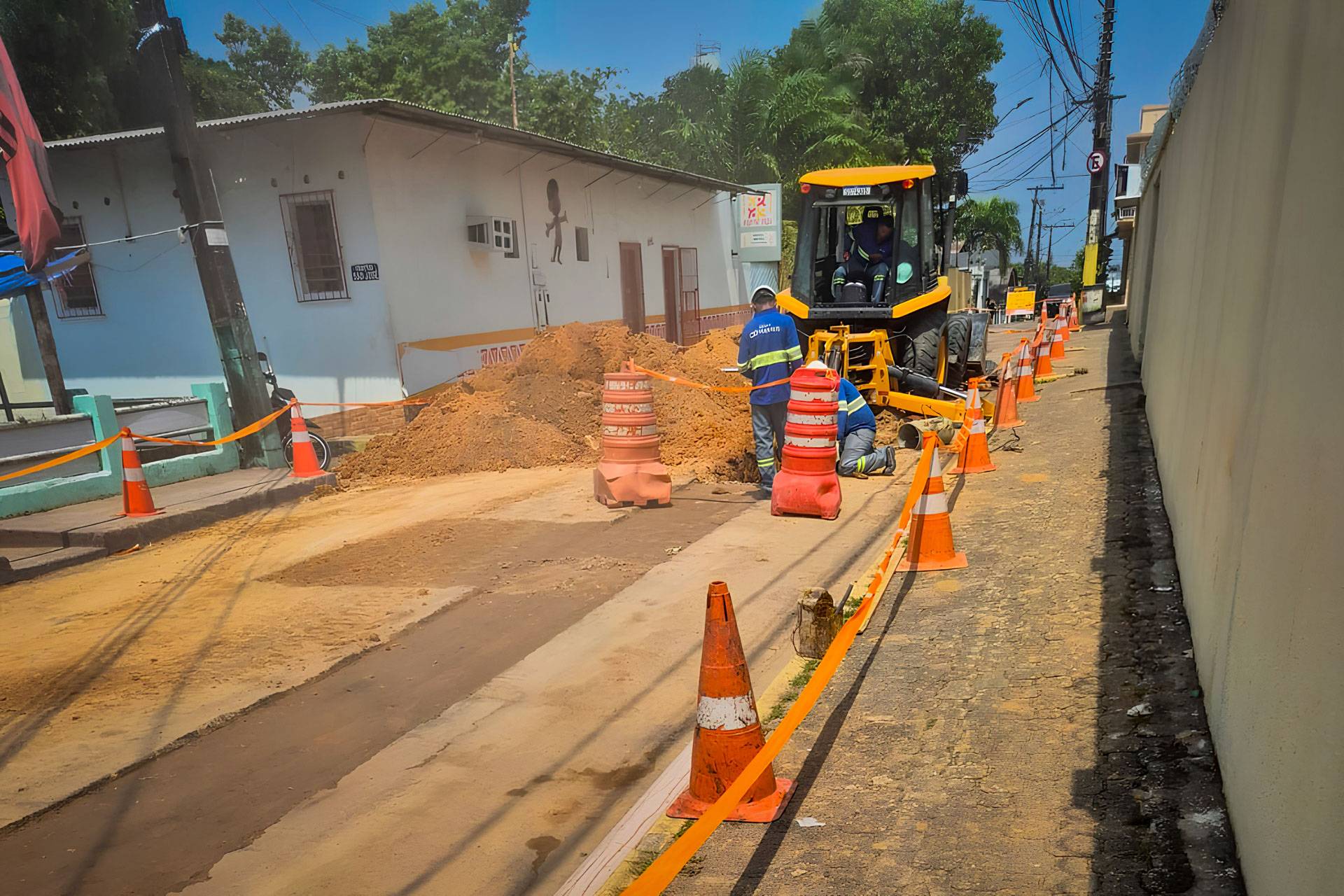
Distrust of the private utility Águas de Manaus runs deep. “Residents don’t want the company here because they see complaints elsewhere — abusive rates, broken mains, shoddy repairs. The company digs up sidewalks and leaves holes. When privatization is mentioned, people mobilize to stop it,” says the Jesuit priest.
Cooperation is standard. “Management responds to real needs. If someone can’t pay, there’s negotiation — community service for the neighborhood, for example. With a private company, that won’t exist. Either you pay, or you’re cut off,” Father Sandoval says.
The harsh face of ‘sub‑citizenship’
In the thesis “The Struggle for Water in the Amazon,” Rocha uses the concept of “sub-citizenship” to explain how the population of Manaus — especially in the outskirts — is treated by public authorities and private water companies. The term, inspired by sociologist Jessé Souza, former president of Ipea (Brazil’s Institute for Applied Economic Research), describes citizens who, though formally entitled to rights, are systematically denied them—particularly the right to clean water.
“For some reason, people resign themselves and even see themselves as inferior, as if they didn’t deserve a better life, as if full citizenship were beyond their reach. It’s no wonder our city councilors are terrible. They don’t truly represent the community’s interests,” laments Rocha.
In Manaus, unequal water supply creates a divide between those who can pay and receive regular service and those excluded from it—treated as “second-class customers.” According to the Jesuit priest, this logic turns the human right to water into a privilege for a few and reinforces the idea that hardship is the natural fate of the poor. This becomes even more evident in smaller towns across the Amazon visited by the Vocativo.
Lábrea
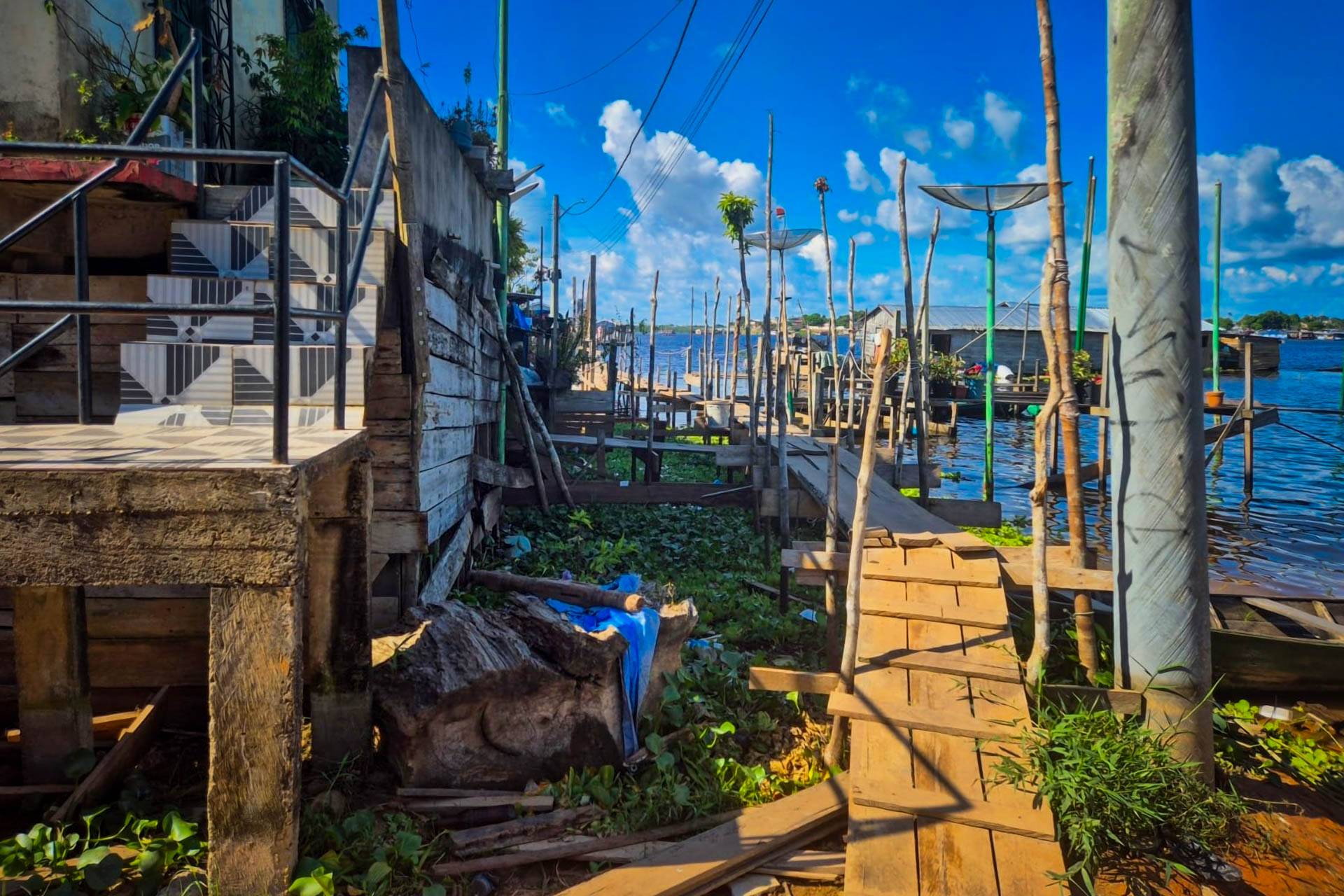
In Lábrea, poor management and the absence of proper treatment lead to pollution and water waste, a situation worsened by seasonal shortages. “There’s a line under the pier here, but it’s not very healthy water. At home, when we can, we buy bottled water; when we can’t, we drink it as is. We add a glass of hypochlorite and drink,” says self-employed vendor Maria Zanira, who lives at the Beira-Mar pier in the city’s north.
A 20-year resident of the Sheik pier in central Lábrea, carpenter Laércio Silva describes a common workaround across Amazonas: artesian wells in the absence of state-run distribution. “We use a neighbor’s well, but now the water has a problem because the flow isn’t strong. So we’re only using water from Cosama (the Amazonas State Water and Sanitation Company), which draws from Largo Preto [west Lábrea],” he says. The state supplier’s water, however, disappoints. “Its color is different. We’ll look for another well while our neighbor’s is down,” Silva explains.
Grocery store owner Manoel Ramalho Serreira, a 42-year resident of the Sheik pier, says residents’ water began mixing with sewage after a Cosama works project, triggering a wave of illnesses. “Our water comes from a well and drains together with Cosama’s sewage into the Água Preta stream. Cosama spliced the pipes, and the water turned awful and is making people sick,” he warns.
Manoel says symptoms like diarrhea, headaches, and fever are common when people drink water that doesn’t come from an artesian well. “We showed City Hall the problem in this creek, but they don’t clean it, don’t maintain it. So it falls on us who live here,” he recalls. According to him, the only public action to improve water quality is distributing sodium hypochlorite to residents.
While speaking with the reporters, Manoel insisted on showing a sample of the local water. At times, he says, the quality gets even worse — good only for cleaning. “We set it aside, just to throw it on the floor,” he says.
Improvisation is another constant in Lábrea’s search for water. Retirees Maria Calafente da Silva and Aldemir Hilário da Silva, who live in Vila Falcão in the north of the city, once used pumps to bring water into their homes. Today, like much of the city, they rely on wells and live with frequent waterborne diseases.
“It was City Hall that arranged these two wells for our street. So we don’t use that water for drinking. Some time ago I did, and I spent a week in the hospital, sick. I thought I was going to die,” Aldemir recalls.
Tefé
The city of Tefé, on the banks of the Solimões River (upper Amazon), 500 km from Manaus, has a long record of low water-supply coverage. In 1954, only 15% of residents were served by public systems, and well drilling in the 1980s wasn’t enough. The 2022 drought left about 3,000 people without water, and last year Lake Tefé fell to critical levels—captured even by satellite.
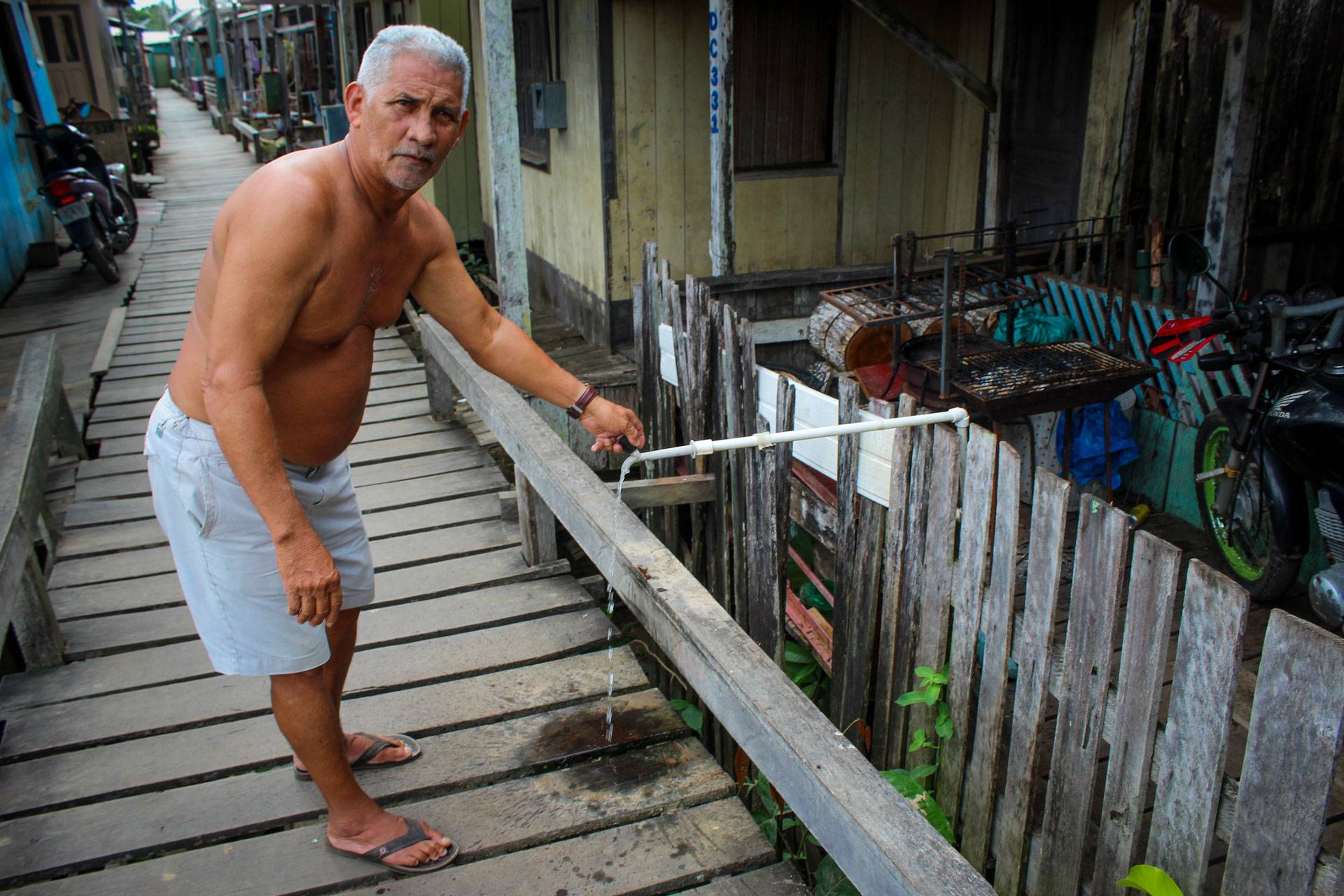
“The water comes dirty all the time. We make little use of it and waste a lot because we open the tap, see it’s yellow, and wait for it to clear,” says carpenter Aldenor Neves Ramos, who lives in Ponte Boa, in the city’s north.
“This water is only good for bathing and washing some clothes. White clothes don’t get clean—they turn yellow. Our tanks are cleaned every week because everything yellows,” Aldenor laments. He also reports symptoms like diarrhea when he drinks water supplied by Tefé’s Seae (Serviço de Água e Esgoto Autônomo, the municipal Autonomous Water and Sewer Service), which only serves the downtown area. The only nearby place offering drinking water is the Lourival Pires UBS (Unidade Básica de Saúde, a Primary Health Care Unit).
Without that option, shopkeeper Marinele Dias, who lives on the shores of Lake Tefé in the south of the city, relies on carbon filters to make water drinkable. Supermarket owner Manoel Haroldo da Silva criticizes not only the water quality but also the price charged by SEAE. “The water is terrible. It gets yellow with rust. They charge R$ 30 (US$ 5.6) per family and deliver a lousy service,” he says.
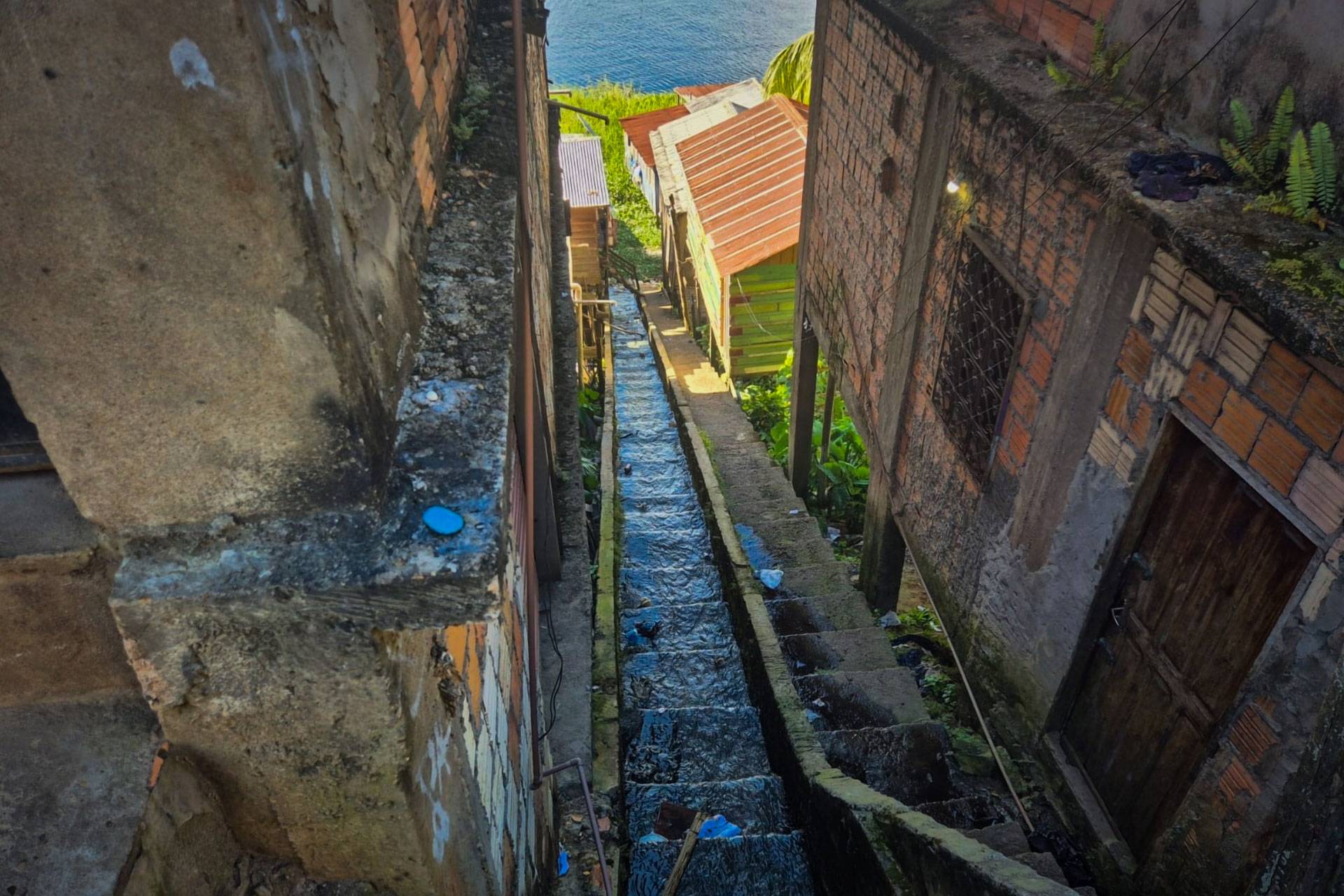
Located about 17 km from urban Tefé, the Agrovila Community emerged in the late 1990s as families organized in search of land, housing, and better living conditions. Between 1997 and 2007, residents won gains through collective action, leading to a school and closer links to city services.
Agrovila has long faced severe infrastructure problems, especially road access — vital for school transport and moving farm goods, particularly manioc flour. Residents say the road was impassable for long stretches, forcing families to walk kilometers. The community’s isolation has also hindered access to safe drinking water.
Retiree Rogério do Nascimento described the struggle to cope with scarcity and malaria at the same time. “The health agency advises us to put chlorine in the tank because, in season, malaria is rampant here. As the igarapé (forest stream) recedes during the dry season, mosquito larvae accumulate. When children bathe in the streams, what happens? Malaria spreads—from one to another,” he recalls.
“There’s no sewer system here. Waste flows straight into the igarapé,” Rogério warns. He adds another concern: the municipal health department installed three malaria mosquito traps along the watercourse. According to him, the community has recorded more than 400 malaria cases — mostly among children.
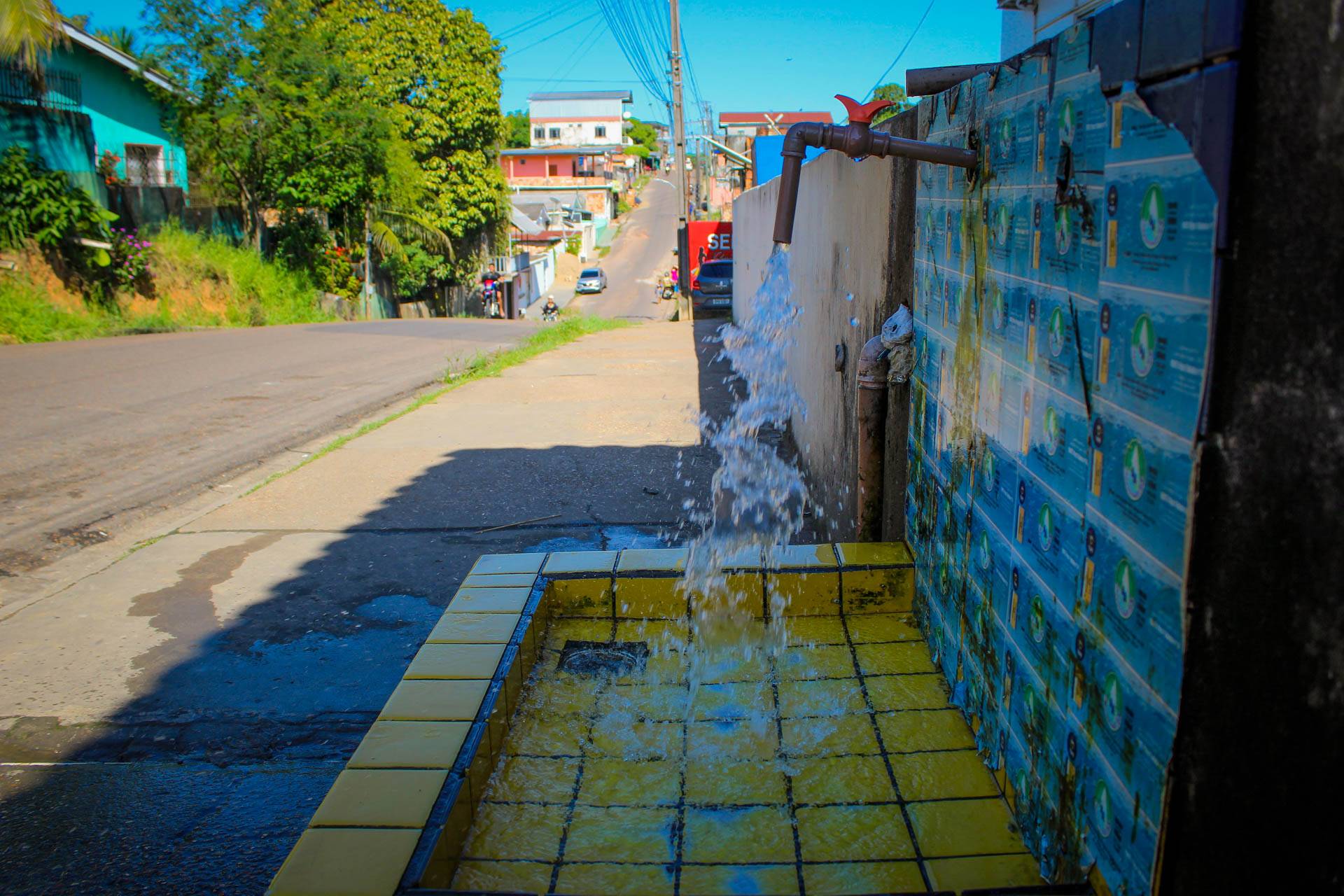
The ‘water lady’
Standing 1.55 m tall, Maria Célia Lopes de Moraes is a farmer, mother of three, and solely responsible for operating the two water pumps that supply 150 families in District 19 of the Agrovila community.
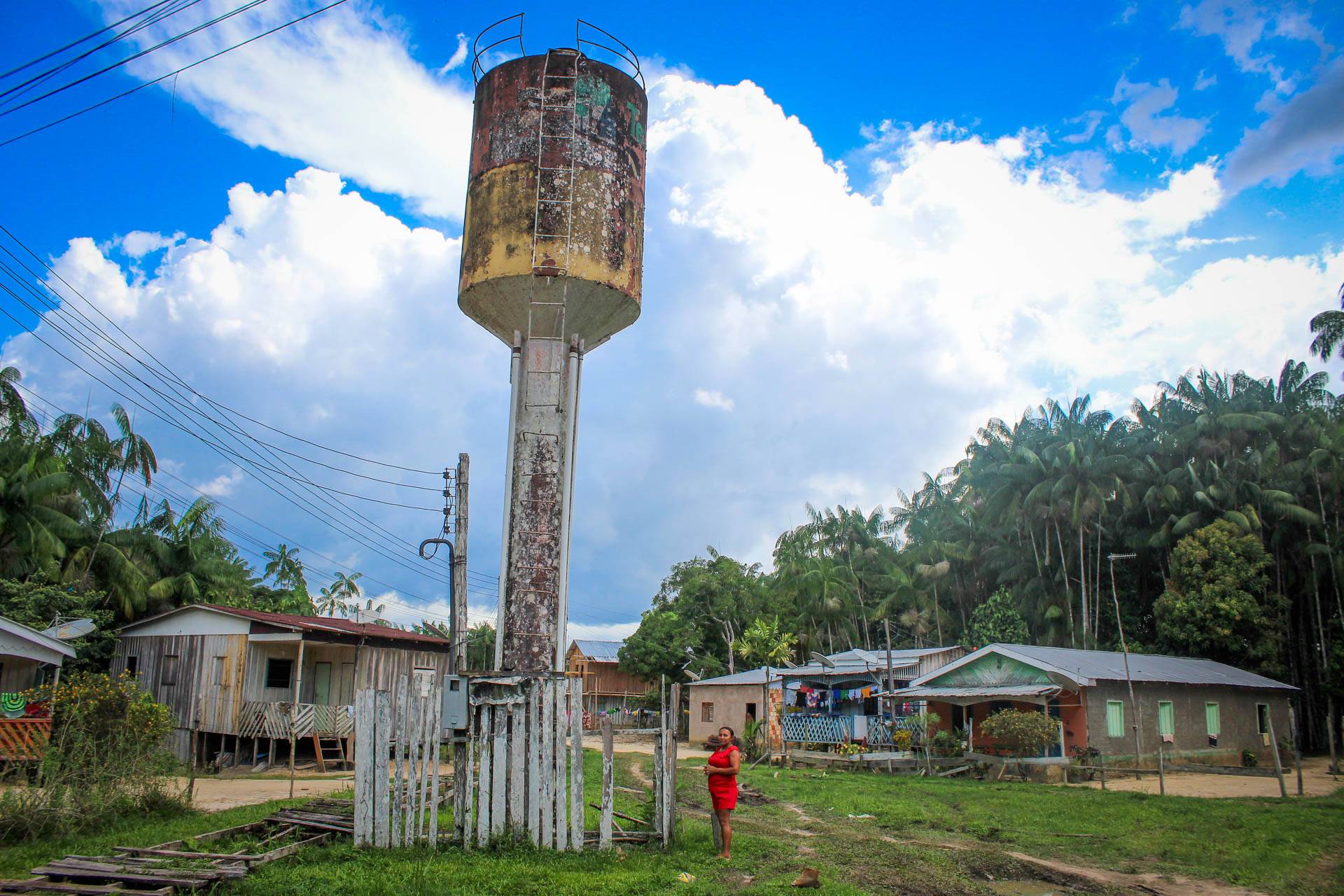
Every morning follows the same script: Célia wakes at 4:00 a.m., walks down Januário Street, and at 5:30 a.m. starts the first pump, which draws and stores water from the Caniço igarapé (forest stream) behind the housing cluster until 8:00. Then the second pump runs until 11:00, ensuring water for residents.
She told reporters that years ago she shared the task with a cousin, now on maternity leave. Asked what would happen if she fell ill and a device or household line failed, she replied: “I’ll drag myself there. I’m the kind of person who likes to do favors for everyone. But I don’t like to ask anyone for favors,” she said, with a shy smile.
Today, at least, Célia is paid for the work by Tefé’s SAAE (Serviço Autônomo de Abastecimento de Água e Esgoto — the municipal autonomous water and sewer service). “Now everyone here basically uses water for free. Nobody pays for water,” she says, proudly.
Balancing work, childcare, and supplying an entire community takes a toll—and criticism still comes despite her efforts. “There was no time off. Even going out was hard. We want to go into town, go to our jobs, but couldn’t. There was that worry—leave work and get back in time to turn the water on.
Then people criticize us, right? Some folks you just can’t understand,” Célia laments. “I’ve come home from work and someone says, ‘Célia, there’s no water at my house—can you turn it on for me?’ And I do that little favor, you know?”
Despite the stress, she says things have improved. “It used to be harder. When a pump burned out, we went weeks without water. Thankfully there’s a stream, right? We’d go there and bathe. Now we have the pumps. If something happens in the morning, by afternoon we’ve solved it. If a pipe breaks, I go there myself and splice it,” Célia says.
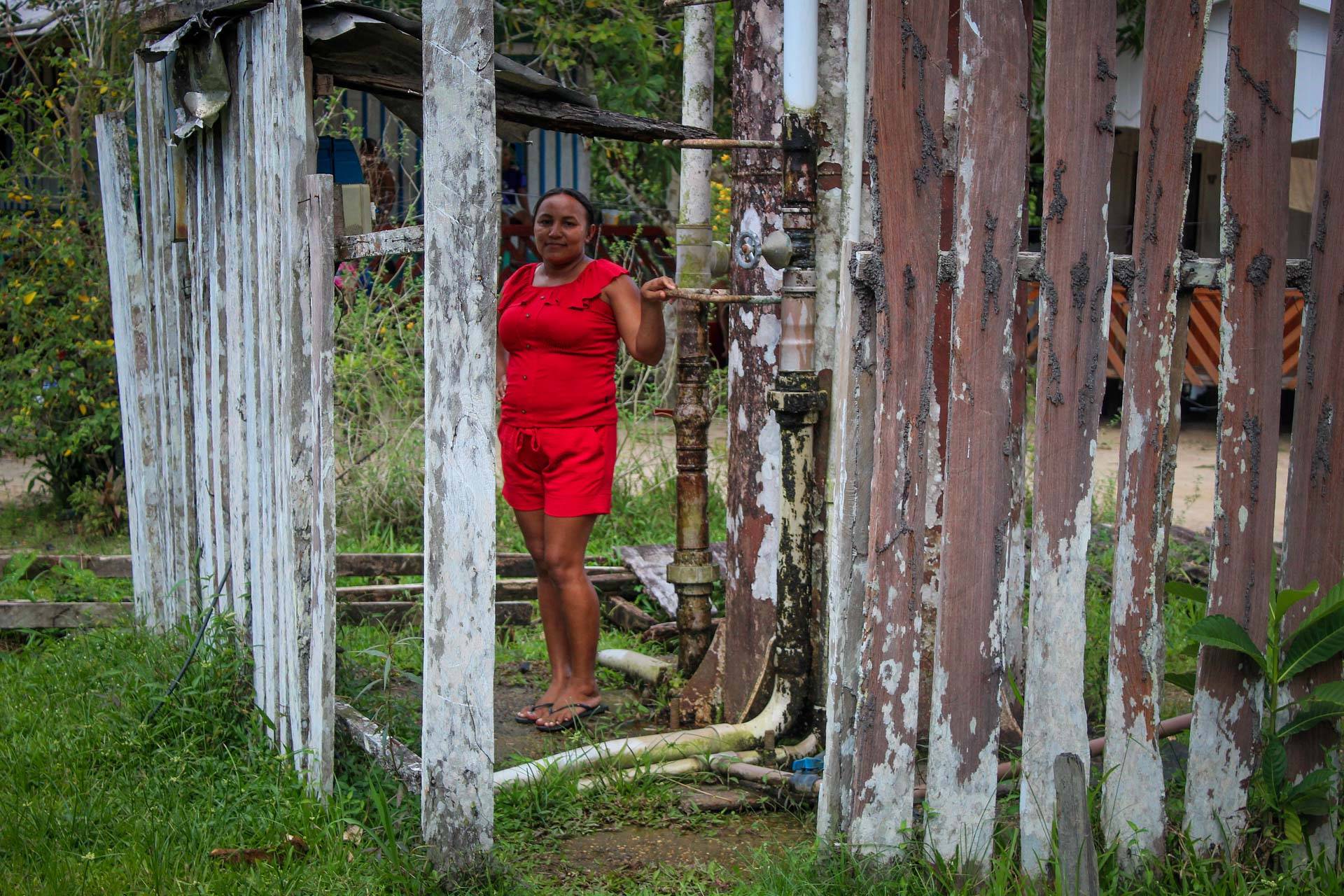
Amid scarcity and poor water quality, desperate efforts have emerged—like the Água Limpa project in Lábrea. The initiative installs filtration pumps that draw water from the Purus River, make it potable, and deliver it to distribution points in town and in outlying communities. It began in 2024, during the second year of the worst drought ever recorded in the Amazonas, when people across urban and rural areas started complaining about water quality.
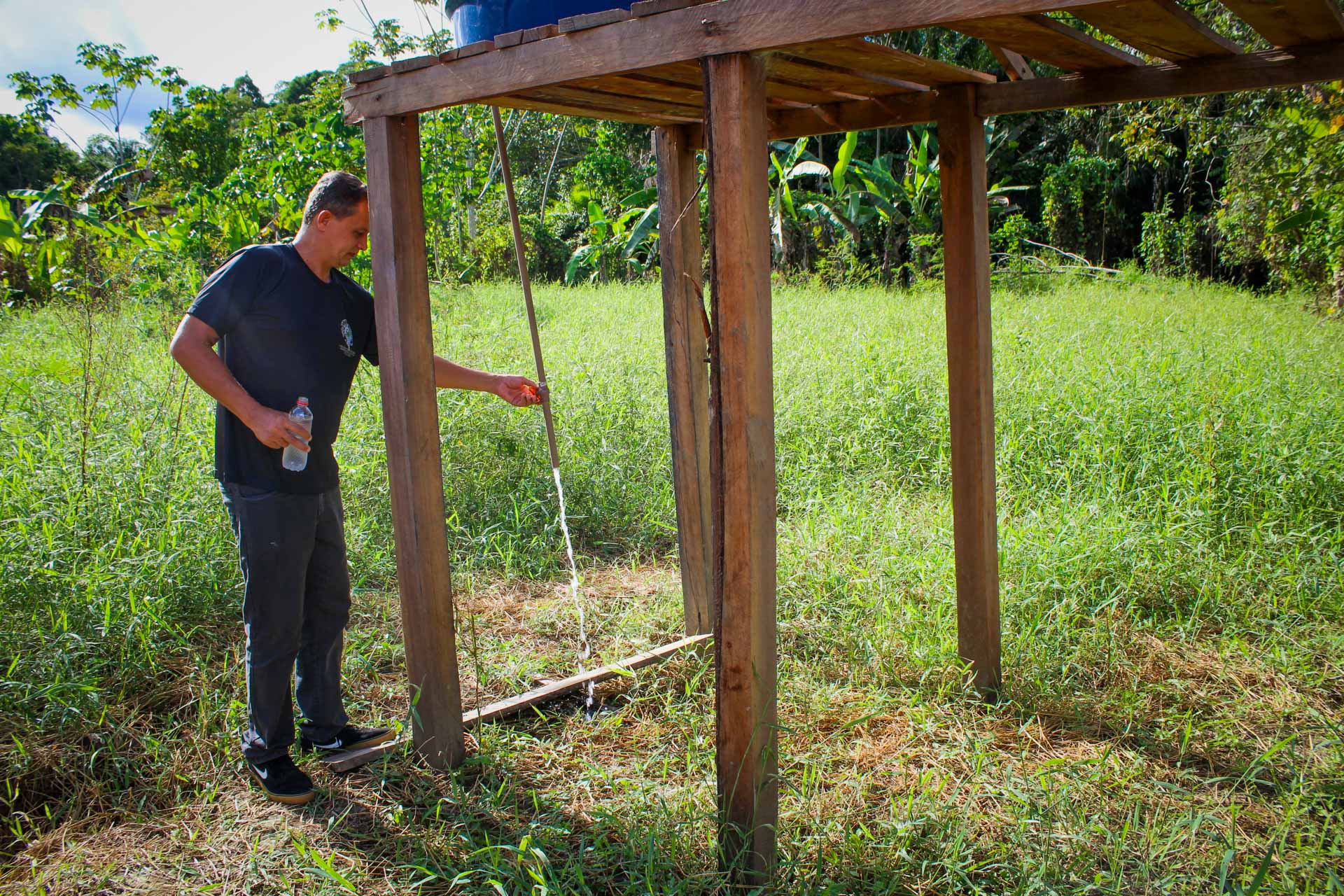
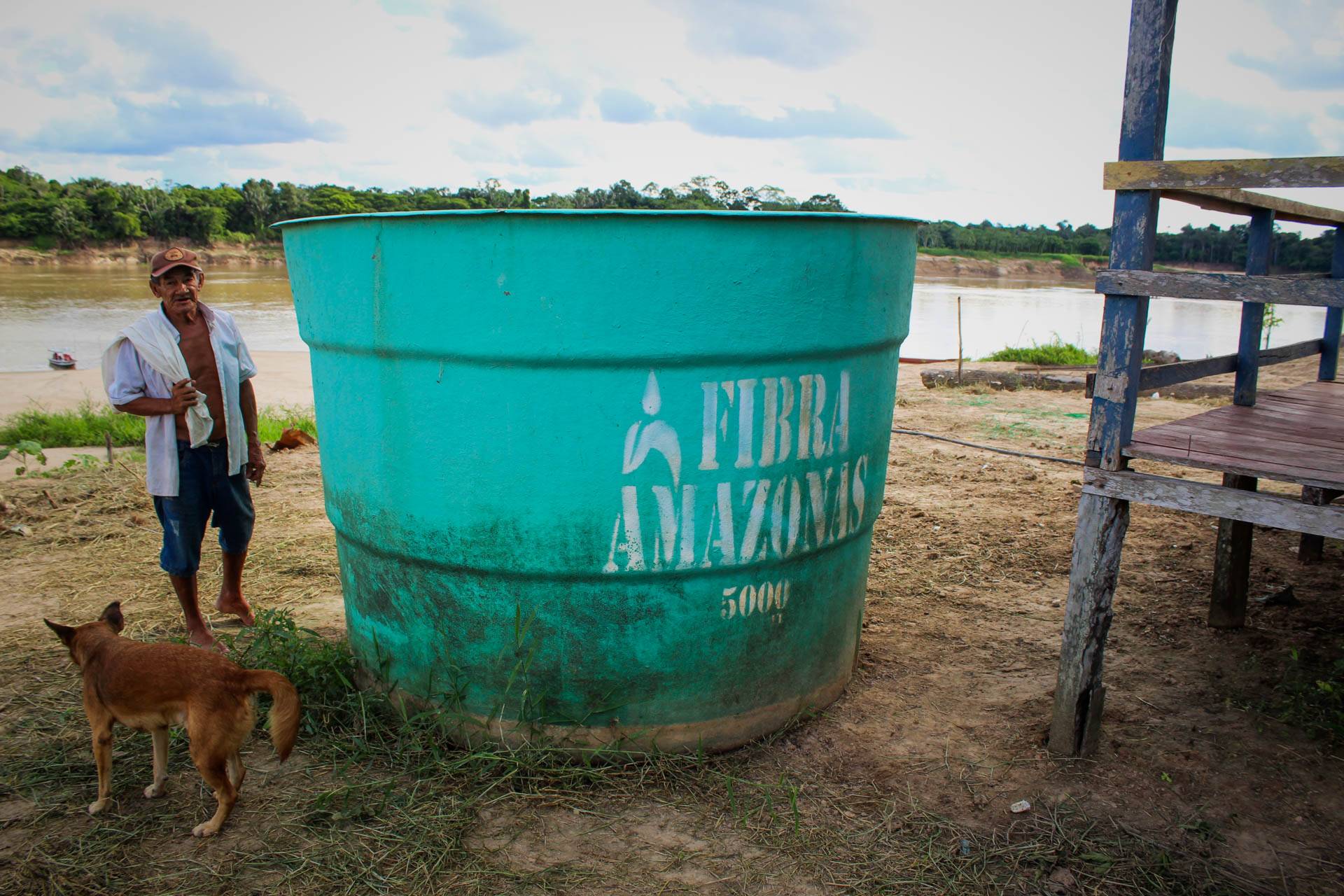
“The well draws water from SAAE (Serviço Autônomo de Abastecimento de Água e Esgoto—the municipal autonomous water and sewer service), and it’s very polluted—muddy. So it’s totally unfit for use. And for those with private wells, as the river rises and falls the water changes and gets very muddy in many places.
In some areas it’s dirty, muddy, and tastes of rust, in both the rainy and dry seasons. So I set up a project called Água Limpa to help these communities somehow,” says Carlos Prado, the project’s creator.
“We know there should really be proper treatment by CEAM (the local water utility), which supplies the water, but that would be harder. So I created this project to try to build partnerships and find a fix in certain communities,” he explains.
Alvarães
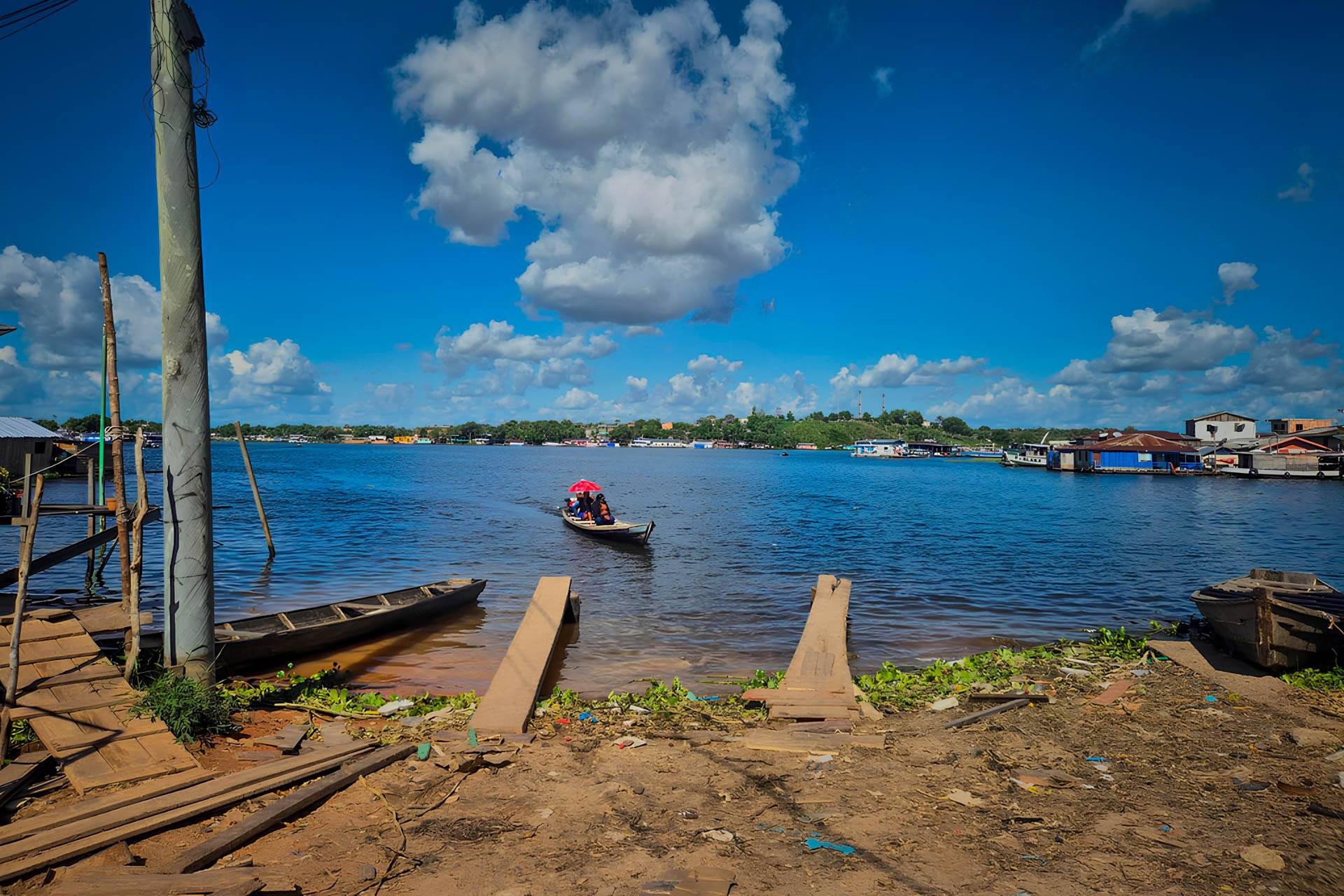
Separated from Tefé by a 15-minute boat ride across Lake Tefé, the town of Alvarães — 530 km from Manaus — faced an unexpected problem during the 2023 and 2024 droughts that disrupted local water distribution: electricity. Supplied by 66-meter-deep wells, Alvarães saw the drought lower water levels, forcing local authorities to sink the pumps even deeper through extended piping.
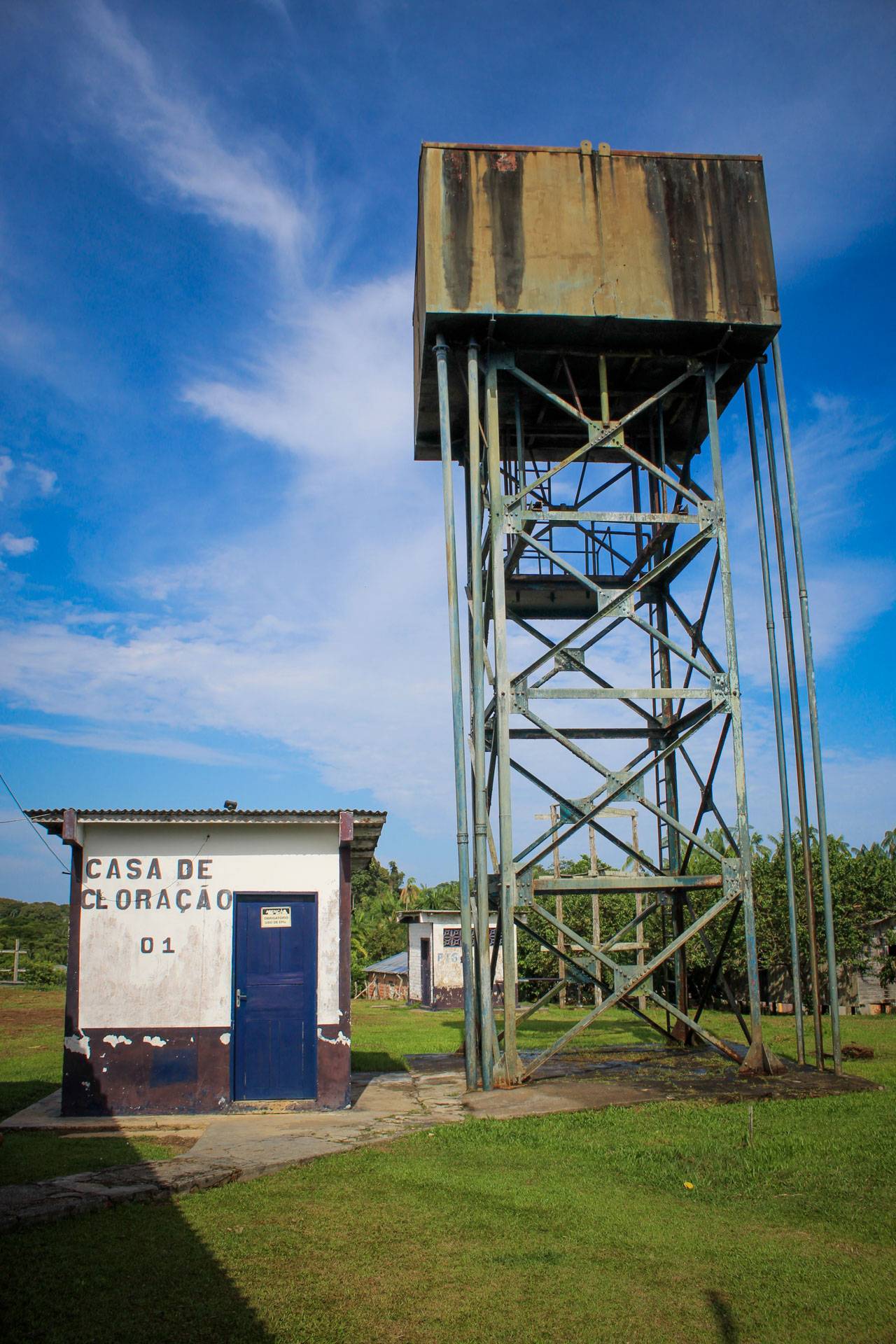
Only 30% of the town is covered by Cosama (Companhia de Saneamento do Amazonas—the Amazonas State Water and Sanitation Company); the rest is managed by the municipal government. According to the company, distribution isn’t direct to homes and takes about three hours. First, water is pumped from the wells into storage tanks at strategic points across town. Once full, the water is released and treated. For treatment, Cosama uses only calcium hypochlorite (Ca(OCl)₂).
Another issue affecting supply was waste. Due to poor maintenance and over forty years of use, the old reservoir had become severely deteriorated, causing extensive leaks before water reached homes. “We used to fill the reservoir in four hours and twenty minutes. After maintenance [and fixing the leaks], it now fills in two hours and forty,” explains Cosama agent Janilce do Nascimento Ribeiro. “When filling took longer — from two and a half to four hours—it reduced distribution time,” she adds.
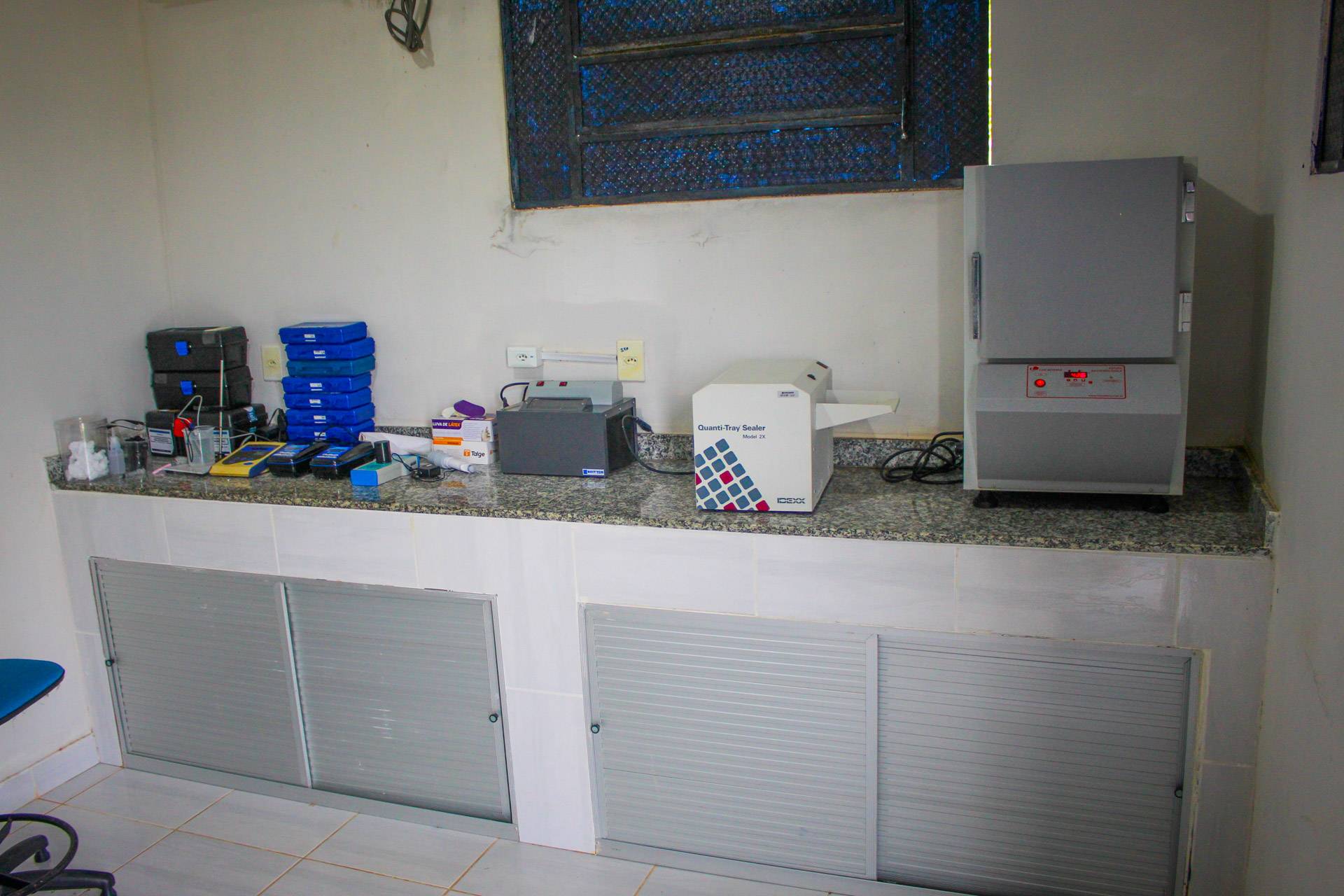
Reporters also visited Alvarães’ water-testing laboratory. Though well equipped, testing isn’t consistent. “We can’t do it daily because of logistics, but whenever it’s requested, we run the tests,” says Janilce.
During the dry season, the pumps that support water supply frequently burn out. As water levels drop, the pump intakes hit the ground, overheating and breaking. Frequent power outages—sometimes caused by grid overheating—worsen the problem. “With the drought, electricity also becomes unstable. So we have to keep backup pumps, so that when one burns out, we can replace it right away,” she explains.
Because it takes about two hours to fill the tanks that redistribute water to neighborhoods, any power outage halts the entire process. Since the municipal government’s electrical system — responsible for 70% of the town — faces recurring failures, water shortages are frequent in Alvarães. “Some of the pumps they [the municipal staff] install last only a week,” says Janilce do Nascimento Ribeiro.
These problems occur even in normal times. During the 2023–2024 drought, however, the situation reached critical levels. The Solimões River and Lake Tefé dried up so severely that fuel shipments to the region were cut off. It’s worth noting that 70% of Amazonas state’s electricity—including in Alvarães—comes from thermoelectric plants.
This crisis hit both water levels and electricity supply, which in turn disrupted water distribution. “Both Tefé and Alvarães had to ration water. Without power, there’s no way to pump it. In Tefé it was worse. Here, boats still managed to bring fuel. In Tefé, they didn’t. At times, they had to bring fuel by canoe. It was very hard. We suffer a lot during that period,” recalls Manoel da Rocha Araújo, Cosama’s administrative assistant in Alvarães (Cosama is the Amazonas State Water and Sanitation Company).
After two consecutive years of severe drought, Cosama workers fear future events could worsen conditions even more. “During the dry season, the pumps reach their lowest point—64 meters down. If it gets worse, we’ll have to ration water until the river recovers,” warns Janilce.
Tabatinga
In Tabatinga, water service began in the mid-1960s with improvised Army systems that drew from “igarapés” (forest streams) and used slow sand filters without disinfection. Only in the 1970s did responsibility shift to Cosama (Companhia de Saneamento do Amazonas—the Amazonas State Water and Sanitation Company), but rapid, disorderly growth kept coverage low and losses high.
A health study on the tri-border region (Brazil – Colombia – Peru) by researchers from the Oswaldo Cruz Institute and the Oswaldo Cruz Foundation (Fiocruz) found that, in the early 2010s, only 40.8% of Tabatinga households had access to the water network and just 24% had piped water at home.
Indigenous communities are hit hardest. “We live here and need drinking water. Since April, the water hasn’t been good. When it comes, it’s dirty because there’s a dump near Tabatinga that contaminates the Solimões River. All the indigenous families in our village have already been affected by malaria, fever, and other illnesses. It’s a health problem caused by dirty water,” says Jeck Araújo Filho, from the Umariaçu-1 village of the Tikuna people in Alto Solimões.
A climate crisis along the way
The water crisis in Amazonas is deepened by the global climate crisis. Extreme events like the 2023 and 2024 droughts are squeezing access to drinking water. “Regardless of the source — groundwater, river water, or rainwater — it’s all being impacted by drought,” says Maria Cecília Rosinski Gomes, PhD in Environment, Sanitation, and Water Resources from the Federal University of Minas Gerais (UFMG).
She notes that in places like Lábrea and Alvarães, “severe droughts often push water far from intake points. That requires longer pipes and more powerful pumps… the river had retreated 100, 200, even 300 meters from the original intake.”
Reports from the UN Intergovernmental Panel on Climate Change (IPCC) say warming is making droughts more frequent and intense—drying forests, raising fire risk, and cutting water availability. Deforestation worsens this: fewer trees mean less evapotranspiration, fewer clouds and rain, longer dry seasons, and higher local temperatures.
“One of the most serious effects of climate change is the disruption of the hydrological cycle, especially in the Amazon,” says Paulo Artaxo, a member of the Brazilian Academy of Sciences and the IPCC, and co-recipient of the 2007 Nobel Peace Prize.
“Many communities were completely isolated during the 2023 and 2024 droughts, without clean water, food, or medicine.” He adds: “The reduced flow in major Amazon rivers during extreme droughts lowers water quality.
In Lake Mamirauá, for example, water temperatures exceeded 40°C during the 2023 drought, killing hundreds of dolphins near Tefé.” The Rio Negro’s dark waters “absorb huge amounts of solar radiation… with less rain, the water heats up, oxygen levels drop, and fish and other animals can’t survive… It’s one of the harmful effects of climate change on Amazon river water quality.”
Floods pose different risks. “During the high-water season, availability isn’t the problem—it’s often beneath riverside homes. The issue is quality, as floodwaters mix with sewage and other contaminants,” says Leonardo Capeleto de Andrade, a postdoctoral researcher at the University of São Paulo’s Institute of Geosciences (IGc). As rivers recede, families carry buckets long distances.
“Unlike floods—which have led residents to build higher stilt houses—homes aren’t adapted to recurring droughts. Over time, some communities may be forced to migrate to less-affected areas,” Capeleto warns.
Missing data, rising uncertainty
The authors stress that data reliability is critical. Discrepancies in municipalities’ self-reports cast doubt on water quality and hinder accurate diagnoses. Without uniform, transparent information, public policy and investment for improved supply are constrained — heightening health risks and undermining the right to safe drinking water.
While 25 cities in the state claim 100% urban coverage, others report under 90%, and some declare average consumption below 100 liters per person per day—an insufficient level. For researchers, these swings reveal not only unequal access but also methodological weaknesses.
A lack of standardization, gaps, and possible reporting errors make it hard to assess the quality of distributed water. Without reliable data, it’s impossible to gauge supply safety or direct effective policy, leaving people exposed to invisible sanitary risks.
Quality is worsening in some cases. During drought, river stretches or entire sources shrink into stagnant pools. “Water quality deteriorates quickly — through fish die-offs, lack of oxygen, or algal blooms,” says Maria Cecília Rosinski Gomes.
Contamination of river waters is intensifying—driven by human and environmental factors — altering the water’s physical, chemical, and biological components.
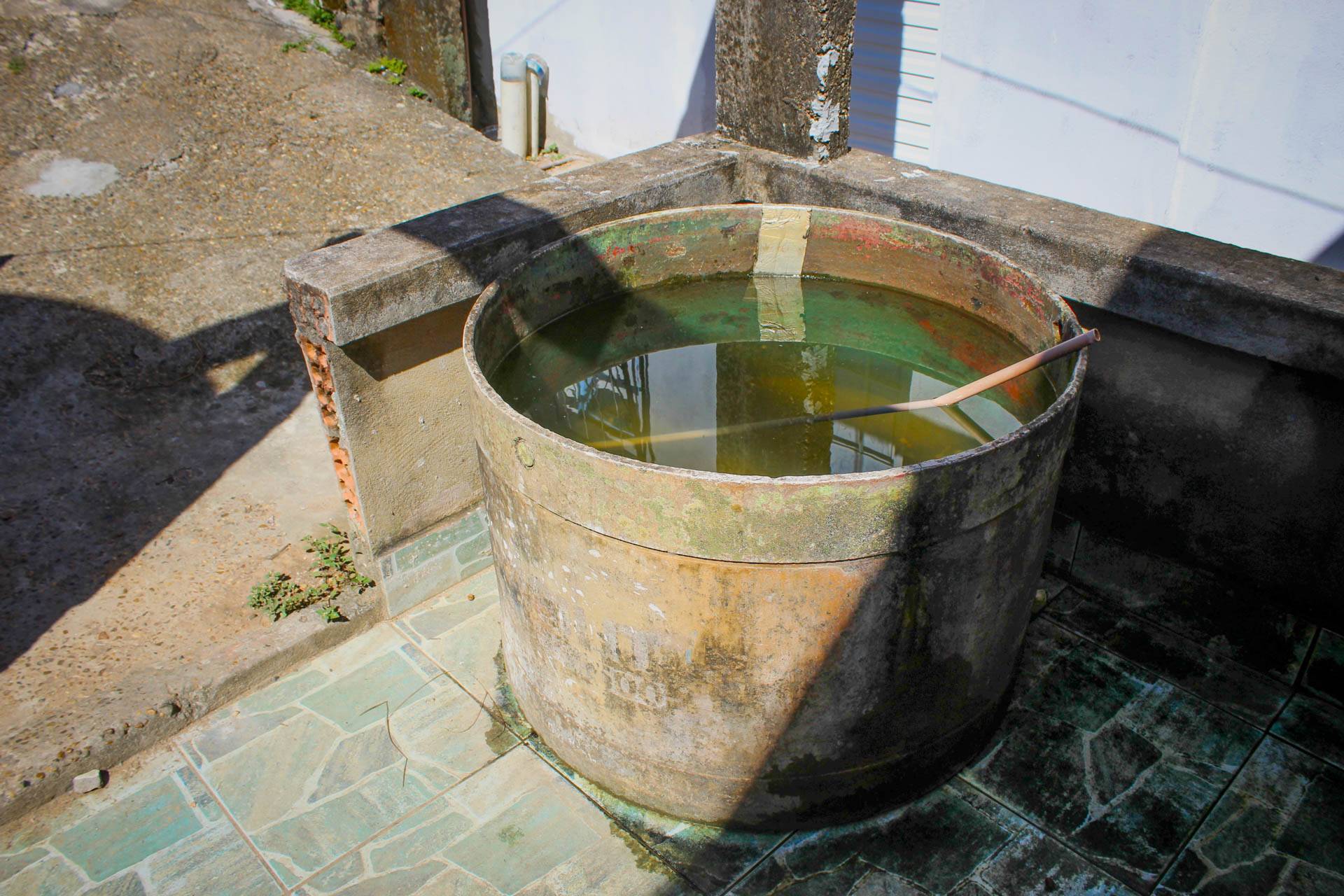
“High river-water temperatures during the dry season destabilize aquatic ecosystems and kill animals — fish and “botos” (Amazon river dolphins) — because of extreme heat and low oxygen in lakes. We’re also seeing new organisms in the region, such as blooms of the microalga Euglena sanguinea, which is potentially toxic to fish and a contaminant of the water,” says Milena Barbosa, a Tefé native who analyzed well-water quality during the drought for the Mamirauá Institute for Sustainable Development (IDSM).
Lack of access to clean, safe water directly harms public health. In dry months, outbreaks of diseases and infections linked to contaminated water—such as diarrhea, especially among children and the elderly—overwhelm regional health systems that aren’t equipped for surges in demand.
What to expect next
If the present is bad, the future looks worse. The IPCC’s 2022 report (UN Intergovernmental Panel on Climate Change) warns that climate change plus deforestation could trigger abrupt shifts — potentially turning the Amazon into a savanna.
“The Amazon must adapt quickly—policies and contingency plans to ensure water, food, and medicine during extreme droughts like 2023 and 2024,” says Paulo Artaxo.
Leonardo Capeleto notes rivers are linked to shallow wells; droughts and floods shift aquifer levels, cutting supply or raising contamination. “Only treated water is potable; river, lake, well, and even rainwater aren’t naturally safe. Treatment and supply infrastructure must adapt,” he says. “The Amazon won’t run out of water, but droughts can make it less accessible.”
Parts of the southern Amazon already act as a carbon source due to forest degradation, the IPCC notes, compounding drought risk and environmental instability. “With a planet 4°C warmer, extreme-event frequency could rise by a factor of 30 and be five times more intense,” Artaxo adds.
Father Sandoval Rocha sees a window at COP30 in Belém (30th UN Climate Conference of the Parties). “If leaders bring universalist fixes that ignore local needs, we won’t reverse climate change. Top-down ‘magic’ solutions don’t work,” he says.
What authorities say
In a statement, Cosama (Companhia de Saneamento do Amazonas) said it runs 50 systems in 44 communities across 15 municipalities, serving about 250,000 people. “In these areas, average urban coverage ranges from 65% to 70%, while in rural zones 30%–35% remain unserved,” it said.
Cosama says it has revitalization/expansion projects submitted to Brazil’s Growth Acceleration Program (PAC), prioritizing Benjamin Constant, Atalaia do Norte, Eirunepé, and São Paulo de Olivença (Alto Solimões). Works in Nova Olinda do Norte (Madeira River), Codajás, and Carauari (Médio Solimões) are being executed by Seinfra (State Infrastructure Department) and will be transferred to Cosama.
It added that Civil Defense is currently providing some coverage inland, with ~700 water purifiers in 54 municipalities.
Testing, the company says, includes physico-chemical, microbiological, and organoleptic analyses; Health Surveillance oversees monitoring, with monthly results posted on www.cosama.am.gov.br
Águas de Manaus said service has been “universalized since 2023 in the capital’s urban area, reaching 99% of the city and more than 2 million people.” It cites an investment plan through 2044 and says it receives no state subsidy to operate in “low-revenue areas.”
It also says that between 2023 and 2024 it invested over R$2 million (US$ 371.000) to adapt to extreme climate scenarios: “The severe drought—when the Rio Negro hit 12.11 meters—did not affect intake or distribution. A task force lowered 13 of 16 intake pumps and installed three amphibious pumps on floating structures to track the river’s drop.”
However, neither the state company nor the municipal concessionaire presented contingency plans for future severe droughts.
This story was produced through the Sala Colaborativa Reporting Grant, promoted by Ajor (Association of Digital Journalism), in partnership with InfoAmazonia and with support from the Serrapilheira Institute. The project aims to strengthen socio-environmental journalism guided by scientific evidence to inform decisions, generate real impact, and strengthen public dialogue on climate and environmental challenges.
-
Fred Santana
Jornalista manauara, criador do Vocativo, site de notícias e reportagens sobre política e meio ambiente. →
-
Aldem Bourscheit
Jornalista cobrindo há mais de duas décadas temas como Conservação da Natureza, Crimes contra a Vida Selvagem, Ciência, Agron... →

Leia também
Between craters and earthquakes, communities struggle against the spread of mining in northeast Brazil
In Bahia state, a local government issued licenses vetoed by its environmental council and without plans for damage mitigation. Meanwhile, the Federal Police investigate illegal green quartz extraction for China →
Brazilian protected areas store 28 years of national carbon dioxide emissions
The estimate links the global agendas of climate and biodiversity conservation →

The secret life of fungi
Present practically everywhere on the planet, in the soil, air, glaciers, volcanoes and even in our bodies, the large family of fungi is a key part of the planet's ecological and climatic balance →