


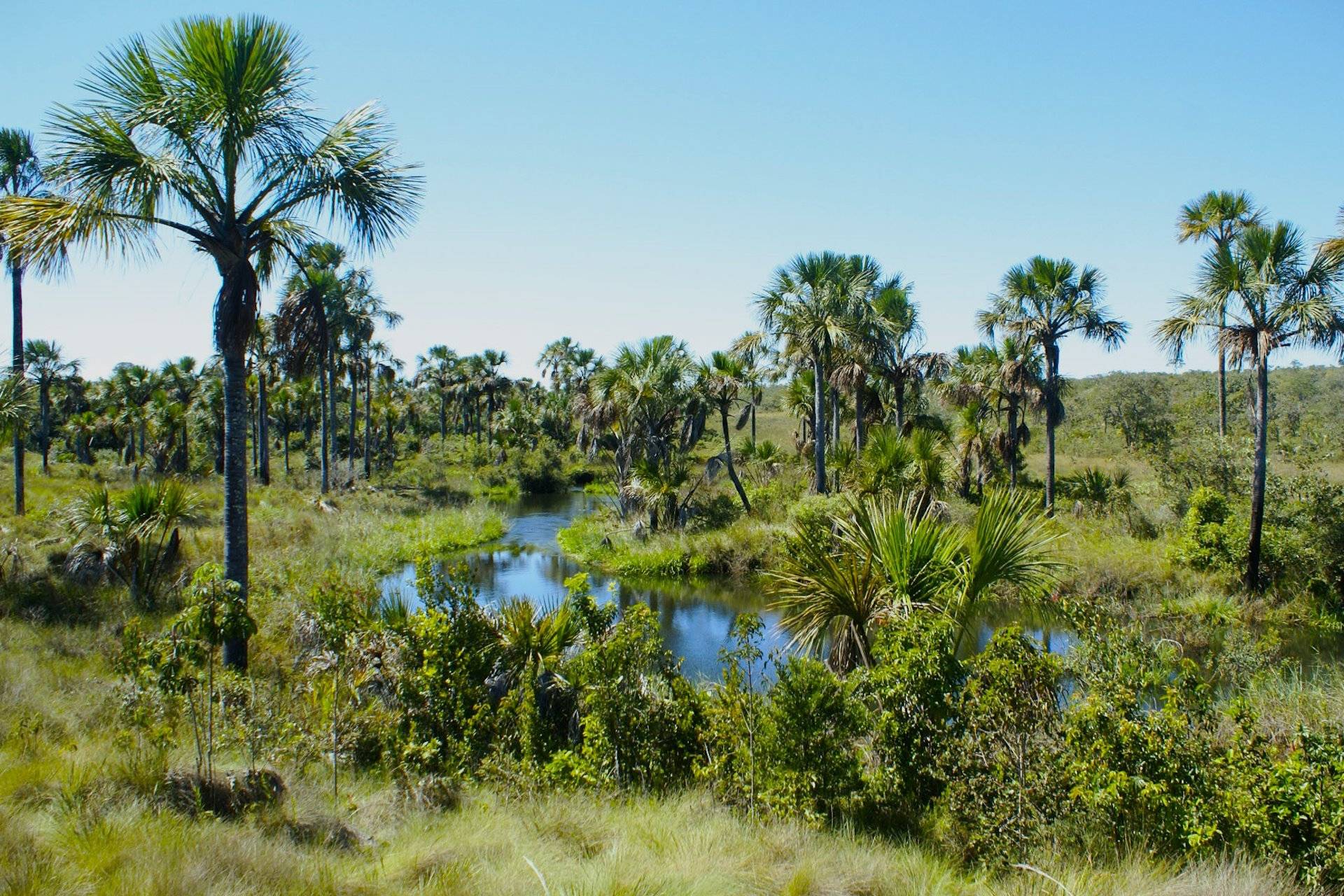
A network of grassroots cooperatives is building on a daily basis an economic alternative to agribusiness that combines income generation with the conservation of three Brazilian biomes: the Cerrado, Caatinga, and Amazon. Today, the Central do Cerrado serves as both a showcase and a commercial branch for thousands of agro-extractive farming families.
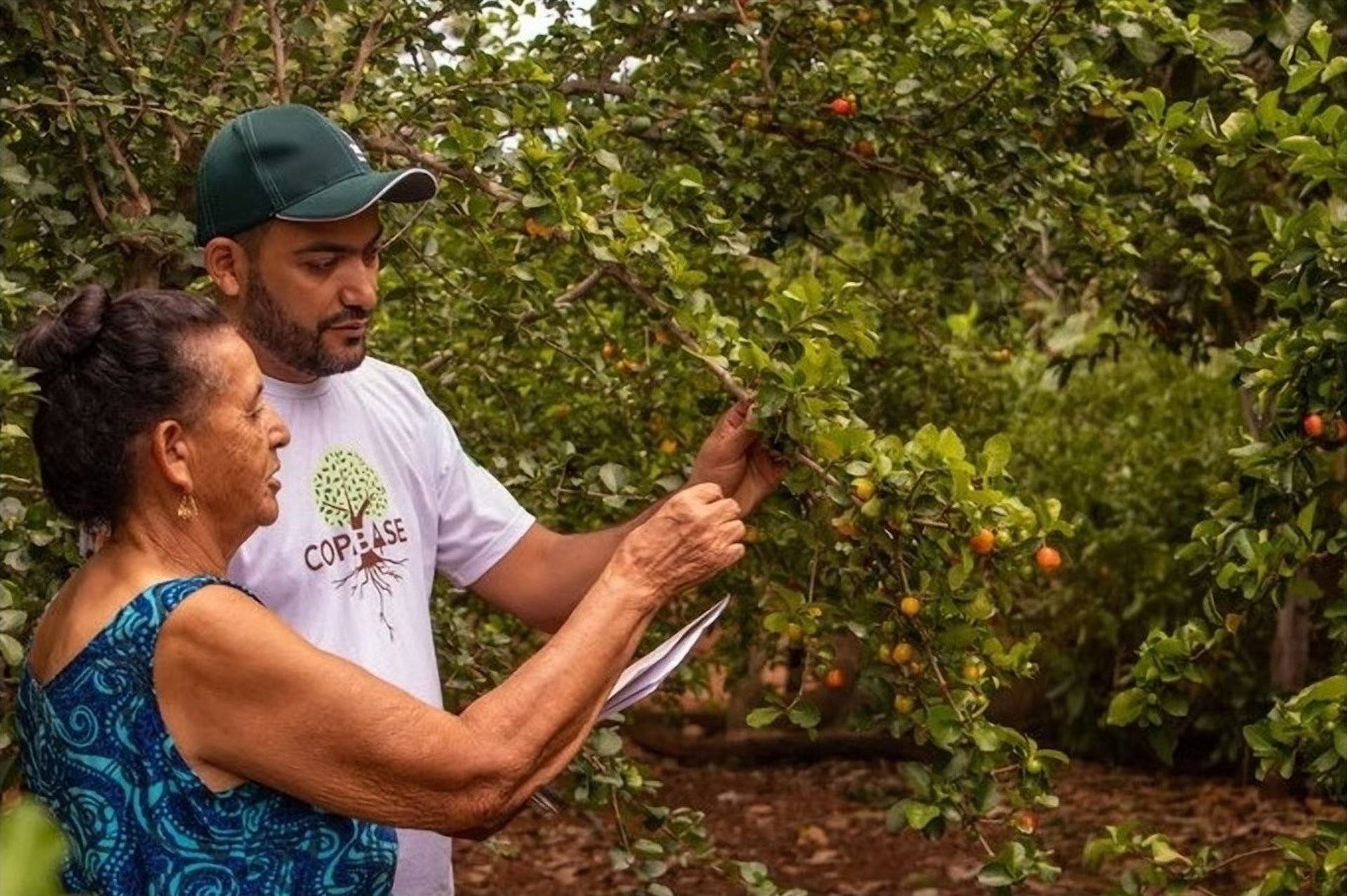
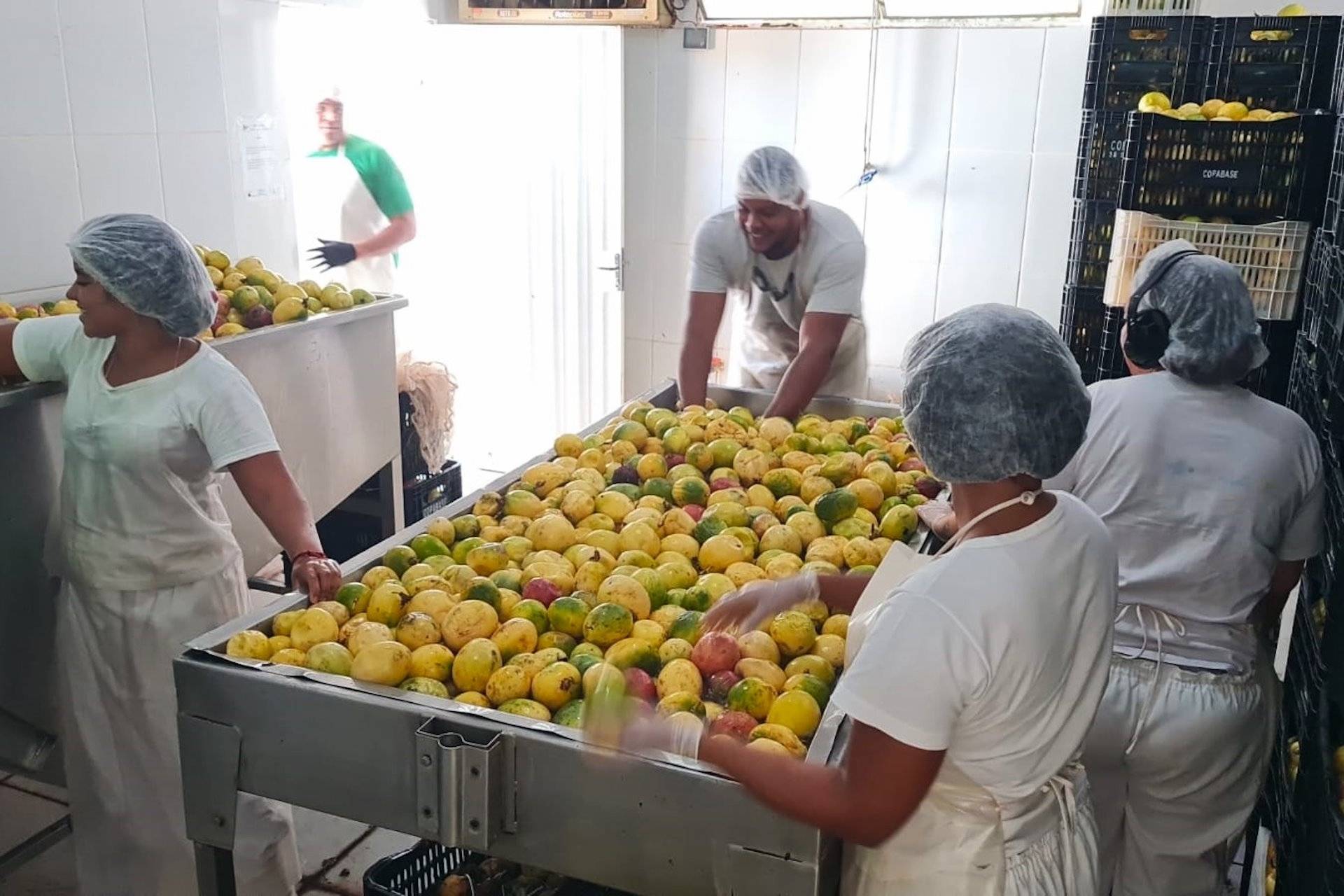
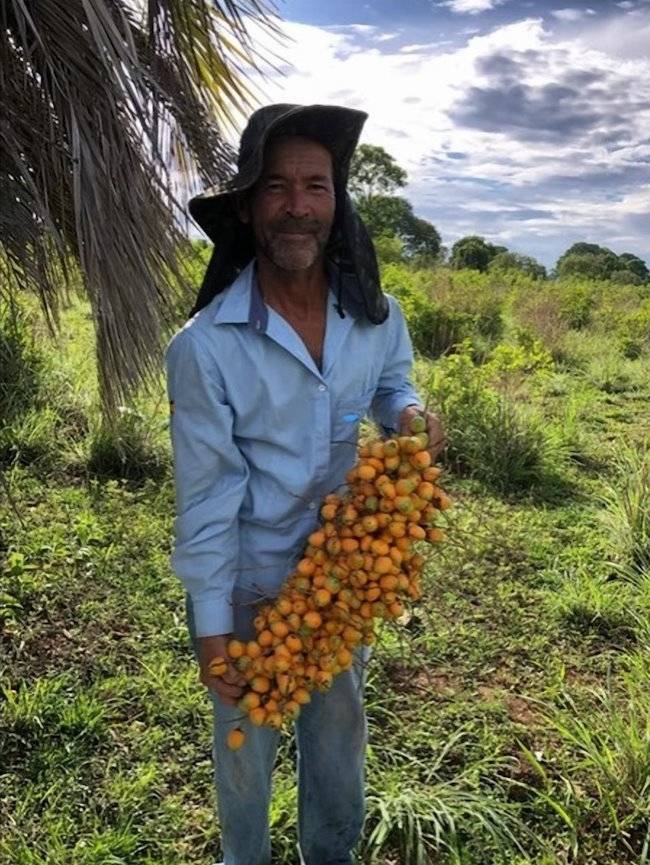
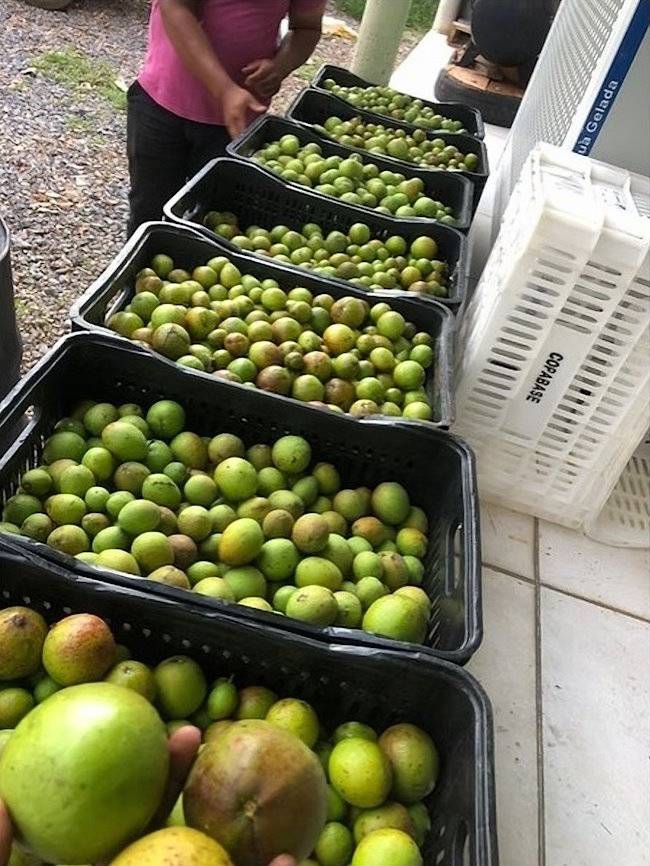
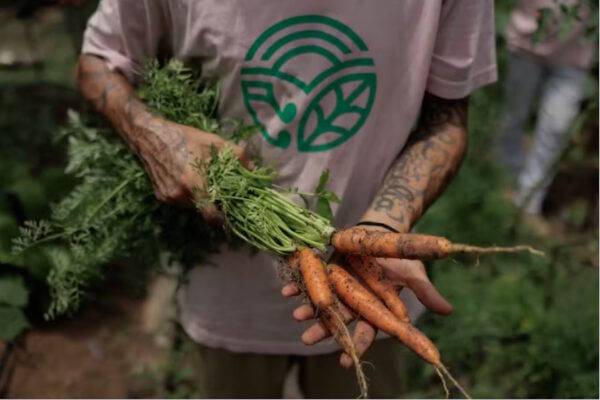
In northwestern of Minas Gerais state, the 160 families linked to the Cooperativa de Agricultura Familiar Sustentável com Base em Economia Solidária (Copabase – Sustainable Family Farming Cooperative Based on Solidarity Economy, in a free translation) produce itens based on brazilian native fruits such as baru nuts, mangaba, araticum, and sour coquinho pulp, as well as guava, acerola, passion fruit, and other fruits grown in their backyards and agroforestry systems.
This is quite different from the rest of the regional landscape dominated by cattle and grain production. “When the cooperative was founded, 18 years ago, we barely knew what irrigation pivots were. Today we are surrounded by them,” says Dionete Barboza, executive coordinator of Copabase, one of the cooperatives affiliated with the Central do Cerrado.
“Families who cannot live with dignity in the countryside sell their land, and another piece of the Cerrado becomes monoculture,” mourns Barboza. “What is left of native vegetation is precisely the areas where traditional communities and settlements are located.”
Dionete comes from a rural family in the Urucuia River Basin, a major tributary of the São Francisco River, one of the main Brazilian rivers. Her father was a pioneer in organized beekeeping in the region. She grew up helping with the activity and eventually became deeply involved in associativism. Today, the cooperative she helps manage is able to sell everything it produces and pays its members upfront.
“There was a time when producers had to wait almost a year to get paid. Now they no longer need to work for others. They work on their own land, buy refrigerators, televisions, some even cars,” she highlights.
From collective learning to business
A milestone in the history of the Central do Cerrado took place in the mid-2000s, in the city of Goiás Velho, in the state of Goiás, in Brazil’s midwest region, during an International Environmental Film and Video Festival (Fica).
It was there that community organizations, supported by the Institute for Society, Population and Nature (ISPN), began to realize that, on their own, they would not be able to access new markets. To do so, they needed to improve their organization and scale, from production to trade.
“‘Seu Zé’, from northern Minas, wanted to open a small shop in Belo Horizonte, but we saw that it wouldn’t cover costs,” recalls Luís Carrazza, executive secretary of the Central. “That’s when it clicked: someone who sells pequi could also sell baru, jam, honey, but there was a missing link between production and consumption.”
The Central became that missing bridge in 2004, but early setbacks brought important lessons. The first salesperson to be hired did not sell anything. Products missed basic requirements, such as nutritional labeling, invoices, and sanitary registration. “People loved the products, but they couldn’t buy them,” Carrazza summarizes.
The turning point came in October of that year, at Terra Madre, a Slow Food gathering in Italy – a global network that advocates for food that is “good, clean, and fair for all”. There, 5,000 from around the world were already telling Brazilian extractivists that what they were doing was at the forefront.
“We heard from Prince Charles [United Kingdom], from Italy’s Carlo Petrini [founder of Slow Food Italy], and from India’s Vandana Shiva [activist for the Slow Food movement] that the future lies in roots, in traditional ways of production,” recalls Carrazza. “That reaffirmed our path.”
Economic diversity
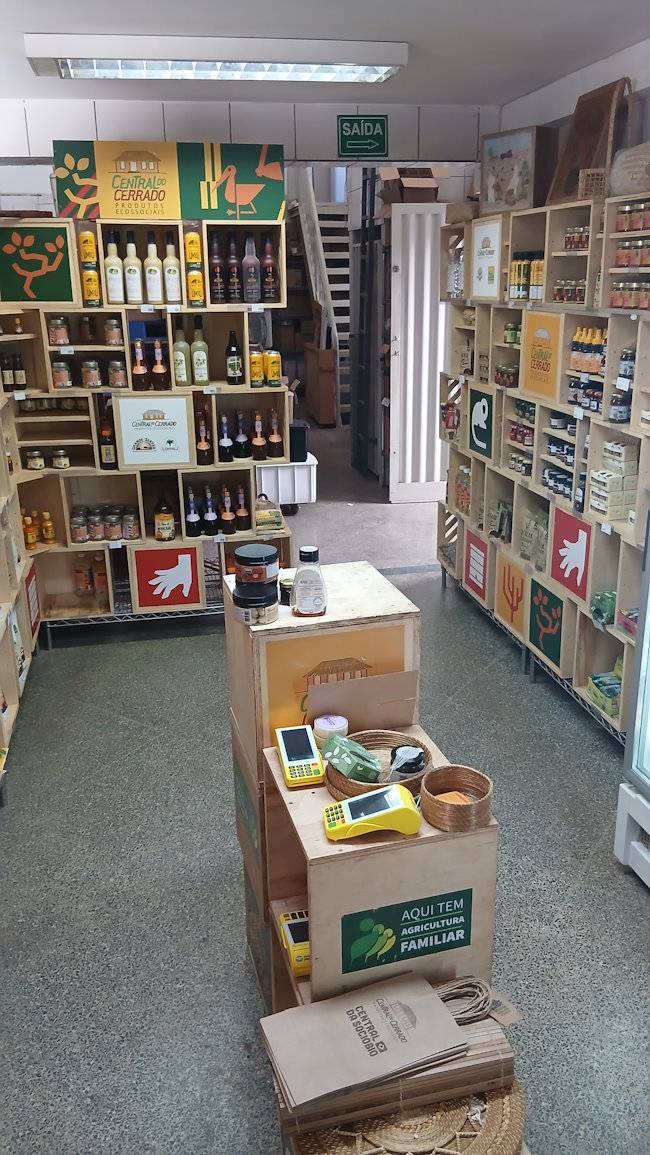
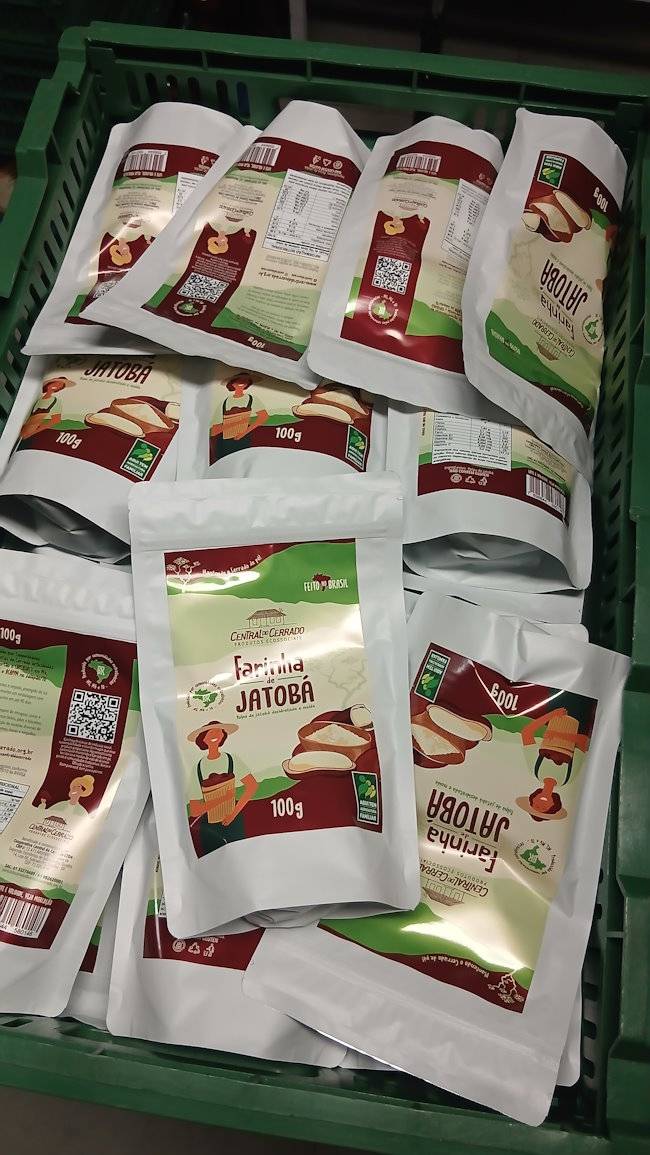
Today, the Central do Cerrado is the main link between production and consumption for thousands of families. The cooperative enables the commercialization of more than 250 products, acting as an “umbrella” that provides structure, scale, and access to markets that would be unreachable for each cooperative acting alone.
Half of the organization’s revenue comes from catering services – snacks and cocktail events that serve as a showcase for products and help promote them to a wider range of audiences. The other half comes from sales to retail, industry, and other channels. Such diversity of buyers brings commercial stability.
The Central sells in supermarkets, restaurants, and fairs, through marketplaces such as Mercado Livre, and also to cosmetic enterprise Natura – which uses babaçu and buriti oils in the confection of its products. Baru is a top seller, reaching everything from school meal programs to European markets.
Last year, during 30th UN Climate Change Conference (COP30), in Belém, Pará state, the Central Cerrado joined forces with the Rede Bragantina to serve more than 90,000 meals featuring sociobiodiversity products to workers and participants of the international event. “We do everything, from small fairs to exports,” Carrazza sums up.
From home-made production to certifications
At Copabase, within the Sertão Veredas-Peruaçu Mosaic (MSVP) – a group of protected areas located between the northern and northwestern regions of Minas Gerais and part of southwestern Bahia –, families combine extractivism with productive backyards and agroforestry systems. These backyards also ensure subsistence crops such as beans, pumpkin, watermelon, okra, and jiló, strengthening food security and reducing expenses.
“When we set up irrigation systems and proper management, people learn that they can achieve better production and quality of life with less effort,” says Dionete.
The cooperative now aims to obtain organic certification for baru and the Fair Trade label. “A consultant visited the families and came back deeply moved. These are farmers who, before the cooperative, never had the opportunity to stay on their land and earn an income. Today, they do,” she highlights.
Shrinking public funding
Despite its undeniable importance, initiatives like the Central’s are still undervalued by public policies. The Plano Safra – Brazil’s main credit policy for food production – still allocates less than 1% of its resources to sociobiodiversity supply chains.
“Banks make it easy for those who want to buy cattle or plant soy. But the complexity of sociobiodiversity products doesn’t fit into a financial spreadsheet,” criticizes Rodrigo Noleto, coordinator of the Community Initiatives Program at ISPN, which supports cooperatives like Copabase.
He notes that in recent years, ISPN has provided working capital to the Central, something banks would not do. “It’s an evil logic: those who produce while conserving biodiversity, water, and climate have no access to credit. Those who clear land for soy do.”
The federal policy guaranteeing minimum prices for sociobiodiversity products (PGPM-Bio) sets a floor, but its implementation is limited. Meanwhile, the national school feeding program (PNAE) requires that 30% of purchases come from family farming, but in practice faces bureaucratic hurdles.
“The policy exists, but the resources don’t reach us,” complains Dionete. “We’ve also never accessed a single cent from technical assistance programs. Through projects and partnerships, we’ve trained the sons and daughters of cooperative members, who now support us in the field. With more resources, we would have more technicians, more production, and more conservation,” says the Copabase manager.
In addition, the way community-based organizations manage and make decisions often differs significantly from the expectations of donors and the market itself, notes Bianca Nakamato, conservation specialist at WWF-Brazil, another supporter of the Central.
“This can affect relationships between parties in a negative way, often preventing the fulfillment and absorption of commercial demands,” she says.
Resisting on the last frontier
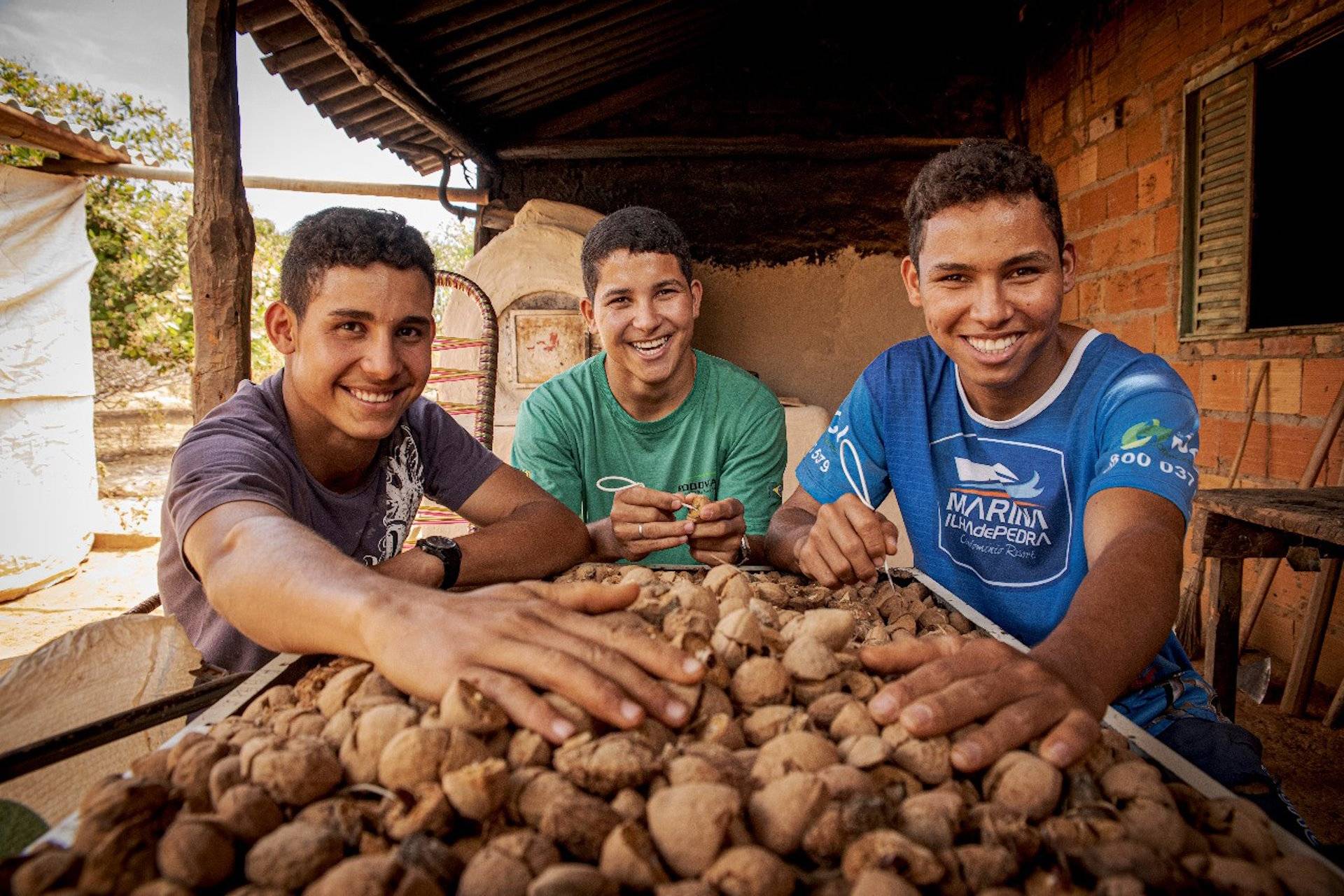
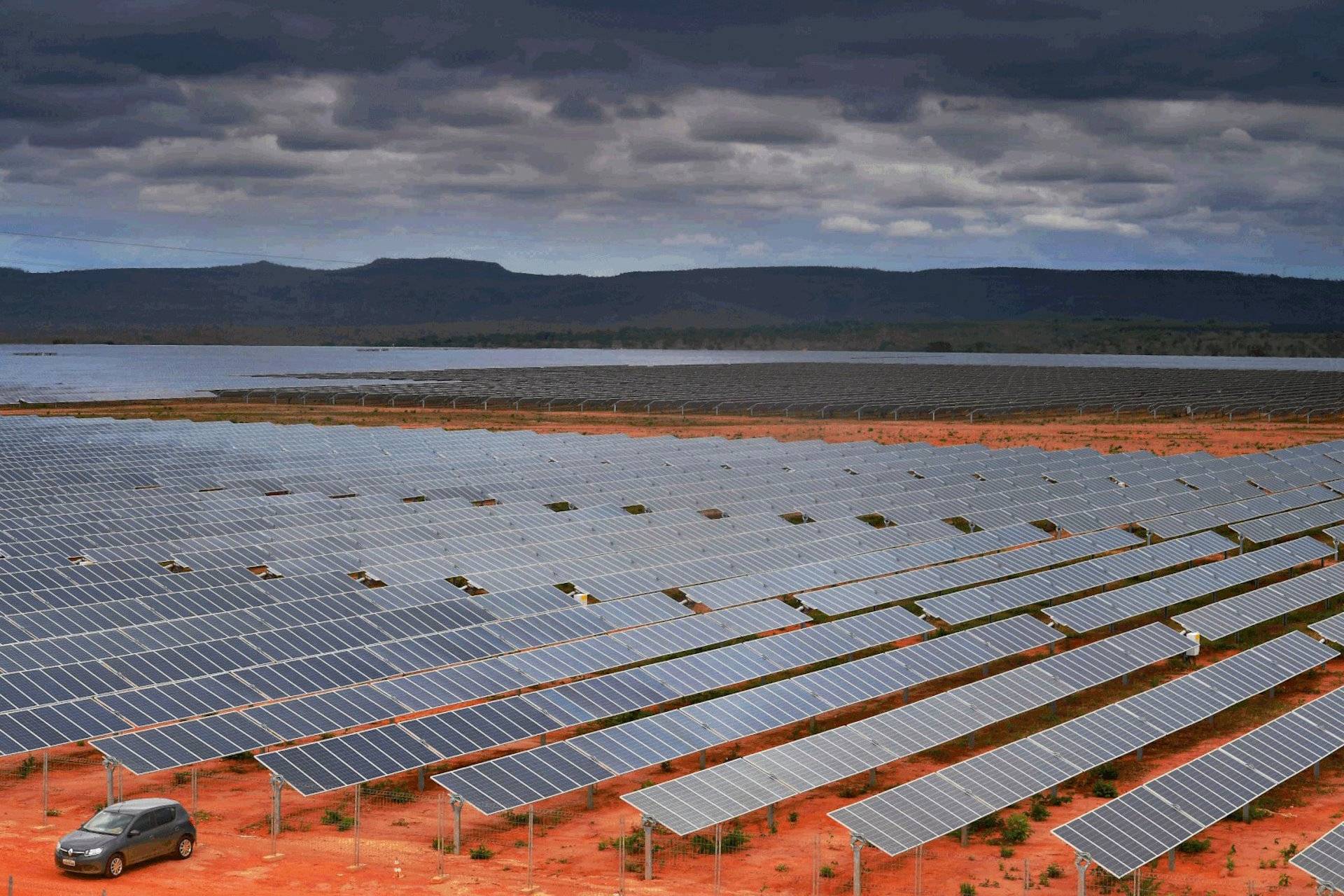
Beyond the expansion of agribusiness, a new threat to communities and natural environments has emerged in recent years: solar farms. “The Minas Gerais government has opened the door for large ‘clean energy’ companies to install thousands of solar panels,” criticizes Dionete.
“They should be placed in degraded areas, but they aren’t. Many hectares of coquinho palms, jatobá, baru, aroeira, and pequi have been cleared to install panels,” she says. “One of the consequences is wildlife imbalance, including macaws desperately searching for food and affecting fruit production,” she explains.
The paradox is even more troubling in light of international agreements. The European regulation on deforestation-free products, for example, ignores savannas. “What’s being cleared in the Cerrado is not forest, it’s savanna,” warns Carrazza. “Europe does not recognize this, it disregards the biome.”
Still, that market is beginning to open up to more Cerrado products. The Central participates in trade fairs in Germany and negotiates with buyers in France, Switzerland, and Italy, where the story behind the products is more valued. “We can’t put all our eggs in one basket,” Dionete notes.
Economic takeoff
Looking ahead, the Central is betting on further diversification and professionalization, while demanding greater recognition and support. “We could access Payments for Environmental Services,” says Dionete. “In addition to producing, we conserve springs, restore wetlands, and keep the Cerrado standing.”
Bianca, in turn, emphasizes that income generation from sociobiodiversity is key to conservation at scale and to strengthen the climate and economic resilience of Indigenous peoples and traditional communities.
“The Central is able to absorb a vast diversity of products and direct them to markets. In practice, this keeps people in their territories, managing resources sustainably and acting as guardians of the biomes,” she says.
Carrazza dreams of a future where the Central can stand on its own, without relying on external projects. “Until then, we keep going,” he says. “What we do in terms of production numbers doesn’t shake agribusiness. But when it comes to experience, showing alternative pathways, we are a reference.”
“We start from the premise that if you don’t value nature and create economic alternatives from it, the landscape will be swallowed by monoculture, mining, or pasture. It’s also an opportunity for young people, so they don’t leave the countryside enchanted by what they see on WhatsApp,” he adds.
Amid the advance of exclusionary economic models, the Central do Cerrado continues building alternatives that begin in backyards, pass through local markets, reach store shelves, and arrive in global markets, weaving a future in which communities, territories, and biodiversity remain standing.
This story was originally published in Portuguese. The translation to English was done with the assistance of Artificial Intelligence, with final review by a human. For this story, the review was done by the reporters Vinicius Nunes and Duda Menegassi.
-
Aldem Bourscheit
Jornalista cobrindo há mais de duas décadas temas como Conservação da Natureza, Crimes contra a Vida Selvagem, Ciência, Agron... →
Se o que você acabou de ler foi útil para você, considere apoiar
Produzir jornalismo independente exige tempo, investigação e dedicação — e queremos que esse trabalho continue aberto e acessível para todo mundo.
Por isso criamos a Campanha de Membros: uma forma de leitores que acreditam no nosso trabalho ajudarem a sustentá-lo.
Seu apoio financia novas reportagens, fortalece nossa independência e permite que continuemos publicando informação de interesse público.
Escolha abaixo o valor do seu apoio e faça parte dessa iniciativa.
Leia também
Traditional wisdom and technology help extractivists confront the climate crisis in the State hosting the COP30
Beyond rising temperatures, fishermen also fear potential losses from oil spills originating at the mouth of the Amazon River. →
Government and NGOs secure US$120 million for protected areas with traditional peoples in the Amazon
New phase of program launched 23 years ago will strengthen 60 federal and state-protected areas →
There’s a Good Reason to Pay Attention to Trancoso’s Organic Festival
Some of Brazil’s most celebrated chefs are leading a movement that goes far beyond cuisine →